Introduction
Artificial intelligence continues to reshape healthcare, especially in medical imaging and cardiovascular diagnostics. Recently, Cleveland Clinic partnered with researchers to develop a groundbreaking cardiac MRI artificial intelligence model that achieved an impressive 99% accuracy rate. This innovation could significantly improve how clinicians detect and diagnose heart disease.
As cardiovascular conditions remain one of the leading causes of death worldwide, healthcare organizations are investing heavily in advanced AI technologies. The newly developed AI model demonstrates how machine learning can enhance imaging precision, reduce diagnostic delays, and improve patient outcomes.
Cleveland Clinic’s AI Breakthrough
AI Model Achieves 99% Accuracy
The cardiac MRI AI model co-developed by Cleveland Clinic delivers highly accurate analysis of heart imaging data. Researchers trained the system using large datasets of cardiac MRI scans. As a result, the model can identify abnormalities with remarkable precision.
Traditional cardiac MRI interpretation often requires extensive manual review by experienced radiologists and cardiologists. However, this AI-powered solution streamlines the process. It quickly analyzes scans while maintaining exceptional diagnostic performance.
Moreover, the 99% accuracy benchmark highlights the growing reliability of AI-assisted imaging tools in clinical environments.
Collaboration Drives Innovation
Cleveland Clinic collaborated with technology and research experts to create the advanced AI model. Such partnerships are becoming increasingly important in modern healthcare innovation.
Healthcare organizations now recognize that combining clinical expertise with AI engineering can accelerate medical breakthroughs. Consequently, hospitals and research institutions continue expanding partnerships focused on digital health transformation.
How the Cardiac MRI AI Model Works
AI-Powered Image Analysis
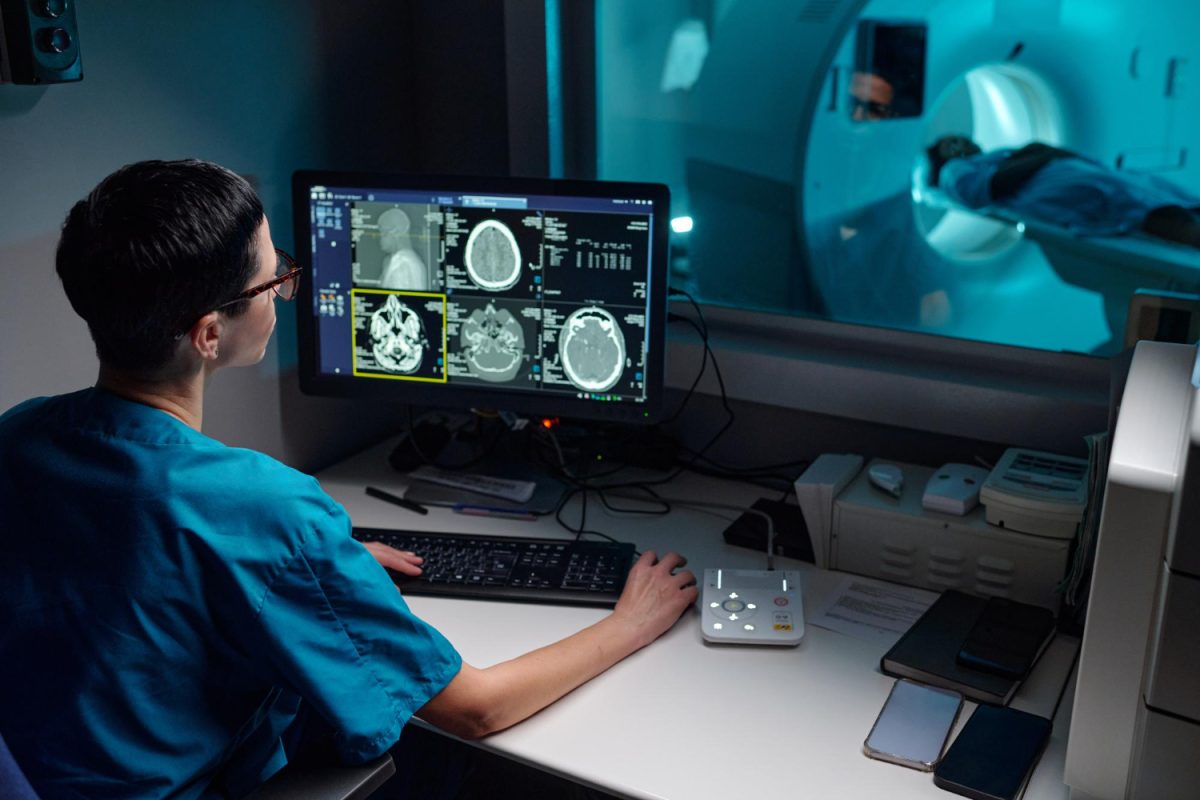
The model uses deep learning algorithms to examine cardiac MRI scans in detail. It evaluates heart structures, detects abnormalities, and identifies patterns linked to cardiovascular disease.
Unlike conventional systems, the AI model processes large amounts of imaging data within seconds. Therefore, clinicians can make faster and more informed decisions.
Improved Diagnostic Efficiency
The system also helps reduce physician workload. Radiologists often spend considerable time reviewing complex scans manually. With AI assistance, specialists can prioritize high-risk cases more effectively.
Additionally, automated image analysis may reduce human error and improve consistency across diagnostic evaluations.
Benefits for Patients and Providers
Faster Diagnosis and Treatment
One major advantage of AI-enhanced cardiac imaging is speed. Patients may receive faster diagnoses, allowing healthcare providers to begin treatment sooner.
Earlier intervention often improves outcomes for patients with cardiovascular disease. Consequently, AI-powered diagnostic tools could play a critical role in preventive cardiology.
Enhanced Clinical Decision-Making
The AI model supports physicians by providing highly accurate imaging interpretations. Although clinicians maintain final decision-making authority, AI offers valuable diagnostic support.
Furthermore, the technology can help healthcare teams detect subtle abnormalities that might otherwise be overlooked.
Potential Cost Savings
AI automation may also lower operational costs for healthcare organizations. Faster scan interpretation can improve workflow efficiency and reduce imaging bottlenecks.
As hospitals face growing patient volumes, scalable AI solutions may help optimize resource utilization while maintaining high-quality care.
Impact on Cardiovascular Diagnostics
Transforming Medical Imaging
Artificial intelligence is rapidly transforming radiology and cardiovascular imaging. AI-driven tools can analyze complex datasets more efficiently than traditional methods alone.
Consequently, healthcare systems are increasingly integrating AI into routine clinical practice. Cardiac MRI analysis represents one of the most promising areas for AI adoption.
Supporting Precision Medicine
The Cleveland Clinic AI initiative also supports precision medicine strategies. By identifying patient-specific cardiac abnormalities more accurately, clinicians can personalize treatment plans.
This targeted approach may improve long-term patient outcomes while reducing unnecessary procedures.
Future of AI in Medical Imaging
Expanding AI Applications
Healthcare leaders expect AI adoption to continue growing across multiple specialties. Beyond cardiac MRI, AI technologies are already assisting with cancer detection, stroke diagnosis, and predictive analytics.
Moreover, ongoing advancements in machine learning could further enhance imaging accuracy and workflow automation.
Balancing Innovation and Oversight
Despite strong results, healthcare organizations must ensure responsible AI implementation. Regulatory oversight, clinical validation, and physician involvement remain essential.
Therefore, experts emphasize the importance of maintaining transparency and patient safety while expanding AI adoption.
Conclusion
The cardiac MRI AI model co-developed by Cleveland Clinic marks a significant advancement in cardiovascular diagnostics. With 99% accuracy, the system demonstrates how artificial intelligence can improve imaging precision, accelerate diagnosis, and support better patient care.
As healthcare organizations continue investing in AI-powered technologies, innovations like this may transform how clinicians detect and manage heart disease. Ultimately, AI-assisted medical imaging could help create a faster, smarter, and more efficient healthcare system.