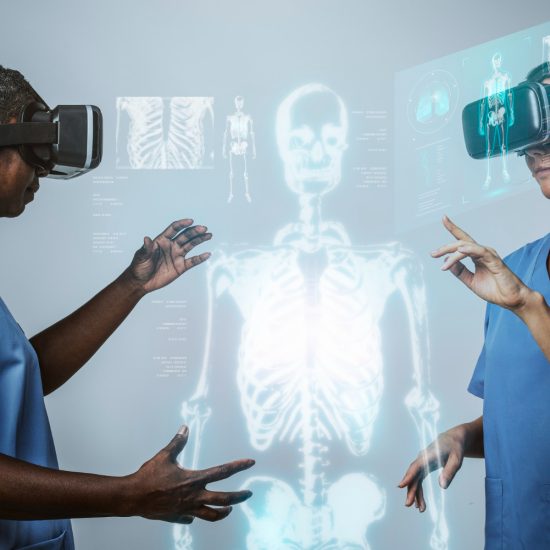
Scientists continue to search for reliable ways to understand aging. Recently, researchers developed “universal” aging clocks that may transform longevity science. These advanced tools measure biological aging instead of relying only on chronological age. As a result, experts can better predict health risks, lifespan, and disease progression.
Researchers believe these aging clocks could improve preventive healthcare. In addition, they may help doctors personalize treatments for age-related diseases. Consequently, the study has sparked global interest among scientists, healthcare providers, and biotechnology companies.
What Are Universal Aging Clocks?
Universal aging clocks are scientific models designed to estimate biological age. Unlike chronological age, biological age reflects how well the body functions internally. Therefore, two people with the same birth year may have very different biological ages.
Scientists build these clocks using biomarkers found in blood, DNA, proteins, and cells. They analyze patterns linked to aging and disease. Moreover, artificial intelligence and machine learning improve the accuracy of these models.
How Biological Age Differs from Chronological Age
Chronological age simply counts the years a person has lived. Biological age, however, measures physical and cellular health. For example, lifestyle habits, stress, diet, sleep quality, and exercise can accelerate or slow biological aging.
As a result, biological age often predicts health outcomes more effectively than chronological age.
How Scientists Measure Biological Aging
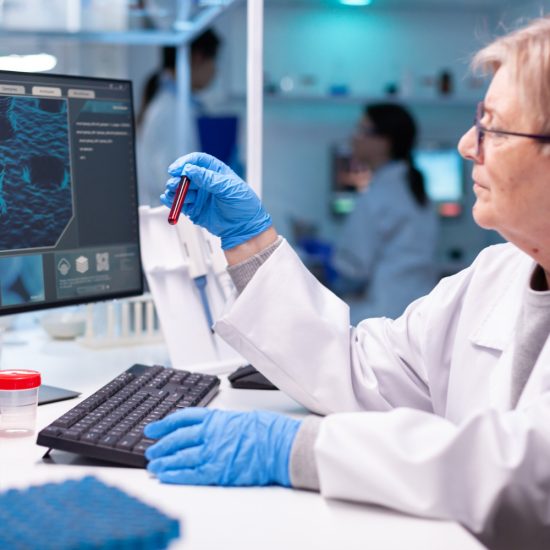
Researchers use several methods to track aging. One common method examines DNA methylation patterns. These patterns change over time and reveal how cells age.
Another approach focuses on proteins and metabolic activity. Scientists also analyze inflammation levels, immune system performance, and cellular repair mechanisms. Furthermore, advanced computational tools combine these signals to create more precise aging models.
Role of Artificial Intelligence in Aging Research
Artificial intelligence plays a major role in longevity science. AI systems can process massive datasets quickly and accurately. Consequently, researchers identify aging trends faster than ever before.
Machine learning also helps scientists discover hidden connections between genetics, lifestyle, and disease risk. Therefore, AI-powered aging clocks continue to improve with every new dataset.
Why Longevity Research Matters
The global population continues to age rapidly. Therefore, healthcare systems face rising costs linked to chronic diseases such as cancer, diabetes, heart disease, and Alzheimer’s disease.
Longevity research aims to extend healthy living years instead of merely increasing lifespan. In other words, scientists want people to remain active and healthy for longer periods.
Potential Benefits for Healthcare
Universal aging clocks may provide several healthcare benefits, including:
- Earlier disease detection
- Personalized treatment plans
- Improved preventive care
- Better monitoring of lifestyle interventions
- Faster drug development for age-related illnesses
Additionally, these tools may help pharmaceutical companies test anti-aging therapies more efficiently.
Key Findings from the Study
The recent study revealed that universal aging clocks work across multiple species and biological systems. This discovery suggests that aging follows certain shared biological processes.
Researchers also found that these clocks can track the effectiveness of medical treatments and lifestyle changes. For example, exercise, improved nutrition, and stress reduction may slow biological aging.
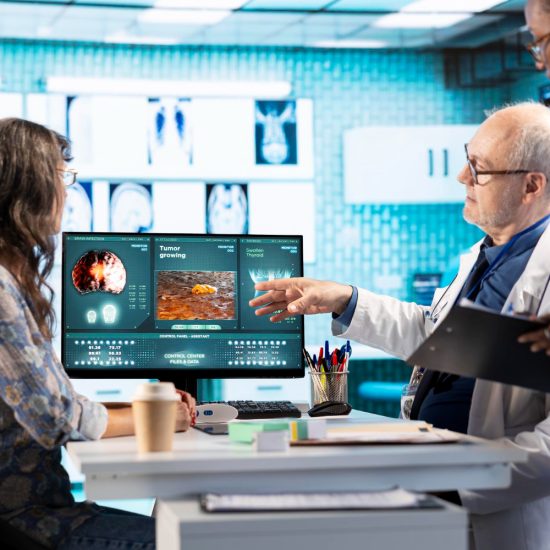
Furthermore, scientists observed strong links between biological age and disease risk. Individuals with accelerated biological aging showed higher chances of developing chronic illnesses earlier in life.
Implications for Personalized Medicine
The study supports the future of personalized medicine. Doctors may soon use aging clocks during routine health screenings. Consequently, patients could receive targeted recommendations based on their biological age instead of general age guidelines.
This approach could improve treatment outcomes and reduce healthcare costs.
The Future of Anti-Aging Science
Scientists continue to explore therapies that may slow or reverse aging. Some researchers focus on cellular repair techniques, while others study genetic reprogramming and regenerative medicine.
At the same time, biotechnology companies invest heavily in longevity research. Therefore, the anti-aging industry may experience significant growth over the next decade.
Emerging Areas of Research
Several promising areas include:
Cellular Rejuvenation
Researchers are studying ways to restore damaged cells and tissues.
Gene Editing
Gene-editing technologies may eventually target age-related cellular decline.
Precision Nutrition
Personalized nutrition plans could support healthier aging patterns.
Drug Development
Scientists are testing compounds designed to reduce inflammation and improve cellular function.
Challenges and Ethical Questions
Although the science looks promising, experts still face important challenges. Aging is highly complex, and no single biomarker explains the entire process.
In addition, ethical concerns continue to grow. Some experts worry that advanced anti-aging therapies may only benefit wealthy populations. Therefore, researchers and policymakers must address accessibility and fairness.
Data privacy also remains a major issue. Since aging clocks rely on personal biological data, organizations must protect sensitive information carefully.
Conclusion
Universal aging clocks represent a major breakthrough in longevity research. These tools provide deeper insights into biological aging and disease risk. Moreover, they may reshape preventive healthcare and personalized medicine in the future.
Although researchers still face scientific and ethical challenges, the potential benefits are enormous. As technology advances, universal aging clocks could help millions of people live healthier and longer lives.