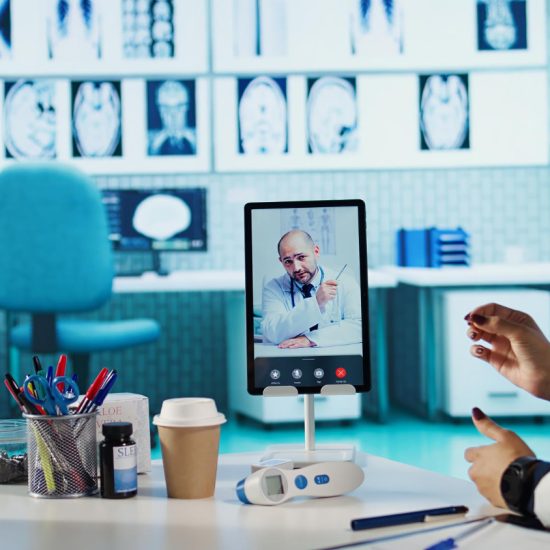
Artificial intelligence is reshaping healthcare operations across the United States. However, many providers still struggle to use AI tools effectively in daily clinical workflows. Optum Health aims to change that trend. The organization is now focusing on practical AI solutions that directly help clinicians save time, reduce burnout, and improve patient care.
Rather than chasing experimental technology, Optum Health is concentrating on real-world applications. The company believes AI should simplify healthcare instead of adding complexity. As healthcare systems face rising administrative burdens, practical AI tools are becoming more important than ever.
Optum Health’s AI Vision
Building AI That Solves Real Problems
Optum Health wants AI systems to support clinicians during everyday tasks. The company is developing tools that reduce repetitive work and improve efficiency. Leaders at Optum believe healthcare professionals should spend more time with patients and less time managing paperwork.
Therefore, the organization is focusing on AI solutions that integrate directly into clinical workflows. These tools help physicians document visits faster, summarize patient information, and streamline administrative processes.
Additionally, Optum emphasizes usability. The company understands that complicated technology often creates frustration among clinicians. As a result, it designs AI systems that are simple, accessible, and practical.
Why Practical AI Matters for Clinicians
Reducing Administrative Burden
Clinicians often spend hours completing documentation and reviewing patient records. This workload contributes to physician burnout across the healthcare industry. AI tools can help reduce that pressure.
For example, AI-powered documentation assistants can generate clinical notes during patient visits. Consequently, physicians can focus more on patient interactions instead of typing into electronic health records.
Moreover, AI systems can summarize large volumes of medical information quickly. This capability helps clinicians make informed decisions faster while improving workflow efficiency.
Improving Clinical Decision-Making
AI also supports clinicians by organizing patient data and highlighting relevant insights. However, Optum Health does not want AI to replace doctors. Instead, the organization sees AI as a supportive tool that enhances clinical judgment.
By presenting useful information at the right moment, AI can improve care coordination and patient outcomes. Furthermore, clinicians can access critical insights without searching through lengthy records.
Key AI Tools Improving Healthcare
AI-Powered Documentation
One major focus area for Optum Health is automated documentation. These tools capture conversations and create structured clinical notes. As a result, providers spend less time on manual data entry.
Predictive Analytics
Predictive analytics tools help identify high-risk patients earlier. Consequently, healthcare teams can intervene sooner and potentially prevent complications.
Workflow Automation
Optum also uses AI to automate repetitive administrative tasks. These include appointment scheduling, claims processing, and patient communication management. Therefore, healthcare organizations can improve operational efficiency while reducing costs.
Challenges in AI Adoption
Clinician Skepticism
Despite growing interest in AI, some healthcare professionals remain cautious. Many clinicians worry about accuracy, reliability, and workflow disruption.
Therefore, Optum Health understands the importance of building trust. The organization knows that successful AI adoption depends on clinician confidence.
Data Privacy and Security
Healthcare organizations must also protect sensitive patient information. AI systems require access to large amounts of medical data, which raises privacy concerns.
As a result, Optum prioritizes compliance, cybersecurity, and responsible AI governance. The company aims to maintain patient trust while expanding AI capabilities.
How Optum Builds Clinician Trust
Human-Centered AI Design
Optum Health develops AI systems with direct clinician input. This collaborative approach ensures the tools solve real operational challenges.
Additionally, the organization tests AI systems carefully before deployment. Clinicians receive training and support to help them adopt new technologies successfully.
Transparency and Reliability
Trust increases when clinicians understand how AI tools function. Therefore, Optum emphasizes transparency in AI recommendations and outputs.
The company also focuses on accuracy and continuous improvement. By refining models over time, Optum aims to deliver reliable performance in clinical environments.
The Future of AI in Healthcare
Expanding AI Across Care Delivery
Healthcare leaders expect AI adoption to grow rapidly over the next several years. Optum Health plans to expand practical AI tools throughout its care network.
Future applications may include personalized treatment recommendations, advanced predictive models, and improved population health management.
Balancing Technology and Human Care
Although AI offers significant advantages, human expertise remains essential in medicine. Optum believes technology should support clinicians rather than replace them.
Therefore, the company continues to focus on balanced innovation. Its strategy combines advanced technology with compassionate patient care.
Conclusion
Optum Health is taking a practical approach to healthcare AI adoption. Instead of pursuing hype-driven innovation, the organization is building tools that directly support clinicians and improve operational efficiency.
By reducing administrative burdens, enhancing workflows, and prioritizing clinician trust, Optum aims to make AI a valuable partner in healthcare delivery. As the industry evolves, practical AI solutions may become essential for improving both provider experiences and patient outcomes.