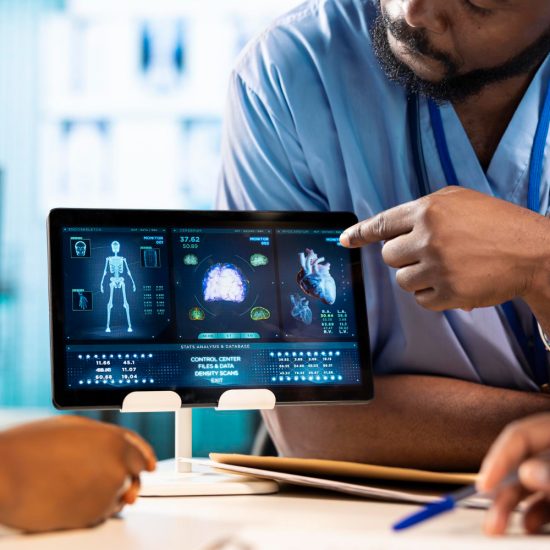
Healthcare organizations often struggle to translate public health initiatives into everyday clinical practice. However, Northwell Health has successfully bridged that gap. By embedding public health objectives directly into its Epic electronic health record (EHR) system, the organization created a workflow that supports preventive care, improves patient outcomes, and strengthens population health management.
As healthcare increasingly shifts toward value-based care, Northwell’s approach offers a practical blueprint for health systems nationwide.
Understanding Northwell’s Public Health Strategy
Public health programs often operate separately from clinical workflows. As a result, healthcare providers may miss opportunities to identify risks, deliver preventive interventions, and address social determinants of health.
Northwell Health recognized this challenge early. Therefore, the organization sought to make public health initiatives a natural part of patient care rather than an additional administrative burden.
By integrating public health priorities into Epic workflows, Northwell ensured that clinicians could act on critical information during routine patient encounters.
How Public Health Goals Became Clinical Workflows
Embedding Preventive Care Into Daily Practice
Instead of relying on separate systems, Northwell incorporated public health prompts directly into Epic. Consequently, clinicians received timely reminders and decision-support tools while treating patients.
These workflow enhancements helped providers:
- Identify at-risk populations
- Track preventive screenings
- Monitor chronic disease management
- Address care gaps
- Improve follow-up compliance
As a result, public health activities became part of standard clinical operations.
Streamlining Provider Decision-Making
Healthcare professionals already face significant documentation requirements. Therefore, Northwell designed workflows that minimized disruption.
Epic automatically surfaced relevant information during patient visits. This approach reduced manual work and improved workflow efficiency. Furthermore, clinicians could access actionable insights without leaving their primary workspace.
Epic as the Foundation for Population Health
Creating a Unified Source of Data
A successful population health strategy depends on accurate and accessible data. Northwell leveraged Epic’s capabilities to aggregate patient information across care settings.
By consolidating data into a single platform, the organization improved visibility into patient populations and care patterns. This integration supported more informed clinical decisions and enhanced care coordination.
Supporting Proactive Care Management
Rather than reacting to health issues after they occur, Northwell focused on prevention.
Epic workflows enabled teams to:
- Identify high-risk patients earlier
- Monitor health trends
- Coordinate outreach efforts
- Improve preventive care compliance
- Reduce avoidable complications
Consequently, care teams could intervene before conditions worsened.
Benefits for Providers and Patients
Improved Clinical Efficiency
When clinicians have access to relevant information at the right time, decision-making becomes faster and more accurate.
Northwell’s Epic integration helped reduce workflow complexity while supporting evidence-based care practices. Additionally, automated prompts minimized the likelihood of missed screenings or follow-up actions.
Better Patient Outcomes
Patients benefited from a more coordinated care experience.
Because providers could easily identify care gaps, they were able to deliver timely interventions. Furthermore, preventive services became more consistent across patient populations.
This proactive approach supports healthier communities and better long-term outcomes.
Data Analytics Drive Better Population Health
Measuring Impact Across Communities
Data plays a central role in modern healthcare transformation.
Northwell uses aggregated information to identify trends, evaluate program effectiveness, and allocate resources where they are needed most. Unified datasets also improve quality measurement and population health reporting.
Closing Care Gaps Faster
Advanced analytics help healthcare leaders pinpoint areas requiring attention. Consequently, teams can focus resources on high-priority populations and improve performance metrics more effectively.
This data-driven strategy strengthens both operational efficiency and patient care.
Key Challenges and Lessons Learned
While the initiative delivered significant benefits, implementation required careful planning.
Healthcare organizations considering a similar approach should focus on:
Stakeholder Engagement
Successful workflow changes require collaboration among clinicians, IT teams, and leadership.
Change Management
Training and communication are essential. Staff members must understand both the purpose and the benefits of new workflows.
Technology Alignment
Organizations should ensure that public health goals align with existing EHR capabilities and long-term digital strategies.
The Future of Public Health and EHR Integration
Healthcare is moving toward more proactive, personalized, and data-driven care models. Therefore, integrating public health initiatives into EHR systems will become increasingly important.
Northwell’s success demonstrates that healthcare organizations can transform public health objectives into actionable clinical workflows. As EHR technology continues to evolve, similar strategies will likely play a larger role in population health management and preventive care.
Conclusion
Northwell Health’s integration of public health initiatives into Epic workflows represents a significant step forward in healthcare innovation. By embedding preventive care strategies directly into clinical operations, the organization improved efficiency, strengthened population health efforts, and enhanced patient outcomes.
Most importantly, Northwell demonstrated that public health and clinical care do not need to operate separately. When supported by intelligent EHR workflows, they can work together to create a more connected, proactive, and effective healthcare system.