


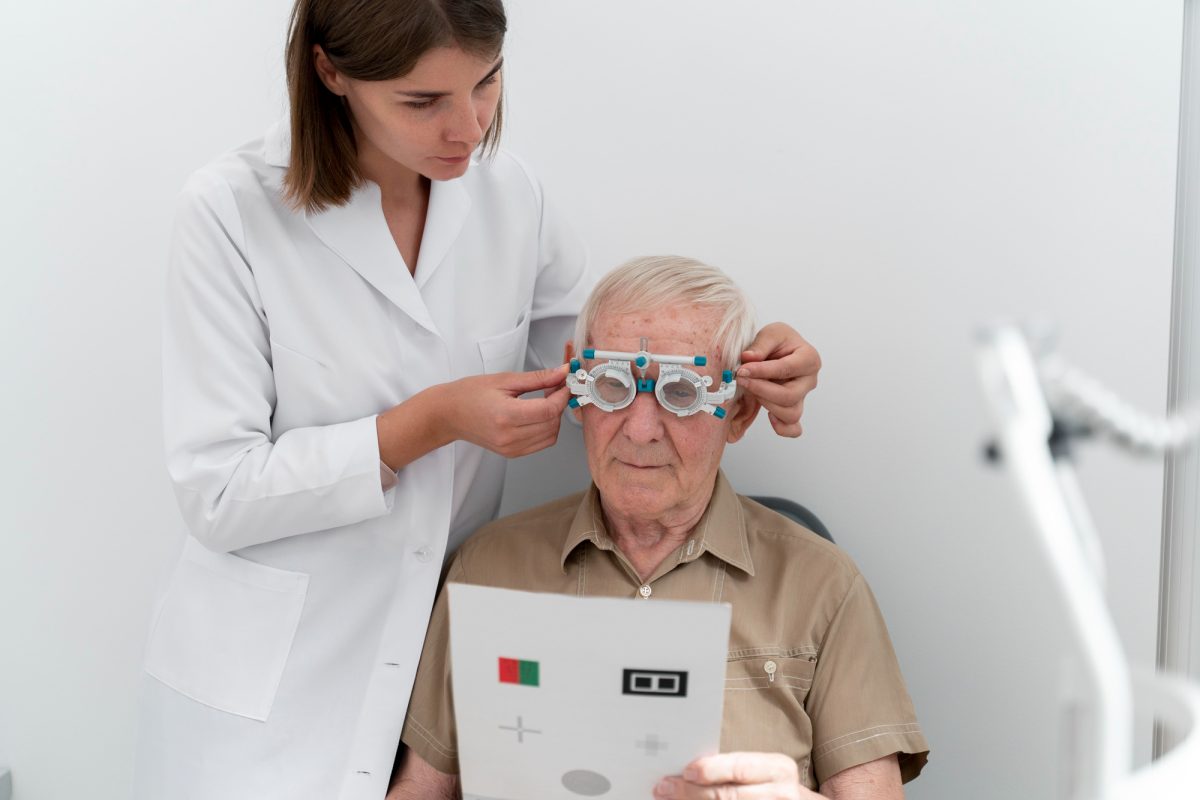
Age-related vision loss affects millions of people worldwide. As populations continue to age, researchers are searching for better ways to understand and prevent eye diseases before permanent damage occurs. Now, scientists at Utah State University have taken a significant step forward.
Their latest bioengineering research offers new insights into age-related macular degeneration (AMD), one of the leading causes of blindness among older adults. By creating a device that mimics the early stages of eye aging, researchers hope to unlock new treatment opportunities and improve outcomes for future patients.
Understanding Age-Related Vision Loss
What Is Age-Related Macular Degeneration?
Age-related macular degeneration is a progressive eye disease that damages the macula, the central part of the retina responsible for sharp vision. As the condition advances, everyday activities such as reading, driving, and recognizing faces become increasingly difficult.
Although AMD affects millions of older adults, scientists still do not fully understand how the disease begins. Most existing research models focus on advanced disease stages rather than the early changes that trigger vision loss. Consequently, researchers often miss critical opportunities to identify preventive treatments.
Utah State Researchers Develop a Breakthrough Device
A New Approach to Eye Disease Research
Researchers led by associate professor Elizabeth Vargis and graduate researcher Chase Paterson developed a custom bioengineering device designed to simulate the early physical changes associated with aging eyes.
Unlike traditional models, this innovative technology applies controlled, low levels of strain to retinal tissue. As a result, scientists can study how cells respond before significant damage occurs. This approach provides a more accurate representation of what happens during the initial stages of AMD.
Why Early Detection Matters
Studying Disease Before It Progresses
Early-stage disease research remains one of the biggest challenges in ophthalmology. Many laboratory models expose tissues to excessive stress, which mirrors later disease stages rather than the beginning of degeneration.
However, understanding the earliest biological changes can reveal new biomarkers, therapeutic targets, and prevention strategies. Therefore, creating realistic models of early disease progression is essential for advancing eye care and protecting vision.
How the New Technology Works
Mimicking Natural Aging Conditions
The newly engineered device generates localized radial strain at levels similar to those experienced during natural aging. Researchers tested the system using eye tissues and monitored cellular responses under controlled conditions.
Importantly, the device allows scientists to observe subtle biological changes without creating the severe damage seen in traditional models. This capability makes it a valuable tool for investigating the root causes of AMD and related disorders.
Key Findings from the Research
Gene Activity Changes Before Severe Damage
The research team discovered that low levels of strain did not immediately trigger harmful blood vessel growth. Nevertheless, the strain altered gene activity within retinal cells.
One notable finding involved a reduction in amyloid precursor protein levels. This observation suggests that the protein may play a previously underappreciated role in age-related eye disease. Researchers believe this pathway could become an important target for future therapies.
New Opportunities for Drug Development
Because the device captures the earliest stages of disease development, scientists can now investigate how specific genes and proteins respond before irreversible vision loss occurs.
As a result, pharmaceutical researchers may gain new opportunities to design treatments that stop disease progression before symptoms become severe.
Potential Impact on Future Treatments
Moving Beyond Traditional Models
Traditional laboratory models often fail to replicate the complex environment of aging human eyes. In contrast, the Utah State device provides a more realistic platform for studying disease progression.
Furthermore, researchers believe the technology could help investigate conditions affecting other organs that experience mechanical stress. Therefore, the implications may extend well beyond ophthalmology.
The Growing Importance of Bioengineering in Eye Health
Innovation Driving Better Patient Outcomes
Bioengineering continues to reshape medical research. By combining engineering principles with biological science, researchers can develop sophisticated models that reveal how diseases begin and evolve.
In the field of eye health, these innovations are especially valuable. Earlier detection, improved disease modeling, and targeted therapies could significantly reduce the burden of blindness in aging populations. Moreover, researchers can explore treatment strategies without relying heavily on animal testing.
Looking Ahead
The Future of Vision Preservation
The Utah State research team plans to continue exploring the relationship between mechanical strain, cellular behavior, and disease progression. Their findings could help identify biomarkers that signal disease before vision loss begins.
Additionally, future studies may uncover new therapeutic pathways capable of preserving eyesight for millions of people worldwide. As research advances, early intervention strategies could become a cornerstone of age-related eye disease management.
Conclusion
Utah State University’s groundbreaking bioengineering research is changing how scientists study age-related vision loss. By creating a device that accurately mimics the earliest stages of eye aging, researchers have opened the door to new discoveries in AMD prevention and treatment.
Most importantly, this innovation shifts the focus toward early detection and intervention. As a result, future generations may benefit from more effective therapies that preserve vision, improve quality of life, and reduce the impact of blindness associated with aging.

