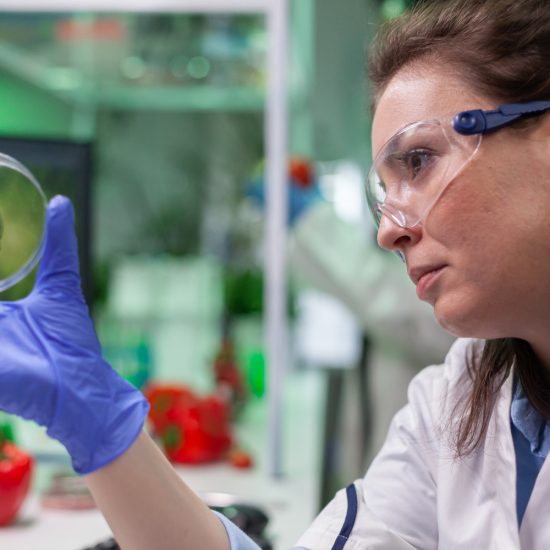
Parkinson disease affects millions of people worldwide. Although medications can help control symptoms, they do not replace the dopamine-producing neurons lost during disease progression. As a result, researchers are exploring stem cell therapies as a potential long-term solution.
Today, stem cell-based treatments represent one of the most exciting areas of Parkinson disease research. Advances in regenerative medicine, cell manufacturing, and transplantation techniques have accelerated clinical development. Consequently, several promising therapies are now being tested in human clinical trials. Recent discussions among leading neurologists highlight how rapidly this field is evolving and what it could mean for patients in the future.
The Rise of Stem Cell Therapy in Parkinson Disease
Over the last decade, interest in stem cell therapies has grown significantly. Scientists learned how to convert stem cells into dopamine-producing neurons, the exact cells damaged in Parkinson disease. This breakthrough laid the foundation for modern cell replacement therapies.
Understanding Dopamine Cell Replacement
Unlike therapies designed to reduce inflammation or protect existing neurons, current stem cell programs focus on replacing lost dopamine cells.
The concept is straightforward. Parkinson disease destroys dopamine-producing neurons. Researchers hope to restore brain function by transplanting newly generated dopamine cells into affected areas of the brain. This approach may help improve motor symptoms and potentially reduce dependence on medication.
Manufacturing Advances Fuel Progress
Scientists can now produce large quantities of clinical-grade dopamine cells efficiently. Moreover, manufacturing processes have become faster and more cost-effective. These improvements have encouraged biotechnology companies and academic centers to expand development programs worldwide.
Current Clinical Trial Landscape
The global clinical trial landscape for stem cell therapies in Parkinson disease is expanding rapidly. Experts estimate that more than a dozen companies are actively developing therapies or conducting clinical studies.
Published Trial Results
Despite the growing enthusiasm, the field remains in the early stages. Published studies include only about 30 patients who have received stem cell-derived dopamine therapies. However, many additional participants are currently enrolled in ongoing trials.
Safety and Feasibility Findings
Early findings are encouraging.
Researchers have successfully implanted stem cell-derived dopamine precursor cells into the brain. Importantly, studies have not reported significant tumor formation or major safety concerns. In addition, transplanted cells generally remain in the targeted area after surgery.
Clinical benefits have also been observed in several studies. While outcomes vary between trials, many patients have shown improvements in motor and non-motor symptoms. Nevertheless, researchers continue to evaluate long-term effectiveness and cell survival rates.
Leading Global Stem Cell Programs
United States Programs
One of the most advanced programs is being developed by BlueRock Therapeutics. The company progressed from Phase 1 studies and has moved into larger clinical trials. Researchers expect valuable data from longer follow-up periods and expanded patient enrollment.
Japan’s Innovative Regulatory Approach
Japan has adopted a unique regulatory pathway. Authorities have conditionally approved certain induced pluripotent stem cell (iPSC)-derived products while continuing long-term evaluation. This framework allows promising therapies to reach patients sooner while maintaining oversight.
European Research Efforts
European investigators have also completed important early-stage studies. Researchers are now reviewing data and planning the next phases of development. Although progress has been slower than in some regions, Europe remains an important contributor to global research efforts.
Emerging Innovations in Cell Therapy
Researchers are now exploring personalized therapies created from a patient’s own cells.
These autologous approaches could reduce or eliminate the need for immunosuppressive medications. As a result, treatment may become safer and more convenient for patients. Several companies have already reported encouraging early findings from these next-generation programs.
Furthermore, scientists continue to improve cell preparation methods, transplantation procedures, and product consistency. These innovations may significantly enhance future treatment outcomes.
Challenges Facing Researchers
Despite the progress, several challenges remain.
First, surgical delivery is still an invasive procedure. Second, researchers must ensure transplanted cells survive and function effectively for many years. Third, differences in cell sources, manufacturing methods, and immunotherapy protocols may influence clinical outcomes.
Additionally, larger randomized studies are necessary to confirm long-term safety and efficacy. Until those results become available, stem cell therapies remain investigational.
Future Outlook for Parkinson Disease Treatment
The future of stem cell therapy appears increasingly promising. Global collaboration among academic institutions, biotechnology companies, and regulatory agencies continues to accelerate progress. Researchers are sharing data, refining techniques, and working together to bring effective treatments to patients faster.
As ongoing trials mature, clinicians expect clearer answers regarding efficacy, durability, and patient selection. If successful, stem cell therapies could transform Parkinson disease treatment and offer a new option beyond symptom management.
Conclusion
Stem cell therapies are reshaping the Parkinson disease research landscape. Early clinical trials demonstrate encouraging safety profiles and signs of therapeutic benefit. Although significant work remains, the rapid pace of innovation suggests that regenerative medicine could play a major role in future Parkinson disease care.
With multiple global programs advancing simultaneously, patients and clinicians have more reason than ever to follow developments in this rapidly evolving field.