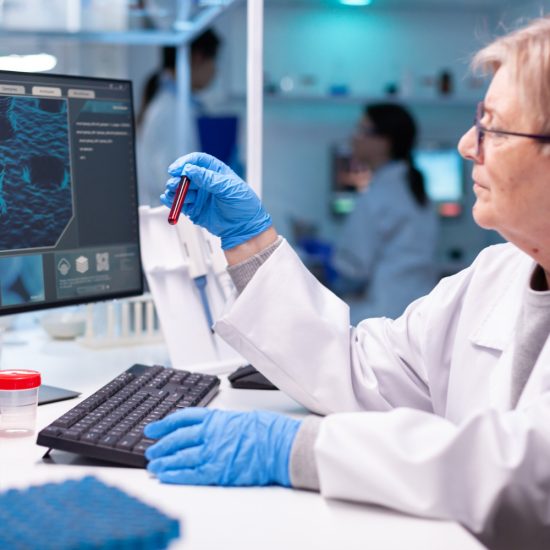
A clinical trial is the study of a new drug, procedure, treatment, or combination of interventions that may lead to improved therapies and protocols for fighting cancer. Research increasingly shows that more people are participating in cancer clinical trials than ever before. Yet fear, financial concerns, logistical challenges, and widespread misconceptions continue to create significant barriers to participation for many patients who could genuinely benefit.
What Is a Cancer Clinical Trial?
Cancer clinical trials are carefully designed research studies that test new treatments, medications, drug combinations, or procedures on human volunteers. They are conducted in phases, each with a specific purpose — from evaluating safety to measuring effectiveness. Contrary to popular belief, clinical trials are not a last resort. They are a legitimate, often promising avenue of treatment for people at various stages of cancer care.
These studies are governed by strict ethical and regulatory standards, including oversight by Institutional Review Boards (IRBs). Patients enrolled in clinical trials receive close medical monitoring, often more frequent check-ins than standard care. Participation is voluntary, and patients can withdraw at any time.
Why Patients Hesitate to Participate
Despite growing awareness, several obstacles still prevent many cancer patients from enrolling in clinical trials. The most common barriers include fear of receiving a placebo instead of real treatment, concerns about being a “guinea pig,” travel and time commitments, financial costs not covered by insurance, and limited awareness about available trials.
It’s also worth noting that a significant reason patients aren’t included in clinical trials is a lack of proactive communication with their healthcare providers. Many oncologists may not bring up clinical trials unless patients ask — and many patients don’t know they should ask.
The Real Purpose of Clinical Trials
“Oncology clinical trials are different from what people might think,” says Douglas Marks, MD, a medical oncologist at NYU Langone Health in New York City and medical director of the clinical trials office at Perlmutter Cancer Center. “This is how we advance the field, but they are designed with the purpose of benefiting patients in real time. There is a role for clinical trials in many situations, disease courses, and types.”
This perspective is important: clinical trials are not simply about gathering data for the future. They are designed to offer potential benefits to the patients who participate today, while also advancing the standard of care for future patients.
How to Know If a Trial Is Right for You
Every cancer patient’s situation is unique. Eligibility for clinical trials depends on factors such as cancer type and stage, previous treatments received, overall health status, age, and geographic location. Not every patient will qualify for every trial, but many patients qualify for at least one.
If you are living with cancer and curious about clinical trials, start by asking your oncologist directly: “Are there any clinical trials I might be eligible for?” This simple question can open a critical conversation that may expand your treatment options significantly.
You can also independently search for trials through resources like ClinicalTrials.gov, where thousands of active studies are listed along with eligibility criteria, locations, and contact information.
Starting the Conversation With Your Oncologist
Bringing up clinical trials with your healthcare provider doesn’t have to be intimidating. Prepare for the conversation by writing down your questions in advance. Ask about the purpose of any recommended trial, what participation involves, potential risks and benefits, and how your standard care might be affected.
If you’re unsure whether a clinical trial fits into your treatment plan, consider taking a readiness assessment to better understand your comfort level and eligibility profile before speaking with your care team.
Conclusion
Cancer clinical trials represent one of medicine’s most powerful tools for improving patient outcomes. With the right information and an open conversation with your oncologist, you may find that a clinical trial is not only available to you — but could be the most promising part of your treatment journey.