The Communication Crisis in Acute Care
Nearly 40% of serious medical errors stem from communication failures. That number is alarming. For hospitals managing siloed departments, fragmented systems, and complex care transitions, poor communication directly endangers patients.
RingCentral addresses this challenge head-on. The platform combines RingEX, an enterprise-grade clinical communication tool, with RingCX, an AI-driven contact center solution. Together, they eliminate data silos and harmonize fragmented workflows. As a result, hospitals report a documented 42% increase in patient satisfaction.
This article explores five key ways RingCentral helps hospitals achieve their quality-of-care goals.
1. Bridging the Collaboration Gap
Fragmented communication is one of the biggest challenges in modern hospitals. During shift changes and departmental handoffs, critical patient context gets lost. Consequently, care is delayed, patients grow frustrated, and readmissions increase.
RingEX solves this by bringing voice, messaging, and video into one HIPAA-compliant interface. Clinicians stay connected on the move — no longer tied to a desk.
Secure Clinical Messaging and AI Triage
Teams now share high-resolution images, test results, and protected health information (PHI) safely. Every exchange comes with a full audit trail. Moreover, AI-powered summarization helps clinicians digest long message threads quickly during shift handoffs. This prevents critical patient details from getting lost in the rush. These summaries also integrate into EMR systems to enrich patient profiles.
Virtual Consultations and Telehealth
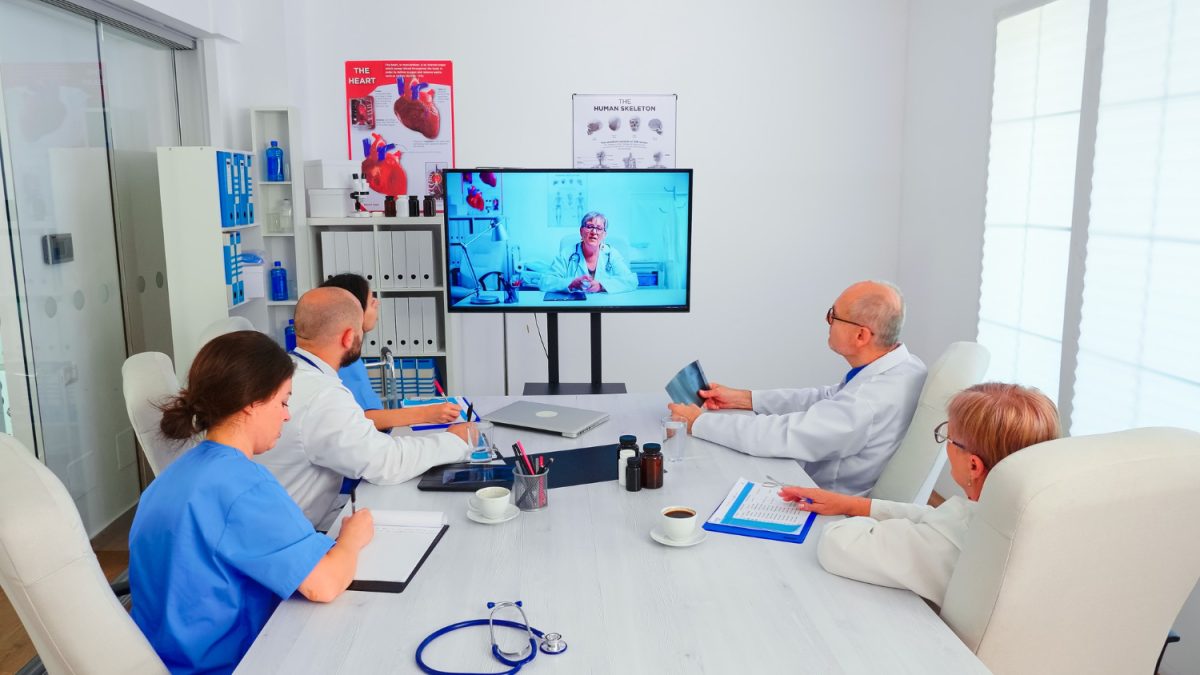
With integrated video, specialists can perform remote assessments instantly. They can also participate in multidisciplinary care planning without being physically present. Additionally, RingEX’s AI Assistant handles automated transcription and note-taking. This allows doctors to focus fully on the patient — not the keyboard.
2. Increasing Workforce Efficiency with Agentic AI
RingCentral is actively transforming hospital workflows through Agentic AI. Traditional IVR systems rely on static menus. In contrast, the AI Receptionist (AIR) evaluates context and guides interactions intelligently. This reduces the administrative burden on staff and drives operational efficiency across the facility.
How AIR Works
AIR operates 24/7. It interprets a caller’s natural language to identify their need — whether scheduling an appointment, checking a lab result, or escalating an emergency. Furthermore, it autonomously checks provider calendars and books appointments. It also updates records in the EHR without human intervention. Therefore, front-office teams can focus on higher-value tasks.
3. Elevating the Patient Experience with RingCX
While RingEX manages internal workflows, RingCX transforms the hospital’s front door. Every patient or family interaction demands both speed and empathy.
Intelligent Clinical Routing
RingCX directs calls to the correct department — Emergency, Inpatient, or Surgical — immediately. This minimizes the frustration of repeated transfers, which patients frequently cite as a pain point.
AI-Assisted Support with AVA
During live calls, the AI Virtual Assistant (AVA) provides real-time guidance to staff. It listens to conversations and surfaces relevant hospital protocols or patient EHR data at exactly the right moment. As a result, every interaction stays compliant and well-informed.
4. Streamlining Operations with AI Insights
Operational excellence supports clinical success. RingCentral’s ACE (AI Conversation Expert) and RingWEM (AI Workforce Engagement Management) convert voice data into actionable intelligence.
Sentiment Intelligence and HCAHPS Scores
ACE actively monitors patient emotions across all communication channels. It identifies frustration or concern early. Because of this, leadership can address issues proactively — before they affect HCAHPS scores or trigger formal grievances. In addition, scoring all interactions creates quality management opportunities that improve team training and staff satisfaction.
Workforce Engagement
Managing hospital staffing is a constant balancing act. RingWEM optimizes scheduling during peak periods such as visiting hours and morning discharge surges. Consequently, hospitals maintain adequate staffing while cutting unnecessary labor costs.
5. Driving Real Impact for Physician Referrals
RingCentral also transforms the physician referral process. The platform uses RingCX and AIR to eliminate administrative friction. Critical data is captured and prioritized before a call even reaches the transfer center.
Through RingEX and RingWEM, coordinators sync instantly with specialized teams to confirm bed availability and optimize staffing. ACE then handles real-time documentation. As a result, coordination time drops from hours to minutes. This improvement directly impacts patient outcomes and strengthens the hospital’s reputation for efficiency.
Conclusion: Communication as a Catalyst for Care
RingCentral gives hospitals more than a phone system. It delivers an intelligent action layer that connects every department, clinician, and patient touchpoint. By combining RingEX, RingCX, AIR, AVA, ACE, and RingWEM, hospitals can reduce medical errors, automate administrative tasks, and make every interaction secure, efficient, and compassionate. Ultimately, better communication drives better care.