Introduction
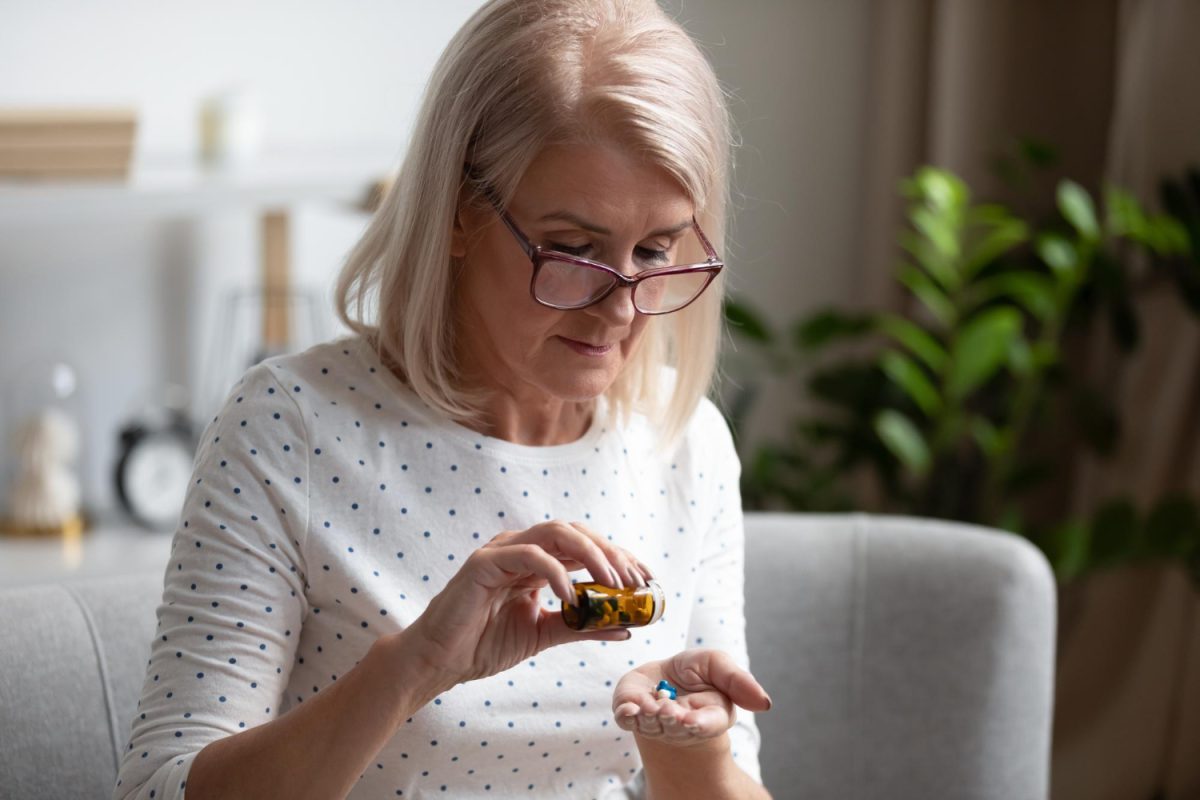
A new clinical study suggests that daily multivitamins may slow certain signs of aging. Researchers found that older adults who took multivitamins showed slightly slower biological aging compared with those taking a placebo. The findings add new insights to the growing field of nutrition and longevity research.
Scientists measured aging using molecular markers in blood samples. These markers track chemical changes in DNA known as epigenetic signals. Although the benefits were modest, the results indicate that micronutrients may influence aging at the cellular level.
Understanding Biological Aging
Chronological Age vs Biological Age
Chronological age simply reflects the number of years a person has lived. Biological age, however, reflects how quickly the body ages at the cellular level. Scientists measure biological age using biomarkers that change over time.
One key measurement method involves epigenetic clocks. These clocks analyze patterns of DNA methylation. DNA methylation refers to chemical tags attached to DNA that regulate gene activity. Over time, these tags change in predictable ways.
Therefore, scientists can estimate whether a person’s body is aging faster or slower than expected.
New Study on Multivitamins and Aging
Details of the Clinical Trial
Researchers conducted a randomized clinical trial involving 958 adults aged 60 and older. Participants took either a daily multivitamin supplement or a placebo for two years.
Scientists then analyzed blood samples to measure five different biological aging markers. These markers came from epigenetic clocks that estimate cellular aging.
Results showed that participants taking multivitamins experienced slower aging on two of the five clocks tested. On average, the supplements slowed biological aging by about four months over two years.
Although the difference seems small, researchers consider the finding meaningful because such randomized trials in nutrition research remain rare.
How Multivitamins Affect DNA Aging
Role of Micronutrients
Multivitamins contain essential micronutrients such as vitamins A, C, D, E, B-complex vitamins, and minerals like zinc and selenium. These nutrients support several cellular processes.
For example, many vitamins help reduce oxidative stress. Oxidative stress damages DNA and contributes to aging. Antioxidant nutrients also support immune function and cellular repair.
Therefore, scientists believe these micronutrients may help stabilize DNA methylation patterns linked to aging.
Effects on Epigenetic Clocks
In the study, multivitamins influenced two specific epigenetic clocks associated with mortality risk. These clocks showed slower increases in biological age among supplement users.
However, three other clocks did not show significant changes. Because of this mixed result, researchers emphasize that the evidence remains preliminary.
Who May Benefit Most
Interestingly, the study revealed stronger benefits among individuals who showed faster biological aging at the start of the trial.
Researchers believe nutritional deficiencies may explain this effect. People with lower levels of essential nutrients might respond more strongly to supplementation.
Older adults also face a higher risk of vitamin deficiencies due to changes in digestion and metabolism. For this reason, multivitamins could offer modest support for healthy aging in certain populations.
Limitations of the Research
Despite encouraging findings, experts urge caution when interpreting the results.
First, the improvements were relatively small. A four-month reduction in biological aging over two years may not translate into meaningful health outcomes.
Second, the study did not fully control for lifestyle factors such as diet, exercise, and sleep. These factors strongly influence aging and overall health.
Third, supplements are not regulated as strictly as medications. Therefore, product quality and ingredient levels can vary.
As a result, scientists stress that more long-term studies are necessary.
Lifestyle Still Matters Most
Even with promising supplement research, experts agree on one important point: healthy lifestyle habits remain the strongest defense against aging.
A balanced diet rich in fruits, vegetables, whole grains, and healthy fats provides essential nutrients naturally. Regular physical activity also improves cardiovascular health and reduces inflammation.
Sleep quality, stress management, and social engagement further support healthy aging. Multivitamins may complement these habits, but they cannot replace them.
The Future of Anti-Aging Research
Scientists continue to explore how nutrition affects aging at the molecular level. Epigenetic clocks, for example, offer powerful tools for measuring biological changes.
Future studies may investigate whether specific nutrients or combinations of vitamins produce stronger anti-aging effects. Researchers may also study younger populations and longer treatment periods.
As longevity science advances, nutrition could become an important strategy for maintaining health during aging.
Conclusion
The new study provides intriguing evidence that daily multivitamins may slightly slow biological aging in older adults. Researchers observed modest improvements in certain DNA aging markers over two years.
However, the effect remains small and requires further investigation. While supplements may offer benefits for some individuals, they should support—not replace—a healthy diet and lifestyle.
Ultimately, the best strategy for healthy aging still includes balanced nutrition, regular exercise, and preventive healthcare.