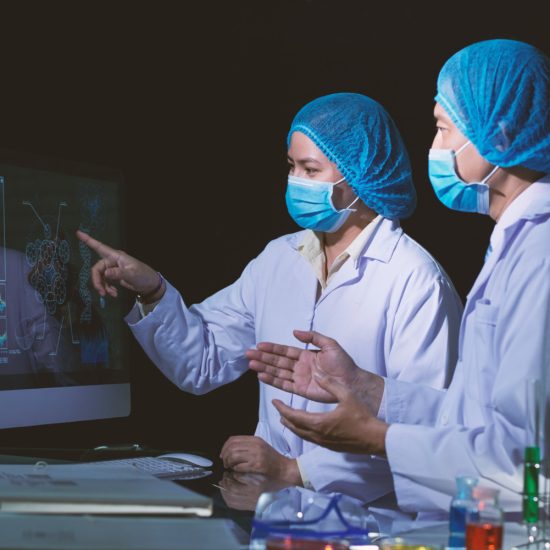
When people think of healthcare, doctors and hospitals come to mind first. Yet modern healthcare is far more complex. Every diagnosis, surgery, dialysis session, or rehabilitation programme depends on a vast ecosystem of skilled professionals working behind the scenes. These individuals — Allied and Healthcare Professionals (AHPs) — form the true operational backbone of every health system.
Understanding their role is not optional. It is essential for building stronger, more efficient healthcare systems worldwide.
Beyond Doctors and Hospitals
The Hidden Engine of Patient Care
Most patients never see the full picture of their own care. A radiologist reads their scan. A laboratory technologist analyses their blood sample. A physiotherapist helps them walk again after surgery. Moreover, a dialysis technician keeps them alive between kidney treatments.
None of these roles belong to a physician. Yet each one is indispensable. Without AHPs, medical decisions remain just that — decisions. AHPs are the professionals who actually execute those decisions and deliver care to the patient directly.
Furthermore, their work spans virtually every department in a healthcare facility. From operation theatres to outpatient rehabilitation centres, AHPs are present at every critical step.
Who Are Allied Health Professionals?
Allied and Healthcare Professionals include a wide range of skilled practitioners. These are not support staff in a general sense. Instead, they are highly trained specialists with defined clinical responsibilities.
Key categories include:
- Laboratory Technologists — who analyse blood, tissue, and other samples to inform diagnoses
- Imaging Specialists — who conduct X-rays, MRIs, CT scans, and ultrasounds
- Dialysis Technicians — who manage life-sustaining renal replacement therapy
- Physiotherapists — who restore mobility and function after illness or injury
- Operation Theatre Staff — who assist surgeons and ensure safe surgical environments
- Respiratory Therapists — who manage ventilation and breathing support
Together, these professionals translate medical knowledge into tangible patient outcomes. Consequently, they represent a category of healthcare workers that systems cannot afford to overlook.
The Backbone of Patient Care
AHPs constitute nearly 60 per cent of the total healthcare workforce. This figure alone reveals their significance. They outnumber physicians and nurses in many health systems globally. Additionally, they interact with patients across a wider variety of touchpoints than most other healthcare workers.
A simple principle captures their importance clearly: doctors decide what care is needed; allied professionals make that care possible.
Without AHPs, hospitals would face immediate operational collapse. Surgeries could not proceed without theatre technicians. Diagnoses would stall without laboratory results. Rehabilitation would cease without physiotherapists. In short, the entire care continuum depends on their contributions.
Key Roles That Drive Health Outcomes
Diagnostics and Laboratory Science
Laboratory technologists generate the data that drives clinical decisions. Their work directly influences treatment accuracy and patient safety. Therefore, errors or delays at this stage affect every subsequent step in a patient’s care pathway.
Imaging and Radiology Support
Imaging specialists produce the visual evidence that confirms or rules out conditions. Their precision enables faster, more accurate diagnoses. Moreover, advances in medical imaging have expanded their role significantly in recent years.
Rehabilitation and Recovery
Physiotherapists and occupational therapists guide patients through recovery after surgery, stroke, or injury. Their interventions reduce hospital stays and prevent long-term disability. As a result, they generate significant savings for health systems while improving patient quality of life.
Why AHPs Are Critical to Health Systems
Health systems globally face rising patient volumes, ageing populations, and growing chronic disease burdens. These pressures demand efficient, multi-disciplinary care models. AHPs are central to making those models work.
First, they extend the reach of physician-led care. Second, they specialise in areas where focused expertise delivers better outcomes. Third, they reduce the burden on doctors by managing defined aspects of care independently.
Furthermore, patient satisfaction scores consistently reflect the quality of AHP interaction. Patients rate their experiences based not only on medical outcomes but also on the quality of care they receive during rehabilitation, diagnostics, and therapy.
Challenges Facing Allied Professionals Today
Despite their critical role, AHPs face persistent systemic challenges. Many health systems underpay, underrecognise, and underinvest in this workforce. Consequently, burnout rates are high and attrition poses a serious risk to healthcare delivery.
Additionally, career progression pathways for AHPs are often unclear or limited. Many professionals plateau early without access to leadership, research, or advanced clinical roles. This limits both individual growth and organisational capacity.
Regulatory frameworks also vary widely across countries. In some regions, AHPs lack formal licensing structures, which affects both professional accountability and public trust.
The Road Ahead for AHP Recognition
Policy, Investment, and Reform
Governments and health authorities must prioritise AHP workforce planning. This includes competitive compensation, structured career pathways, and formal recognition in national health policies. Moreover, educational institutions need to expand AHP training programmes to meet growing demand.
Technology also presents new opportunities. Digital diagnostics, telehealth, and AI-assisted imaging are expanding the scope of AHP practice. Therefore, continuous professional development must keep pace with technological change.
Above all, public awareness matters. Communities that understand the value of allied health professionals are more likely to support investment in this workforce.
Conclusion: Care Without Boundaries
Allied and Healthcare Professionals are not peripheral to healthcare — they are central to it. They constitute the majority of the healthcare workforce and deliver care at every critical point in the patient journey.
Recognising AHPs is not merely a matter of professional courtesy. It is a strategic necessity for any health system serious about quality, efficiency, and patient outcomes. As demand for healthcare grows globally, so does the need to invest in, support, and celebrate the professionals who make modern medicine work.