Rhode Island is making a bold move to close the rural healthcare gap. Governor Dan McKee has submitted a budget amendment directing $32.9 million from the state’s Rural Health Transformation Program (RHTP) toward two transformative priorities: health information technology modernization and hospital-at-home expansion. Together, these investments signal a major shift in how rural communities will access care in the years ahead.
Health IT Modernization: Digitizing Rural Care
What the $16.7M Technology Investment Covers
The state dedicates $16.7 million specifically to rural health IT modernization. This funding targets hospitals, clinics, and other providers across Rhode Island’s 18 rural towns. The goal is clear: equip these facilities with the digital infrastructure needed to deliver better, more connected care.
Specifically, this investment supports three critical capabilities. First, it improves interoperability — enabling different health systems to share patient data seamlessly. Second, it strengthens care coordination, helping providers work together across settings. Third, it accelerates value-based care models that reward quality outcomes rather than the volume of services delivered.
Technology Tools at the Center of Transformation
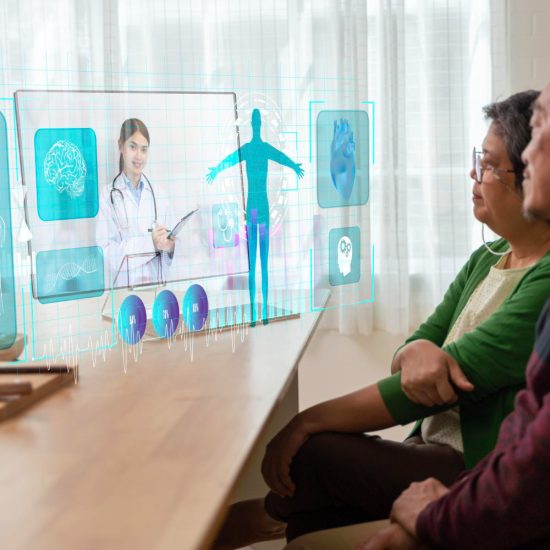
Providers receiving IT grants will use funding to expand telehealth services, improve data connectivity, and leverage artificial intelligence for care coordination. Moreover, these upgrades allow rural providers to participate fully in value-based payment programs — a key step toward sustainable rural healthcare financing. Consequently, patients in small and remote communities gain access to the same digital care standards available in urban centers.
Hospital at Home: Bringing Acute Care to Patients
How the $16.2M Expansion Works
The second major allocation — $16.2 million — targets the expansion of hospital-at-home programs across Rhode Island’s rural regions. This model enables hospitals to safely deliver inpatient-level care directly in patients’ homes for those who are clinically appropriate candidates.
Why Hospital at Home Matters
Hospital-at-home is not a replacement for emergency care. Rather, it serves as a smarter alternative for patients who need acute-level treatment but do not require a traditional hospital stay. Furthermore, participating hospitals partner with primary care providers and emergency medical services (EMS) to ensure continuous monitoring and rapid response when needed. Remote monitoring technology plays a central role, keeping care teams connected to patients around the clock.
This approach reduces avoidable hospital admissions, lowers costs, and allows patients to recover in familiar surroundings. Additionally, it eases capacity pressure on rural hospitals that often struggle with limited beds and workforce shortages.
The Broader Rural Health Transformation Program
A $156M Federal Investment Over Five Years
The $32.9 million allocation is part of Rhode Island’s larger RHTP award — a five-year, $156 million federal grant administered through the Centers for Medicare and Medicaid Services (CMS). Rhode Island is one of only a handful of states directing RHTP funds specifically toward hospital-at-home expansion, alongside Massachusetts.
In Year 1, the McKee Administration secured funding for 13 distinct initiatives. Beyond health IT and hospital-at-home, the program also supports behavioral health capacity, oral health access through tele-dentistry, rural EMS modernization, workforce development, and value-based payment transition incentives. Together, these initiatives form a coordinated, statewide strategy to transform care delivery across all 18 of Rhode Island’s designated rural towns.
Key Partners Driving Implementation
A Collaborative Statewide Effort
Implementation will not happen in isolation. The Rhode Island Executive Office of Health and Human Services (EOHHS) leads the program, in close coordination with the Rhode Island Department of Health. Several subrecipient organizations are already embedded in the effort, including the Care Transformation Collaborative of Rhode Island (CTC-RI), the Hospital Association of Rhode Island (HARI), the Rhode Island Health Center Association, the Narragansett Indian Tribe, Block Island Health Services, and the Rhode Island League of Cities and Towns.
John Minichello, Executive Director of CTC-RI, described the program as more than a grant — calling it an opportunity to strengthen the foundation of care delivery in rural communities and build lasting capabilities that benefit Rhode Islanders for years to come.
What This Means for Rural Rhode Islanders
For residents of towns like Burrillville, Westerly, Little Compton, and New Shoreham (Block Island), this investment is direct and personal. Rural communities in Rhode Island face well-documented challenges: limited access to specialists, transportation barriers, workforce shortages, and persistent health disparities.
The $32.9 million in health IT and hospital-at-home funding addresses two of the most pressing gaps. Better technology means faster, more accurate care coordination. Hospital-at-home means fewer patients facing long drives to receive treatment they could safely receive closer to home. Ultimately, these investments move Rhode Island toward a care system where geography is no longer a barrier to quality health outcomes.