Introduction
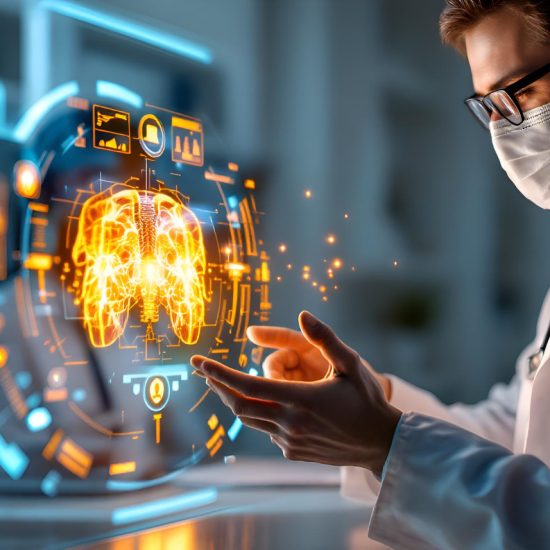
Artificial intelligence is no longer a futuristic concept. Today, it actively shapes how doctors diagnose diseases, how hospitals manage records, and how patients understand their own health. From spotting cancer earlier to discovering new drugs in months, AI is rewriting the rules of modern medicine. Consequently, understanding what this technology does — and where its limits lie — matters more than ever for everyday patients and healthcare professionals alike.
AI in Disease Detection and Diagnosis
Early detection saves lives. Fortunately, AI systems now catch diseases faster and more accurately than many traditional screening methods.
Cancer Screening Gets Smarter
AI-assisted mammography screening now detects significantly more breast cancers compared to traditional screening alone. Notably, a 2025 Lancet Digital Health study found that AI tools identified far more early-stage tumors that doctors might otherwise miss. Moreover, AI models using facial imaging can now estimate biological age — a key marker of cellular health — offering new pathways for preventive care.
Stroke and Brain Scan Analysis
In stroke care, timing is everything. A new AI software trained on thousands of brain scans has proven twice as accurate as human professionals in reading stroke images. Furthermore, it identifies how long ago the stroke occurred — a critical detail that determines treatment eligibility. As a result, clinicians can make faster, better-informed decisions during emergencies.
AI in Drug Discovery and Treatment
Developing new medicines traditionally takes years. However, generative AI is cutting that timeline dramatically. Researchers now design novel drug candidates in months rather than decades. For example, scientists at Stanford University used an AI model called SyntheMol to create six new antibiotic candidates targeting a deadly superbug. Additionally, companies like Insilico Medicine are already licensing AI-discovered drug candidates to pharmaceutical giants such as Eli Lilly for billions of dollars. Therefore, the drug pipeline of tomorrow will look very different from the one today.
AI Tools Supporting Doctors and Patients
Beyond diagnosis, AI is transforming the daily experience of healthcare — for both providers and the people they serve.
Reducing Administrative Burden
Paperwork is one of the biggest contributors to physician burnout. AI scribes now listen to clinical consultations and generate notes automatically, freeing doctors to focus on patients. Microsoft’s Dragon Copilot, for instance, handles this task across hospital systems nationwide. Similarly, AI tools now draft appeals for denied insurance claims, potentially recovering billions in lost revenue while saving hours of clinician time.
AI Companions for Mental and Preventive Health
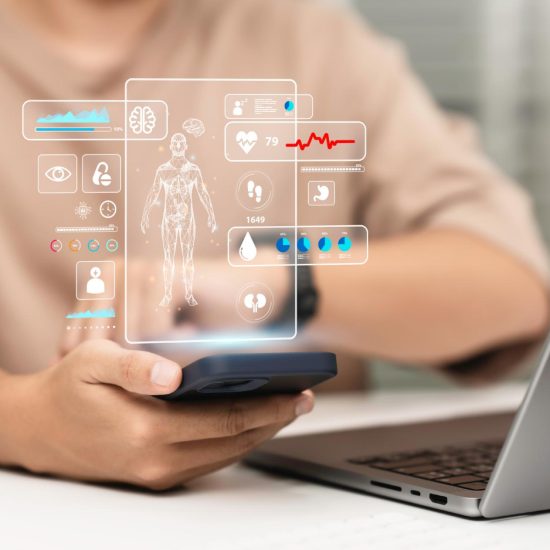
AI is also entering the home. Smart wearables and AI-powered companions like ElliQ support older adults with daily check-ins, medication reminders, and activity prompts. Meanwhile, speech-analysis AI can forecast Alzheimer’s disease with nearly 80% accuracy — up to six years before diagnosis. These tools offer tremendous promise, especially for people with limited access to regular medical care.
Risks and Limitations to Keep in Mind
Despite its promise, AI in healthcare carries real risks that patients and providers must acknowledge. First, AI systems can produce errors or hallucinations — generating incorrect information with confidence. Second, training data often reflects societal biases, which can worsen health disparities if left uncorrected. Third, experts warn that people using AI health tools must receive proper training to understand their limitations. As Dr. Caroline Green of Oxford’s Institute for Ethics in AI noted, the possibility of wrong information being delivered without proper context remains a serious concern. Therefore, AI must serve as a support tool, not a substitute for professional medical judgment.
What This Means for You
As AI becomes embedded in healthcare, patients benefit from asking the right questions. Consider these practical takeaways:
- Ask your doctor whether AI tools assist in interpreting your test results or scans.
- Use AI health apps only as supplements, not replacements, for professional advice.
- Stay informed about how your medical data is used and stored by AI platforms.
- Discuss AI-generated insights with a qualified healthcare provider before acting on them.
Above all, remember that AI works best when it supports — not replaces — the human expertise of skilled medical professionals.
Conclusion
AI is changing health in ways that are both exciting and complex. It spots cancers earlier, accelerates drug discovery, reduces doctor burnout, and opens healthcare access to billions who previously lacked it. At the same time, responsible adoption requires proper training, rigorous validation, and strong ethical guardrails. Ultimately, the future of healthcare will belong to systems that combine the precision of AI with the compassion and judgment of human caregivers. Staying informed today puts you in the best position to benefit from that future.