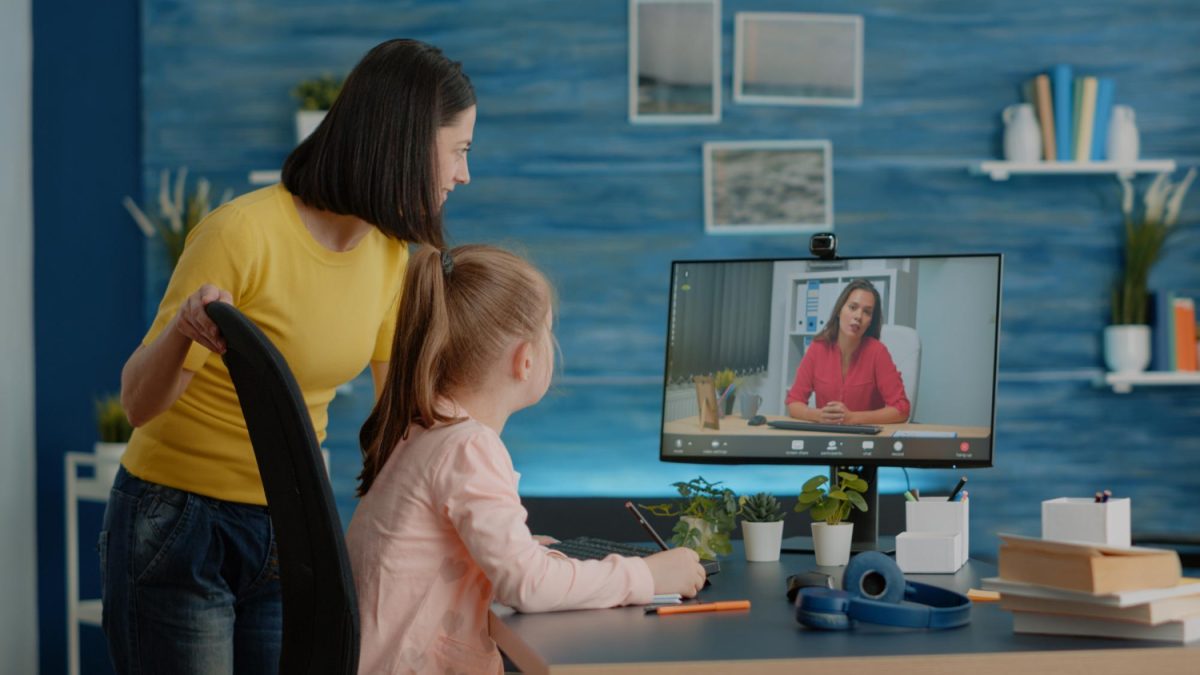
Telehealth assessments can accurately diagnose autism in children. New research confirms this finding, especially for children with limited speech. This development marks a significant step forward in expanding autism care to underserved communities nationwide.
How the Study Was Conducted
Researchers at the University of California, Riverside conducted a study involving 39 children. They compared virtual autism assessments directly with in-person evaluations. Importantly, separate clinical teams handled each method. This design eliminated bias and strengthened the reliability of results.
The study appeared on May 2 in the Journal of Autism and Developmental Disorders. UC Riverside then published a news release on May 4, sharing the findings broadly.
Key Findings From the Research
Strong Results for Limited-Speech Children
The study found strong diagnostic accuracy for telehealth tools used with limited-speech children. Clinicians identified autism correctly in most of these cases. Furthermore, the consistency of results supported telehealth as a viable standard option for this population.
Mixed Results for Verbally Fluent Children
Telehealth tools for verbally fluent children also performed well in many instances. However, their results proved less consistent compared to those for limited-speech children. Therefore, researchers suggest further refinement of these tools before broader clinical adoption.
How Telehealth Autism Assessments Work
The telehealth approach relies on video-based interactions between clinicians, parents, and children. Clinicians guide parents through structured activities during each session. Meanwhile, they observe the child’s behaviors remotely through a live video connection. This method captures meaningful behavioral data without requiring families to travel.
Additionally, the structured format mirrors traditional in-person evaluations closely. Clinicians apply the same diagnostic criteria used in face-to-face settings. As a result, the quality of the assessment stays high even through a screen.
Why Access to Diagnosis Matters
Access to autism diagnostic services remains a serious challenge across the United States. Many families in rural areas lack nearby specialists. Transportation barriers also prevent timely evaluations for children in underserved communities. Telehealth directly addresses both obstacles at once.
By removing the need for in-person travel, remote assessments allow more families to seek early diagnosis. Early detection leads to earlier intervention. Consequently, children gain access to critical support services at a key developmental stage. This outcome benefits both families and the broader healthcare system.
Lead researcher Katherine Meltzoff, PhD, a clinical psychologist and professor of education at UC Riverside, highlighted the practical value of this approach. “It worked for most kids,” she noted in the release.
Limitations of Remote Diagnosis
Despite promising results, telehealth autism diagnosis does carry limitations. Dr. Meltzoff was candid on this point. “I don’t want to oversell it,” she stated. Complex cases — those already difficult to evaluate in person — prove harder to assess remotely.
Thus, clinicians must exercise careful judgment when selecting candidates for telehealth-based assessment. Some children may still require in-person evaluation for a definitive diagnosis. Nevertheless, the majority of straightforward cases appear well-suited for the remote format.
What This Means for Healthcare Providers
Healthcare providers stand to benefit greatly from integrating telehealth into autism diagnostic workflows. First, they can reach a larger patient population without expanding physical clinic capacity. Second, they can reduce wait times for families facing long delays. Third, they can direct in-person resources toward the most complex cases.
Telehealth also aligns with broader digital health trends reshaping care delivery today. As AI tools and interoperability standards continue to improve, remote diagnostic capabilities will grow even stronger. Providers who adopt these tools now will be better positioned for the future of pediatric behavioral health.