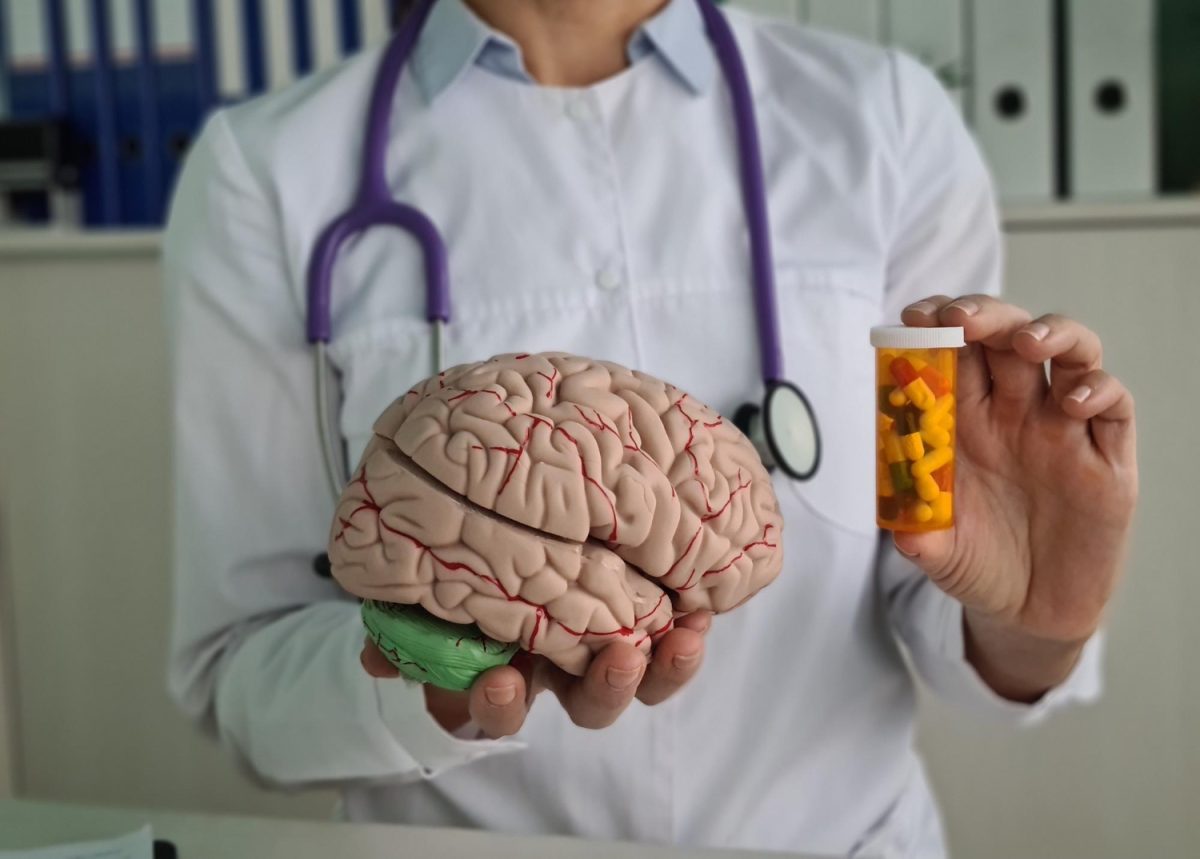
Brain health supplements line store shelves with confident names — Daily Brain Boost, Brain Drive, Brain Guard+. Americans spend billions each year chasing sharper thinking. But how much of it is science? And how much is marketing? One prominent longevity expert walks us through exactly what he takes — and what he avoids.
A Booming Market, Uncertain Science
The brain supplement industry is exploding in scale. Analysts estimated the global nutritional supplements market at $517.1 billion in 2025. By 2033, that figure may reach $862.5 billion, according to Grand View Research. Roughly one in five adults over 50 takes brain-focused vitamins or supplements, per a 2021 AARP survey.
Yet the science lags far behind the marketing. Supplements face far less regulatory scrutiny than pharmaceutical drugs. The FDA oversees them only after they hit store shelves. Manufacturers largely police themselves. Moreover, most brain supplement studies suffer from small sample sizes, inconsistent methods, and weak effect sizes.
“Is this all real or is it all marketing hype?” asked Gary Small, professor emeritus of psychiatry and former director of the UCLA Longevity Center, now at Hackensack Meridian Health. “It’s a combination, I think. The science is changing so fast it’s hard for even experts to sort it out.”
Pieter Cohen, associate professor of medicine at Harvard Medical School, notes that the phrase “brain health” means almost nothing legally. Claims go unvetted. Labels carry promises no independent authority has confirmed. Furthermore, some early promising findings have reversed over time — as happened with high-dose vitamin E, which once appeared beneficial for Alzheimer’s but later raised concerns about bleeding risk.
Researchers agree on one clear point: the strongest protections for brain health remain regular exercise, quality sleep, and social connection. No supplement currently matches their evidence base.
What One Longevity Expert Actually Takes
Gary Small, now 74, applies a cautious but evidence-informed lens to his own supplement regimen. Here is what he personally takes and why.
Curcumin: The Anti-Inflammatory Bet
Small helped conduct a small double-blind, placebo-controlled trial studying curcumin — the active compound in turmeric. The trial involved 40 adults and found modest improvements in memory and attention. Based on those results, he began taking curcumin himself. He remains uncertain about its direct brain effects. Nevertheless, he believes it likely delivers broader anti-inflammatory benefits. A 2024 review of published studies found a statistically significant improvement in cognitive performance among curcumin users, though gastrointestinal side effects and potential liver health concerns remain under review.
Coenzyme Q10: A Statin Side Effect Shield
CoQ10 is a naturally occurring compound that helps cells produce energy. Small takes it primarily because his physician recommended it alongside a cholesterol statin medication. Some evidence suggests CoQ10 may reduce common statin side effects such as muscle aches and fatigue. Its direct cognitive benefits remain modest and not firmly established. Still, the safety profile is solid and the reasoning is sound.
Multivitamin: The Most Convincing Supplement
Among all brain health supplements, the daily multivitamin currently holds the strongest human clinical trial evidence. The Harvard-led COSMOS trial followed over 2,200 participants across two to three years. Adults over 60 who took a daily multivitamin scored modestly better on episodic memory tests than those given a placebo. Researchers estimate this difference equals roughly two years of slowed cognitive aging. Small takes a daily multivitamin for precisely this reason.
What the Expert Deliberately Skips
Vitamin D and B12
Small gets sufficient vitamin D through regular outdoor activity. As a result, he does not supplement unless a test shows deficiency. Similarly, he acknowledges that B12 deficiency causes fatigue, tingling, and memory loss — but supplementing when levels are already normal offers what he calls “pretty flimsy” evidence of benefit.
Omega-3: Food Over Pills
Small is unconvinced by omega-3 supplements for brain health. In his view, the benefits “are small, inconsistent and often not clinically meaningful.” However, he eats fish twice a week — salmon, branzino, sashimi — because observational studies consistently link regular fish consumption to a lower risk of cognitive decline and dementia. Consequently, he gets his omega-3 naturally through food.
Creatine and Phosphatidylserine
Some randomized controlled trials link creatine to better working memory and processing speed. Small does not take it himself but acknowledges that older adults and athletes may benefit. He places it in the category of “if somebody feels very strongly, I won’t argue — as long as I don’t think there are side effects.” Phosphatidylserine, which supports brain cell membranes, shows some memory benefits in older adults. Even so, Small remains unconvinced enough to leave it off his list — especially since fish, soybeans, and eggs deliver it naturally.
Nicotinamide Riboside: Too Early to Tell
This form of vitamin B3 has gained recent attention as a popular antiaging supplement. A 2025 clinical study of people with long COVID, published in eClinicalMedicine, linked high doses to improvements in cognition, fatigue, and mood. Even so, Small calls the research “very early stage.” He waits for more robust evidence before adding it to his routine.
How to Evaluate Brain Supplements Wisely
Navigating the brain supplement market requires practical skepticism. Three expert-backed steps can help.
Talk to Your Doctor First
Bring every bottle and canister you take to your next medical appointment. Different products often overlap in ingredients. This overlap can waste money — or worse, create hidden drug interactions. “You may be wasting money or, at worst, creating a situation of drug interactions you’re not aware of,” Small warns.
Research the Manufacturer
Check whether the company has faced lawsuits or consumer complaints. Look for products with ISO-certified testing for purity and potency. Not all supplement makers invest equally in quality control, and not all labels reflect actual contents.
Challenge Every Label Claim
Rather than accepting a label at face value, treat every claim as unproven until you research it independently. As Small puts it: “With social media and the internet, supplement marketing is on steroids. Whoever has the loudest voice in the room seems to prevail.” Healthy skepticism is your best tool.
The Bottom Line
Brain health supplements are a booming business — but the evidence base remains uneven. Of all the options available, the daily multivitamin currently holds the strongest clinical trial support, linked to slowing cognitive aging by roughly two years. Curcumin, CoQ10, and creatine each offer some supporting data, though results stay modest and inconsistent. Meanwhile, the most effective brain health strategies — regular exercise, restful sleep, and meaningful social connection — still outperform any pill or powder on the market. Before investing in brain supplements, consult your doctor, verify the manufacturer’s credibility, and approach every bold label claim with a healthy dose of skepticism.