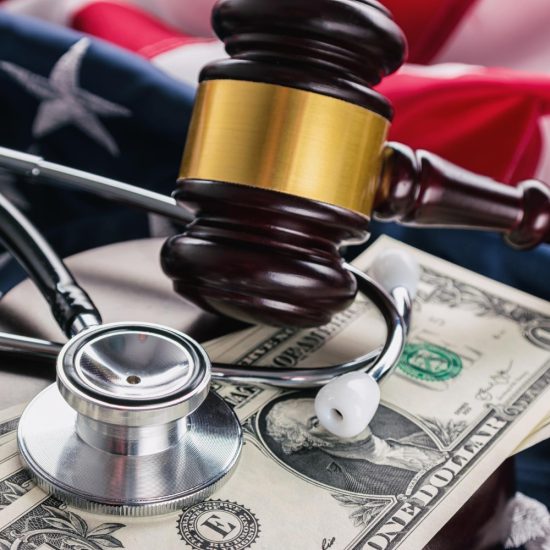
Healthcare fraud has become a major focus for the U.S. federal government in 2026. Federal agencies, lawmakers, and enforcement officials are increasing efforts to identify fraud, waste, and abuse across Medicare and Medicaid programs. As investigations expand nationwide, healthcare organizations now face stricter audits, enrollment freezes, and increased compliance scrutiny.
The federal healthcare fraud crackdown started with high-risk Medicaid programs in Minnesota. However, the initiative quickly spread across multiple states and healthcare sectors. Today, agencies such as CMS, the Department of Justice, and Congress are working together to tighten oversight and recover taxpayer dollars lost to fraudulent activities.
Why the Federal Government Is Targeting Healthcare Fraud
Healthcare fraud costs the federal government billions of dollars every year. Fraudulent billing schemes, fake claims, identity theft, and unnecessary medical services continue to drain Medicare and Medicaid resources. Consequently, federal officials believe stronger enforcement is necessary to protect taxpayer money and improve program integrity.
According to recent federal investigations, healthcare fraud schemes have become more sophisticated. Some operations now use shell companies, stolen patient identities, and even AI-generated consent recordings to support fraudulent claims. Federal agencies argue that modern fraud tactics require stronger enforcement and better oversight tools.
Additionally, political leaders continue to emphasize fraud prevention as part of broader healthcare reform efforts. President Donald Trump and Vice President J.D. Vance have publicly supported aggressive fraud enforcement strategies throughout 2026.
Medicaid Funding Freezes Raise Concerns
Minnesota Became an Early Target
Minnesota became one of the first states affected by the federal crackdown. CMS announced it could withhold up to $515 million per quarter from high-risk Medicaid programs. That decision created serious financial concerns for state healthcare agencies and providers.
Later, CMS froze approximately $260 million in Medicaid funding linked to potentially fraudulent claims. Minnesota officials challenged the decision in court and argued that corrective action plans should have restored the funding. Despite those efforts, federal officials later deferred an additional $91 million.
California Also Faces Federal Action
The crackdown soon expanded beyond Minnesota. Federal officials recently announced plans to withhold $1.3 billion in Medicaid reimbursements to California. CMS leaders described the action as one of the largest reimbursement deferrals in agency history.
Furthermore, the Department of Health and Human Services attempted to freeze billions in social services funding to several states, including California, Illinois, Colorado, Minnesota, and New York. While federal courts temporarily blocked the freeze, legal disputes continue.
New Task Forces and Fraud Investigations
Congress and DOJ Increase Enforcement
Federal healthcare fraud enforcement now involves both legislative and executive agencies. Congress recently launched new oversight task forces focused on Medicaid abuse, welfare fraud, and healthcare program integrity. These task forces are reviewing high-risk programs and requesting additional state documentation.
Meanwhile, the Department of Justice established the West Coast Health Care Fraud Strike Force covering Arizona, Nevada, and Northern California. Officials stated the initiative will expand ongoing investigations into organized healthcare fraud schemes.
Massive Fraud Takedowns Continue
The DOJ has already completed several major healthcare fraud crackdowns in recent years. One nationwide takedown resulted in charges against 324 individuals connected to more than $14.6 billion in alleged fraud. Authorities also seized cash, cryptocurrency, and luxury assets tied to the schemes.
As a result, federal agencies continue investing heavily in fraud detection technology and enforcement operations.
Medicare Enrollment Freezes Expand Nationwide
Hospices and Home Health Agencies Affected
CMS recently imposed a six-month freeze on new Medicare enrollments for hospices and home health agencies. Officials believe some providers in these sectors present elevated fraud risks.
The agency also expanded restrictions on durable medical equipment suppliers earlier this year. CMS reported it prevented more than $1.5 billion in suspected fraudulent billing involving these suppliers in 2025 alone.
Providers Face Greater Compliance Pressure
Healthcare providers must now strengthen compliance programs and documentation practices. Federal agencies increasingly demand proof of medical necessity, provider qualifications, and billing accuracy. Consequently, organizations failing to maintain strong oversight may face audits, penalties, or enrollment suspensions.
Provider Audits and Compliance Requirements
States Must Submit Audit Plans
CMS recently ordered all 50 states to audit Medicaid providers and develop new provider revalidation strategies. These audits will focus primarily on high-risk providers and organizations lacking proper identification records.
States must now submit detailed compliance plans explaining how they will monitor provider activities and detect suspicious billing behavior.
Healthcare Organizations Need Stronger Controls
Healthcare organizations should prepare for stricter regulatory oversight throughout 2026. Experts recommend stronger internal audits, employee training, fraud detection systems, and documentation controls. In addition, providers should regularly review Medicare and Medicaid billing practices to reduce compliance risks.
Impact on Healthcare Providers and Patients
The federal crackdown may help reduce fraud and protect public healthcare funding. However, increased oversight could also create operational challenges for healthcare providers. Many organizations worry about delayed reimbursements, expanded audits, and administrative burdens.
Patients could also experience indirect effects. Enrollment freezes and funding disputes may limit provider availability in some regions. Nevertheless, federal officials argue these measures are necessary to preserve the long-term stability of public healthcare programs.
Future of Federal Healthcare Fraud Enforcement
Federal healthcare fraud enforcement is expected to grow even stronger in the coming years. Agencies continue investing in artificial intelligence, predictive analytics, and data-sharing systems to identify suspicious billing patterns faster.
Moreover, lawmakers are likely to introduce additional regulations focused on program integrity and provider accountability. Healthcare organizations that prioritize compliance and transparency will likely adapt more successfully to the changing regulatory environment.
Conclusion
The federal healthcare fraud crackdown has become one of the most significant healthcare policy developments of 2026. Federal agencies are aggressively pursuing fraud investigations, freezing suspicious funding, expanding audits, and tightening provider enrollment requirements.
As enforcement intensifies, healthcare organizations must strengthen compliance efforts and remain prepared for increased regulatory scrutiny. While the crackdown may create operational challenges, officials believe these actions are essential to protect Medicare, Medicaid, and taxpayer resources from large-scale fraud.