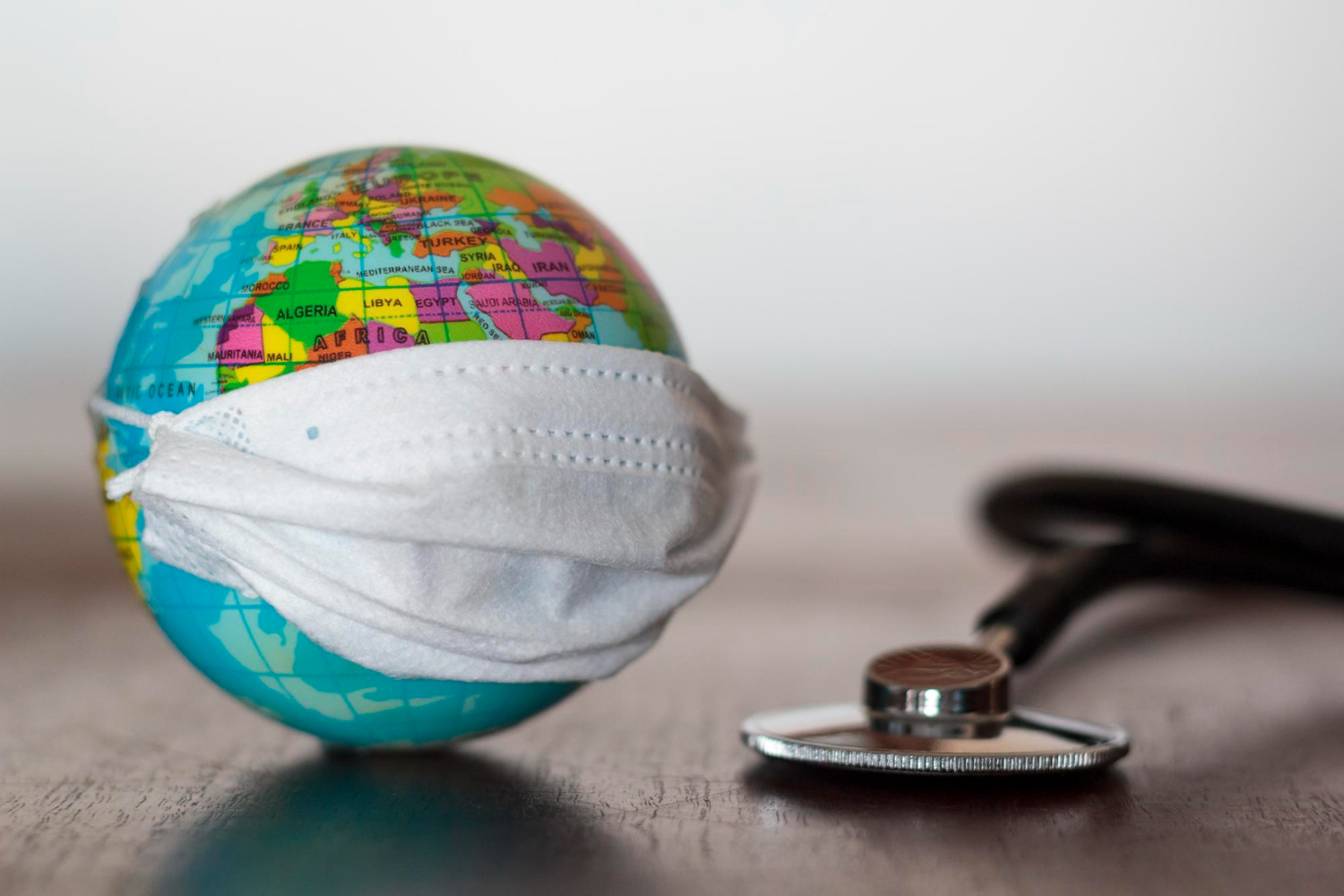
Introduction to America First Global Health Strategy
The Trump administration has unveiled an ambitious $11 billion foreign health assistance program designed to fundamentally transform how the United States delivers aid to developing nations. This initiative, formally known as the America First Global Health Strategy, represents one of the most significant shifts in U.S. foreign policy in decades, particularly following the controversial dismantling of the United States Agency for International Development (USAID).
The program’s primary objective centers on channeling financial resources directly to foreign governments, healthcare organizations, and pharmaceutical manufacturers rather than routing funds through traditional non-governmental organizations. This approach aims to strengthen America’s geopolitical influence while simultaneously advancing U.S. business interests across Africa and other developing regions.
How the New Foreign Aid System Works
Direct Government-to-Government Partnerships
Unlike previous foreign aid models, the America First Global Health Strategy establishes direct bilateral agreements between the State Department and recipient nations. Secretary of State Marco Rubio has already formalized 15 partnerships with African countries, focusing specifically on combating HIV/AIDS, malaria, tuberculosis, and improving maternal healthcare outcomes.
The financial framework requires substantial commitments from both parties. The United States has pledged $11.1 billion over five years, while participating African nations have committed $12.2 billion in matching funds. Each agreement includes specific performance benchmarks that countries must achieve to continue receiving support.
Expansion Plans and Timeline
The State Department’s ambitious roadmap targets agreements with 50 countries within the coming months. This rapid expansion demonstrates the administration’s commitment to replacing USAID’s infrastructure quickly while establishing new diplomatic relationships centered on health cooperation.
African Nations Partnering with United States
The initial wave of participating countries includes Cameroon, Eswatini, Lesotho, Liberia, Mozambique, Nigeria, Rwanda, Uganda, Madagascar, Sierra Leone, Botswana, Ethiopia, Malawi, and Côte d’Ivoire. Kenya emerged as a particularly significant partner after President William Ruto publicly endorsed the initiative following concerns raised about aid disruptions.
Panama will become the first non-African nation to join the program later this week, signaling potential global expansion beyond the African continent.
Replacing USAID’s Traditional NGO Model
Criticism of the “NGO Industrial Complex”
Secretary Rubio has sharply criticized the previous foreign aid structure, claiming that approximately 70% of U.S. assistance money went to intermediary organizations and administrative overhead rather than directly benefiting intended recipients. He characterized this system as an “NGO industrial complex” concentrated in the Washington D.C. metropolitan area.
Jeremy P. Lewin, Undersecretary of State for Foreign Assistance, elaborated on these concerns: “They built parallel health care, flying a bunch of American workers out there to treat people. Yes, you made progress, but it stalled and you never built durability or self-reliance in these African governments because they had this parallel system.”
Building Local Healthcare Capacity
The new approach emphasizes strengthening indigenous healthcare infrastructure rather than creating dependency on foreign workers and parallel systems. Lewin adopted language typically associated with progressive critiques, describing USAID’s model as fostering a “neo-colonial mindset” that assumed “the white man has to do it.”
The program promises recipient nations access to innovative American pharmaceuticals, antiretroviral drugs, diagnostic equipment, malaria prevention tools, and other medical commodities through large-scale pooled procurement mechanisms.
Corruption Concerns from Former Officials
Warnings About Fraud and Mismanagement
Former USAID officials have raised serious concerns about the new system’s vulnerability to corruption and data manipulation. Andrew Natsios, who led USAID during the George W. Bush administration, warned bluntly: “The capacity is not there, and the level of corruption is so high that money is going to disappear.”
Natsios disputed Lewin’s characterization of the previous model as neo-colonial, arguing that many developing nations lack the institutional frameworks necessary to prevent “catastrophic failure” in fund management and program execution.
Disputed Death Toll Estimates
Since the dismantling of USAID began, public health experts have projected severe humanitarian consequences. One epidemiologist estimated that up to 750,000 people may have died due to aid interruptions, though the State Department contests this figure.
Accountability Mechanisms
To address fraud concerns, Lewin announced that third-party auditors would monitor financial flows and performance data to identify and eliminate waste. However, critics remain skeptical about whether these oversight mechanisms can function effectively in countries with weak governance structures.
Strategic Business Interests Behind Health Agreements
The America First branding extends beyond rhetoric—each health partnership explicitly incorporates U.S. commercial and strategic interests.
Mining and Natural Resources
In Zambia, the U.S. ambassador directly connected health agreement negotiations with American access to mining opportunities. Similarly, Rwanda’s health deal was finalized alongside discussions about critical mineral extraction rights.
Energy Sector Connections
Mozambique presents a clear example of overlapping interests. Despite being among the world’s poorest nations with an 11.5% HIV/AIDS prevalence rate among people aged 15-49, the country hosts one of ExxonMobil’s largest liquefied natural gas facilities globally.
Technology and Pharmaceutical Partnerships
Innovative Drug Delivery Systems
Rwanda’s agreement facilitates expanded deployment of medicine-carrying drones manufactured by the American company Zipline, demonstrating how health aid incorporates cutting-edge U.S. technology exports.
HIV Prevention Breakthrough
Gilead Pharmaceuticals has committed to providing lenacapavir, an injectable HIV prevention medication, through the program. This partnership gives millions of at-risk individuals access to preventative treatment while creating markets for American pharmaceutical innovation.
Digital Health Infrastructure
The U.S. government is funding Starlink satellite internet installations owned by Elon Musk to connect remote health clinics to digital networks. Lewin noted that free wifi access attracts patients to clinics where they simultaneously receive medical care, creating a dual-benefit strategy.
Future Expansion and Performance Accountability
The State Department anticipates rapid growth of the America First Global Health Strategy across multiple continents. Each participating nation must meet predetermined performance metrics to maintain funding eligibility, creating accountability structures absent from previous aid models.
The initiative represents a fundamental philosophical shift in American foreign assistance—prioritizing direct government partnerships, commercial opportunities, and technological integration over traditional NGO-mediated development programs. Whether this approach proves more effective than its predecessor remains subject to intense debate among foreign policy experts and global health specialists.
Discover the latest payers’ news updates with a single click. Follow DistilINFO HealthPlan and stay ahead with updates. Join our community today!