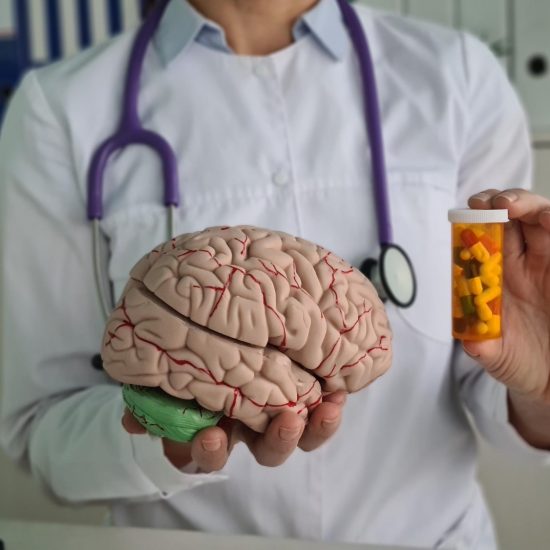
Introduction: The Growing Interest in Cognitive Health
Brain aging concerns millions of adults worldwide as populations continue to age. Scientists continuously search for evidence-based strategies that can help individuals maintain cognitive function throughout their lifetime. While pharmaceutical interventions remain limited, lifestyle modifications show remarkable promise in preserving mental sharpness and reducing age-related cognitive decline.
Recent research has identified volunteering and helping others as powerful tools for maintaining brain health. This discovery adds to the growing body of evidence suggesting that meaningful social engagement plays a crucial role in cognitive preservation.
The Research Findings: Volunteering and Brain Health
Scientists have developed numerous suggestions for activities that can slow brain aging effectively. Research demonstrates that increased physical movement, following the Mediterranean diet, enrolling in adult education classes, and pursuing creative hobbies all contribute to maintaining cognitive sharpness as we age.
However, one particularly impactful activity has emerged from recent studies: volunteering and helping others. The latest research, published in Social Science & Medicine, reveals compelling evidence that altruistic behaviors provide significant cognitive benefits regardless of how the helping occurs.
Formal vs Informal Volunteering Benefits
Both Approaches Deliver Results
The research shows remarkable consistency in cognitive benefits whether individuals participate in formal, structured volunteering programs or simply assist neighbors and friends informally. Regular volunteering opportunities at established organizations provide measurable brain health benefits, but spontaneous acts of kindness and informal community support prove equally valuable.
This flexibility means individuals can choose helping activities that align with their schedules, preferences, and comfort levels. Whether working at a food bank, tutoring students, or helping elderly neighbors with grocery shopping, the cognitive rewards remain substantial.
Extended Benefits Beyond the Activity
The positive effects extend far beyond the immediate time spent volunteering. Benefits persist long after completing a shift at a soup kitchen or spending an hour tutoring a struggling child. This sustained impact makes volunteering particularly valuable compared to activities that only provide temporary cognitive stimulation.
Long-term Cognitive Impact
Cumulative Benefits Over Time
“Everyday acts of support — whether organized or personal — can have lasting cognitive impact,” explained lead author Sae Hwang Han. The research emphasizes that cognitive benefits accumulate progressively with sustained engagement rather than providing only short-term improvements.
Han further noted, “What stood out to me was that the cognitive benefits of helping others weren’t just short-term boosts but cumulative over time with sustained engagement, and these benefits were evident for both formal volunteering and informal helping.”
Building Long-term Cognitive Reserve
This cumulative effect suggests that consistent volunteering throughout middle age and beyond builds cognitive reserve that protects against age-related decline. Regular helpers essentially create a buffer against normal brain aging processes, maintaining mental sharpness longer than non-volunteers.
Why Volunteering Protects Brain Health
Mechanisms of Cognitive Protection
Volunteering engages multiple brain systems simultaneously. Social interaction activates neural networks involved in communication, empathy, and emotional processing. Problem-solving during volunteer activities stimulates executive function. Learning new skills required for different volunteering roles promotes neuroplasticity and creates new neural connections.
The sense of purpose derived from helping others reduces stress and depression, both risk factors for cognitive decline. Additionally, physical activity often incorporated into volunteering opportunities provides cardiovascular benefits that support brain health.
Additional Brain-Healthy Activities
While volunteering shows exceptional promise, researchers recommend combining multiple brain-healthy strategies. The Mediterranean diet rich in omega-3 fatty acids, antioxidants, and healthy fats supports cognitive function. Regular physical exercise increases blood flow to the brain and promotes the growth of new brain cells.
Adult education classes challenge the brain with novel information and skills. Creative hobbies like painting, music, or crafting engage different cognitive pathways. Together with volunteering, these activities create a comprehensive approach to maintaining cognitive health.
Practical Ways to Start Volunteering
Begin with small commitments that match your interests and abilities. Local community centers, libraries, hospitals, and animal shelters constantly need volunteers. Online platforms connect volunteers with opportunities in their areas.
Consider informal helping as an entry point. Assist elderly neighbors, mentor young professionals in your field, or organize neighborhood improvement projects. These activities provide cognitive benefits while building stronger community connections.
Conclusion: Never Too Late to Start
The research provides encouraging news for adults concerned about brain aging. Volunteering offers accessible, affordable, and enjoyable protection against cognitive decline. Whether through formal programs or informal helping, the act of supporting others creates lasting cognitive benefits that accumulate over time. Starting a volunteering practice today can help ensure mental sharpness for years to come.