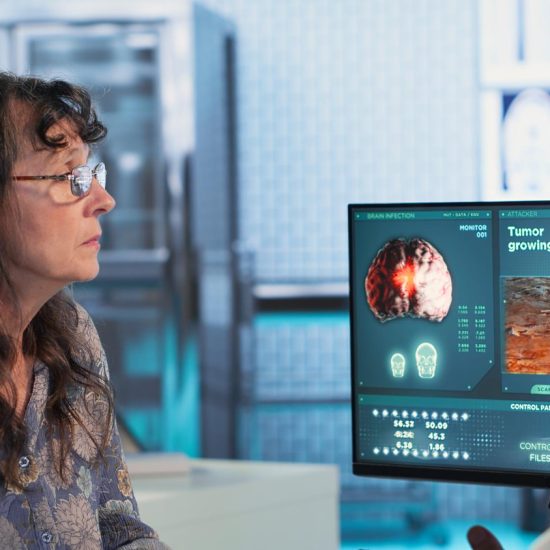
The AI Healthcare Race Intensifies
The artificial intelligence healthcare revolution has reached a critical turning point. Just days after OpenAI launched ChatGPT Health, Anthropic has entered the competitive medical AI arena with Claude for Healthcare. This Amazon-backed AI platform represents a significant shift in how artificial intelligence applications are being developed specifically for the healthcare industry.
Unlike general-purpose chatbots that provide basic health information, Claude for Healthcare is purpose-built for medical use cases. The platform aims to help both individual patients and healthcare professionals understand, organize, and manage complex medical information more effectively. However, Anthropic emphasizes that this technology is not designed to replace human doctors—at least not yet.
What is Claude for Healthcare?
Claude for Healthcare is Anthropic’s specialized AI tool designed exclusively for medical applications. The platform addresses multiple healthcare challenges, from helping patients understand complex test results to streamlining administrative and clinical workflows for medical professionals.
Anthropic positions this healthcare AI solution as a powerful tool that can significantly reduce time spent on paperwork and administrative tasks. The company claims that healthcare providers can redirect their focus toward direct patient care while maintaining strict privacy and security standards for confidential medical information.
Target Users Include:
- Individual patients seeking to understand their health information
- Healthcare professionals managing clinical workflows
- Medical administrators handling billing and documentation
- Healthcare startups looking to automate operations
- Insurance providers processing claims and coverage information
How Claude Healthcare Works
At its foundation, Claude for Healthcare integrates seamlessly with industry-standard medical systems and databases. This integration sets it apart from consumer-focused health chatbots by providing access to professional-grade medical resources.
Medical Database Integration
Anthropic has connected Claude for Healthcare with essential healthcare databases and resources, including:
Centers for Medicare & Medicaid Services (CMS) Coverage Database: This connection allows users to quickly access information about healthcare coverage, including what services are covered under different Medicare and Medicaid plans. This feature proves particularly valuable for patients navigating complex insurance questions.
ICD-10 Medical Codes: The International Classification of Diseases, 10th Revision codes are integrated directly into the platform. This allows healthcare professionals to quickly reference diagnostic codes, improving billing accuracy and reducing administrative errors.
National Provider Identifier Registry: Users can access verified information about healthcare providers, helping patients find qualified professionals and assisting administrators with credentialing processes.
This comprehensive integration enables users to access reliable healthcare information, coverage details, billing codes, and provider verification—all within a single AI-powered platform.
Key Features and Medical Database Integration
For clinicians and healthcare administrators, Claude for Healthcare offers significant time-saving benefits. The platform handles data collection and organization tasks that traditionally consume hours of valuable clinical time.
Administrative Benefits:
- Automated data retrieval from multiple medical databases
- Streamlined billing and coding processes
- Reduced time spent on documentation
- Improved accuracy in medical record keeping
- Enhanced workflow efficiency across departments
By automating these routine tasks, healthcare professionals can dedicate more time to direct patient interaction and clinical decision-making, potentially improving overall care quality.
Personal Health Record Connections
One of Claude for Healthcare’s most innovative features is its ability to connect directly with personal health records and fitness tracking platforms. This functionality transforms how individuals can engage with their own medical information.
Wearable and Health App Integration
Anthropic is rolling out integrations with popular health platforms including Apple Health and Android Health Connect. These connections enable Claude to:
Summarize Medical History: The AI can compile comprehensive overviews of a patient’s medical journey, organizing scattered information from multiple sources into coherent narratives.
Explain Reports in Simple Language: Complex medical terminology and test results are translated into understandable explanations, empowering patients to better comprehend their health status.
Identify Health Metric Patterns: By analyzing data from fitness trackers and health monitors, Claude can spot trends in vital signs, activity levels, and other health indicators.
Prepare Doctor Visit Questions: Based on health data and medical history, the AI helps users formulate relevant questions to maximize the value of clinical appointments.
Importantly, Anthropic emphasizes that these connections are entirely opt-in, and users maintain complete control over data access, with the ability to revoke permissions at any time.
Availability and Access Requirements
Currently, Claude for Healthcare is available exclusively in the United States. Access to personal health record integration requires a subscription to either Claude’s Pro or Max plans.
Subscription Tiers:
- Pro Plan: Provides access to basic healthcare features and personal health record connections
- Max Plan: Offers expanded capabilities for professional use cases and advanced integrations
Subscribers can connect their laboratory results, medical history, and fitness data directly to the AI platform. This phased rollout allows Anthropic to refine the technology while gathering user feedback in a controlled environment.
Privacy and Data Security Measures
Given healthcare’s sensitive nature, Anthropic has implemented robust privacy protections for Claude for Healthcare. The platform operates on HIPAA-ready infrastructure designed to meet stringent United States medical data handling standards.
Key Privacy Commitments
No Training Data Usage: Anthropic assures users that health information shared with Claude is never used to train its AI models. This commitment addresses a major concern among patients and healthcare providers about how medical data might be utilized.
User Control: Individuals maintain complete authority over what information the system can access. This granular permission system ensures patients can selectively share data based on their comfort level.
HIPAA Compliance: The Health Insurance Portability and Accountability Act sets strict requirements for medical data protection. Claude for Healthcare’s infrastructure is built to meet these federal standards from the ground up.
However, Anthropic acknowledges that the true effectiveness of these privacy safeguards will only become clear through widespread use over time. The company remains committed to transparency as the platform evolves.
Claude Healthcare vs ChatGPT Health
While both Anthropic and OpenAI have launched healthcare-specific AI tools, significant differences distinguish their approaches and target audiences.
ChatGPT Health: Consumer-Focused Approach
OpenAI’s ChatGPT Health primarily targets everyday users. The platform focuses on helping individuals:
- Organize personal health questions
- Understand wellness trends
- Receive general health guidance
- Track symptoms and patterns
Claude for Healthcare: Professional Integration
In contrast, Claude for Healthcare serves both individuals and healthcare systems with enterprise-level capabilities:
- Deep integration with medical databases and billing systems
- Support for clinical workflows and administrative processes
- Tools designed for healthcare providers and insurers
- Automation capabilities for healthcare startups
While Claude supports individual users, its primary strength lies in the operational side of medicine. This professional focus positions it as a comprehensive solution for healthcare organizations rather than solely a consumer health assistant.
AI Healthcare Safety Concerns
Despite the promising advances in AI healthcare tools, important safety considerations remain. These systems should complement, not replace, professional medical advice.
Recent Cautionary Examples
A recent Guardian investigation revealed concerning issues with Google’s AI Overviews in healthcare contexts. The generative summaries displayed at the top of search results sometimes produced misleading and potentially dangerous health information in response to medical queries.
This incident highlights critical concerns:
- Accuracy Risks: AI systems can generate plausible-sounding but incorrect medical information
- Trust Issues: Users may over-rely on AI recommendations without seeking professional verification
- Safety Implications: Misleading health guidance could lead to harmful decisions
Following this revelation, Google pulled back some AI Overview features, demonstrating that even major technology companies face challenges in healthcare AI implementation.
Conclusion: The Future of Medical AI
The launch of Claude for Healthcare marks an important milestone in artificial intelligence’s evolution within the medical field. As Anthropic and OpenAI compete to provide better healthcare AI solutions, patients and providers stand to benefit from increasingly sophisticated tools for managing medical information.
However, the healthcare community must approach these innovations with appropriate caution. While AI platforms like Claude for Healthcare offer valuable support for understanding medical information and streamlining workflows, they cannot replace the expertise, judgment, and human connection that healthcare professionals provide.
The coming months will reveal how these AI healthcare platforms perform in real-world settings, whether privacy protections hold up under scrutiny, and how effectively they integrate into existing medical workflows. As this technology matures, finding the right balance between AI assistance and human medical expertise will remain paramount to ensuring patient safety and quality care.