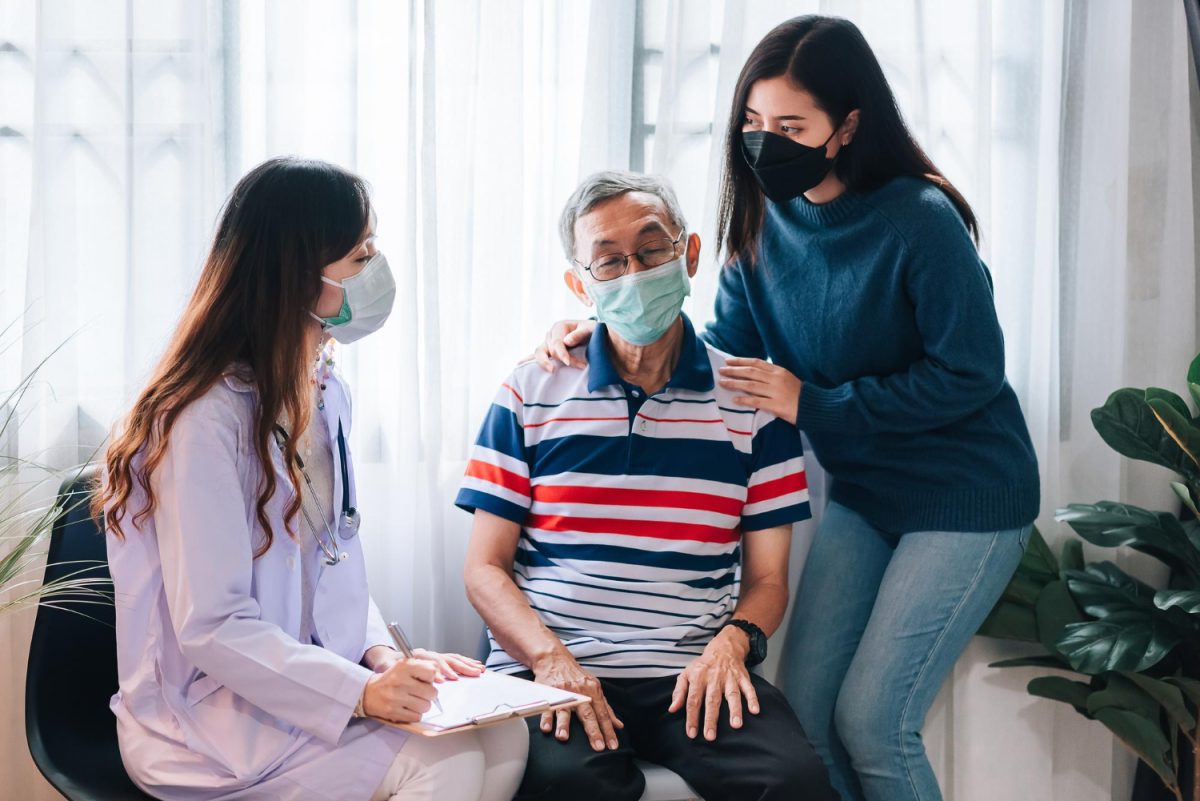
India’s Demographic Transition: A Nation Grows Older
At a time when advances in medical science are increasing life spans faster than societies are learning to cope, aging has emerged as one of the defining public health challenges of our times. India, long perceived as a young nation, is now witnessing a demographic point of inflection that will reshape healthcare, policy, and social structures for generations to come.
The numbers tell a compelling story. India is currently home to approximately 153 million people above the age of 60. By 2036, this figure is projected to surge to around 230 million elderly citizens. Within a decade, nearly one in seven Indians will be over the age of 60, and by mid-century, projections place India’s elderly population close to 347 million. These figures are not merely statistical markers but urgent calls for reflection, planning, and resolution.
Understanding the Scale of Change
This demographic transformation extends beyond India’s borders, representing a historic global shift. In 2019, the number of people aged 60 years and older worldwide stood at about 1 billion. This figure is projected to rise dramatically to 1.4 billion by 2030 and 2.1 billion by 2050. The implications of this aging wave will fundamentally alter how nations allocate resources, design healthcare systems, and structure communities.
Healthcare Systems Face Unprecedented Challenges
From Acute Care to Chronic Disease Management
Health systems that were originally designed to treat specific, acute illnesses now face the sustained challenge of managing long-term conditions associated with aging. Heart disease, diabetes, respiratory disorders, arthritis, osteoporosis, and neurodegenerative diseases require fundamentally different approaches than traditional acute care models.
The elderly population typically experiences multiple chronic conditions simultaneously, a phenomenon known as multimorbidity. This complexity demands coordinated care across multiple specialties, continuous monitoring, and integrated support systems that extend beyond hospital walls into communities and homes.
The Critical Need for Specialized Geriatric Care
Currently, geriatric health is too often treated as a consequence of longevity rather than a distinct domain requiring specialized skills, substantial investment, and dedicated ethical attention. Healthcare professionals need specific training in geriatric medicine, understanding not just the physical ailments of aging but also the psychological, social, and functional challenges that elderly patients face.
Transforming Healthcare Delivery Models
Shifting Focus from Intervention to Prevention
Healthcare must transform its focus from reactive intervention to proactive continuous monitoring and coordinated support. This paradigm shift requires investing in preventive care, regular health screenings, and early intervention strategies that can help elderly individuals maintain independence and quality of life longer.
Community-based health programs, telemedicine capabilities, and home healthcare services must become integral components of geriatric care infrastructure. These approaches not only improve patient outcomes but also reduce the burden on hospital systems and emergency services.
Building Age-Friendly Infrastructure
Beyond medical interventions, India must develop age-friendly infrastructure that supports healthy aging. This includes accessible public spaces, transportation systems designed for mobility challenges, affordable housing options, and social programs that combat isolation and promote mental wellbeing among the elderly.
The Fundamental Question: Quality Over Quantity
The question before India and the world is no longer simply how long people live, but how well our systems are prepared to support life in its later decades. Are we creating environments where elderly citizens can age with dignity, maintain autonomy, and contribute meaningfully to society? Are healthcare systems equipped to provide compassionate, comprehensive care that addresses the full spectrum of aging-related needs?
A Call for Urgent Action
This demographic transformation demands immediate, coordinated action across government agencies, healthcare institutions, private sector organizations, and communities. India must develop comprehensive national policies on aging, increase funding for geriatric healthcare infrastructure, train thousands of specialized healthcare workers, and create social safety nets that protect the most vulnerable elderly populations.
The time to act is now. The decisions made today will determine whether India’s aging population experiences their later years with health, dignity, and grace, or whether millions of elderly citizens face preventable suffering due to inadequate preparation and insufficient resources.