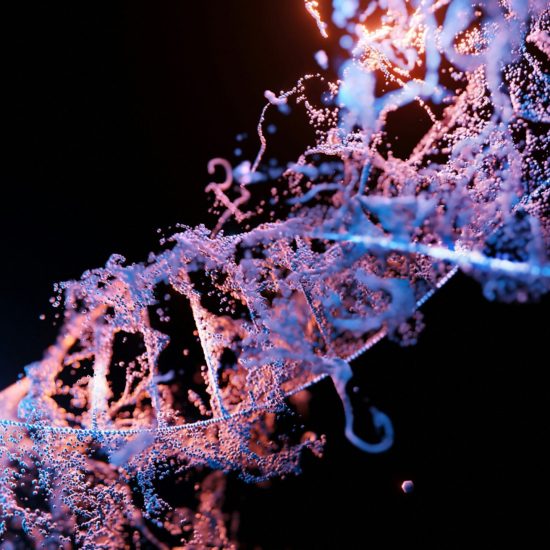
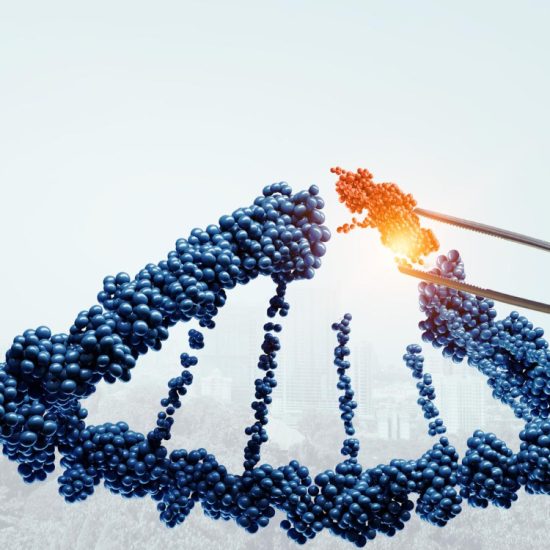
DNA serves as the fundamental blueprint for all living organisms, encoding the precise instructions needed to build and maintain life. Within our cells, proteins act as essential molecular workers, assisting DNA in carrying out critical biological processes including replication, repair, and gene transcription. Under normal cellular conditions, these protein helpers perform their designated tasks and then move away from DNA when their work is complete. However, sometimes proteins become permanently and covalently attached to DNA strands, creating dangerous molecular tangles that scientists call DNA-protein crosslinks, or DPCs.
Understanding DNA-Protein Crosslinks and Their Dangers
When proteins become stuck to DNA, they create serious obstacles that can disrupt vital cellular functions. These unrepaired DPCs act like roadblocks on a highway, preventing the cellular machinery from accessing and processing genetic information properly. If cells cannot remove these toxic tangles in time, the consequences can be severe, leading to disrupted cellular processes, accelerated aging, and even developmental death, as researchers have documented in laboratory mouse models.
The accumulation of these protein-DNA tangles represents more than just a cellular inconvenience. These crosslinks fundamentally compromise the cell’s ability to maintain genome integrity, potentially triggering a cascade of problems including chromosome damage, faulty cell division, and the formation of micronuclei—small fragments of damaged DNA that exist outside the main nucleus.
SPRTN’s Critical Role in Genome Protection
A groundbreaking study published in the prestigious journal Science has revealed that cells rely on specialized repair machinery to maintain genome stability and clear these harmful DPCs. At the center of this protective system is a protein called SPRTN, which serves as the cell’s primary defense against toxic DNA-protein crosslinks.
Previous research had established that SPRTN removes DPCs during the S phase of the cell cycle, the period when DNA replicates to ensure each daughter cell receives an identical genetic blueprint. However, the new findings demonstrate that SPRTN’s protective role extends far beyond DNA replication. The protein also safeguards the genome during the M phase of mitosis—the stage when cells actually divide and separate their chromosomes. This crucial function had remained largely unrecognized until this recent investigation.
The research team’s work revealed that without functional SPRTN, cells experience catastrophic failures. They accumulate increasing numbers of toxic DPCs, struggle to separate chromosomes correctly during division, exhibit chromosome segregation errors, and produce micronuclei filled with damaged genetic material. These defects create a perfect storm of cellular dysfunction that accelerates aging and disease.
The Link Between Sticky Proteins and Disease
While scientists had previously understood SPRTN’s importance in DNA repair during replication, a critical question remained unanswered: how exactly does the loss of SPRTN lead to premature aging in experimental animal models? The research team hypothesized that unresolved DNA damage caused by persistent DPCs might activate the cGAS-STING innate immune pathway, a component of our immune system that can drive chronic inflammation and accelerate aging when inappropriately activated.
To test this hypothesis, researchers employed proteomics, an advanced analytical method that reveals how proteins interact and function within living cells. This sophisticated approach confirmed that SPRTN remains active during mitosis, performing essential protective functions during cell division that had been poorly understood until now.
Breakthrough Research Findings Using Gene Editing
The research team utilized CRISPR/Cas9 gene editing technology to eliminate the SPRTN protein within minutes, allowing them to observe the immediate consequences of its absence. Their experiments definitively demonstrated that unrepaired DPCs activate the cGAS-STING innate immune pathway, triggering inflammation and cellular stress responses.
With this mechanism clarified, the scientists turned their attention to uncovering the connections among unrepaired DPCs, accelerated aging, and disease development. Previous studies had identified inherited mutations in the SPRTN gene as the cause of Ruijs-Aalfs progeria syndrome (RJALS), a rare genetic condition characterized by premature aging and significantly elevated liver cancer risk. These clinical observations suggested that unrepaired DPCs serve as powerful drivers of disease, though the precise mechanisms linking DNA damage to aging remained mysterious.
Implications for Aging and Disease Treatment
The research team recreated RJALS-causing mutations in genetically engineered mouse models, observing that these mutations produced severe cellular defects that closely mirrored the human disease. Most remarkably, when researchers shut down the cGAS-STING pathway—either through genetic modifications or pharmaceutical interventions—they prevented these harmful outcomes entirely, protecting mice from premature aging and early death.
This landmark study establishes that seemingly localized defects in DNA repair can trigger far-reaching consequences, activating immune pathways that fundamentally shape development and aging processes. By identifying and targeting key molecular players in these pathways, scientists can now guide the development of innovative treatments for aging-related conditions and inflammatory diseases linked to DNA damage. These findings open promising new avenues for therapeutic interventions that could extend healthy lifespan and prevent age-associated diseases.