A groundbreaking artificial intelligence tool specifically designed for MRI analysis could transform how neurological conditions are diagnosed in healthcare facilities facing growing patient volumes and physician shortages.
Revolutionary AI Technology for Brain Imaging
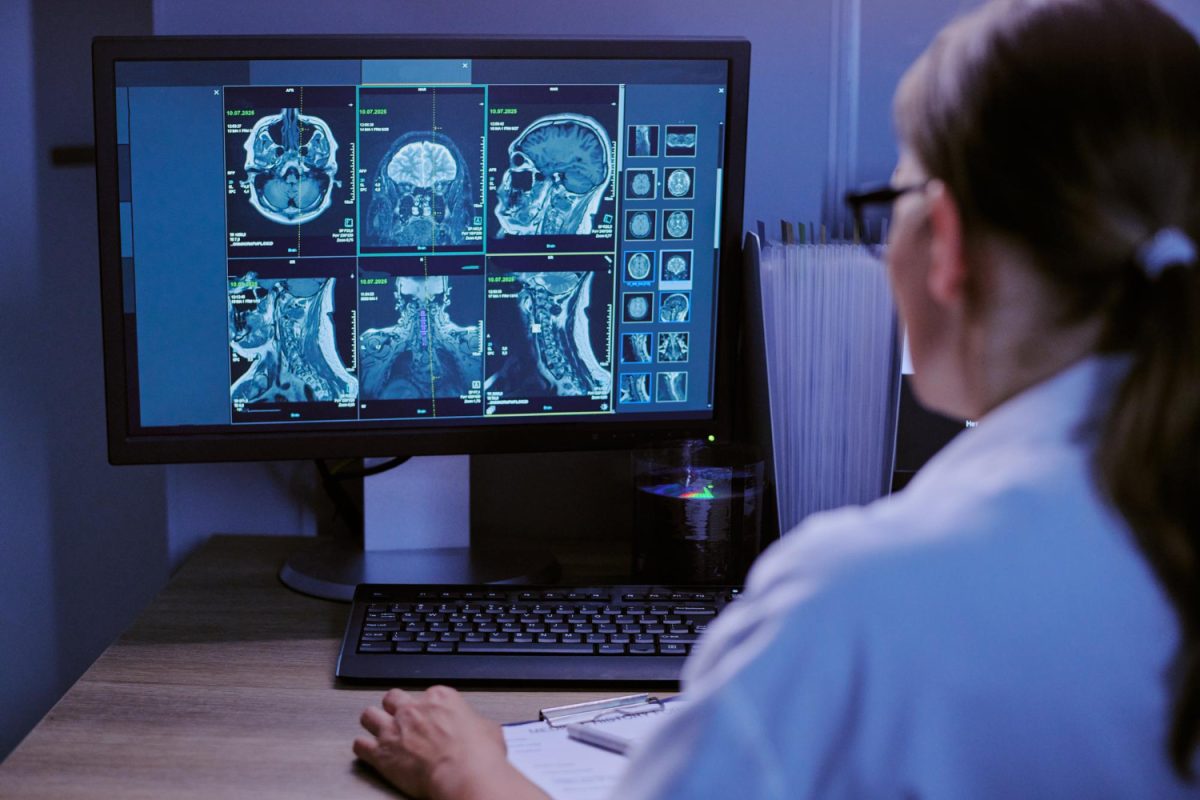
Researchers at the University of Michigan have developed Prima, an advanced video language model that can interpret brain scans in mere seconds. This innovative tool represents a significant leap forward in medical imaging technology, combining the ability to simultaneously process video sequences, static images, and text-based clinical information in real time. The development team believes Prima could provide crucial support to healthcare systems struggling with escalating imaging demands and limited specialist availability.
Addressing Critical Healthcare Challenges
“As the global demand for MRI rises and places significant strain on our physicians and health systems, our AI model has potential to reduce burden by improving diagnosis and treatment with fast, accurate information,” said senior study author Todd Hollon, MD, a neurosurgeon at U-M Health. The tool’s capacity to deliver rapid, accurate assessments could prove particularly valuable in emergency departments and busy radiology practices where timely diagnosis directly impacts patient outcomes.
Comprehensive Training on Massive Dataset
The research team trained Prima using an extensive database of more than 200,000 MRI examinations collected at the University of Michigan over several decades. This robust training dataset included not only imaging data but also patients’ complete medical histories and the clinical indications that prompted each scan. Such comprehensive training enables the AI to understand context and nuance in ways that simple image-recognition systems cannot achieve.
Rigorous Testing and Validation
To validate Prima’s performance, researchers tested the model on more than 30,000 brain studies conducted over a one-year period. This extensive testing phase ensured the system could handle real-world clinical scenarios and diverse patient populations. The results demonstrated remarkable consistency and reliability across various neurological conditions and imaging protocols.
Mimicking Radiologist Workflow
Unlike earlier AI tools that focus narrowly on detecting just one specific disease, Prima was intentionally designed to analyze all available imaging and clinical information simultaneously. This holistic approach mirrors how experienced radiologists review cases, giving the tool broad applicability across multiple neurological conditions and clinical scenarios.
Integrated Clinical Assessment
“Prima works like a radiologist by integrating information regarding the patient’s medical history and imaging data to produce a comprehensive understanding of their health,” explained co-first author Samir Harake, an MD candidate and data scientist in Michigan’s Machine Learning in Neurosurgery Lab. “This enables better performance across a broad range of prediction tasks.” This integration allows the AI to consider factors such as patient age, symptoms, prior conditions, and medication history alongside imaging findings.
Impressive Diagnostic Capabilities
Testing revealed that Prima could accurately identify more than 50 different neurological conditions, including acute strokes, various types of brain tumors, intracranial hemorrhages, multiple sclerosis lesions, and traumatic brain injuries. The system achieved accuracy rates as high as 97.5% across these diverse conditions, matching or exceeding human radiologist performance in many categories.
Intelligent Triage and Alert System
Beyond diagnosis, the system incorporates sophisticated triage capabilities that assess how urgently each patient requires treatment. Prima was specifically configured to automatically alert the appropriate specialist when critical findings are detected, ensuring that time-sensitive conditions like acute strokes or large hemorrhages receive immediate attention. This automated notification system could prove lifesaving in busy emergency departments where critical findings might otherwise face delays in communication.
Transformative Potential for Healthcare Access
Hollon described the tool as “ChatGPT for medical imaging,” emphasizing its potential to significantly ease workflows in resource-strapped healthcare settings. The technology could prove especially transformative in rural areas and underserved regions where neurology specialists may not be immediately available to review imaging studies. By providing expert-level preliminary assessments, Prima could help bridge critical gaps in specialist coverage.
Future of AI-Integrated Healthcare
“We believe that Prima exemplifies the transformative potential of integrating health systems and AI-driven models to improve healthcare through innovation,” Hollon stated. As healthcare systems worldwide grapple with increasing patient volumes, workforce shortages, and rising costs, AI tools like Prima offer promising solutions that could enhance both efficiency and quality of care while supporting rather than replacing human expertise.