


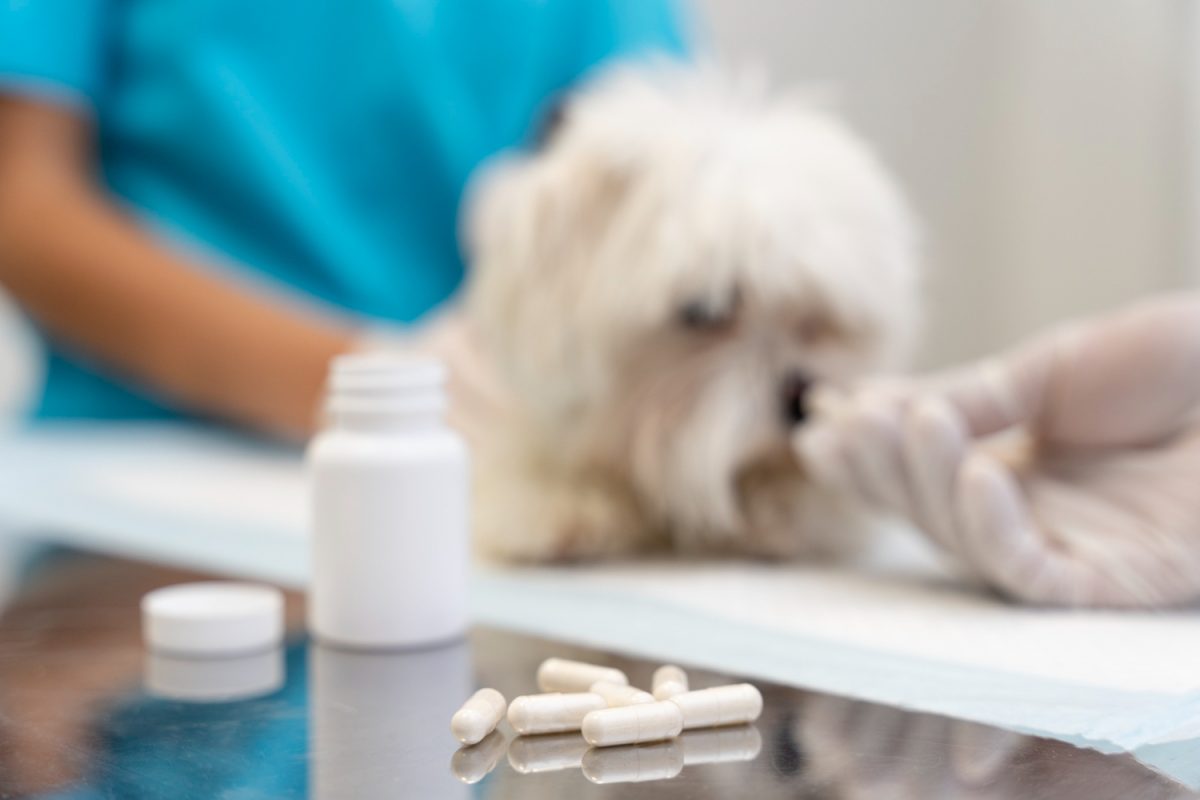
Rising Pet Spending Drives Korea’s Market Boom
Last November, Seoul resident Kim Young-min paid 1.5 million won ($1,056) for a two-month-old Siamese kitten. Within weeks, an unexpected intestinal obstruction sent her to a veterinary clinic in Apgujeong. Surgery and a one-week stay cost over 2 million won, even after a 50 percent discount. Since then, Kim carefully monitors her cat’s diet and spends on premium supplements without hesitation.
“My eighth-grade son is hitting puberty, but thanks to the cat, my relationship with him is great,” Kim said.
Kim’s story reflects a nationwide shift in South Korea. Today, more than 15 million Koreans own pets, and many treat their animals as full family members. Consumers scrutinize nutritional labels on freeze-dried food, check for organic certifications, and invest in probiotic supplements with the same attention they give their own diets. This behavioral change fuels a rapidly expanding healthcare market worth billions.
What Is Petflation?
Petflation refers to the accelerating cost of pet ownership. Veterinary bills, premium food, and grooming services now rise faster than standard inflation. Cultural forces strengthen the trend further. Pets belonging to Korean celebrities — such as BTS member V’s Pomeranian Yeontan and Blackpink’s Rosé’s adopted dog Hank — attract millions of followers worldwide, normalizing high-level pet care as a lifestyle choice.
According to Global Market Insights, South Korea’s pet healthcare market reaches an estimated $2.55 billion in 2025. Analysts project it will surpass $3.2 billion by 2032. Consequently, companies from electronics to religion now chase pet consumers. Samsung opened a pet-focused home appliance store. Buddhist temples introduced pet-friendly temple stays. However, the pharmaceutical sector’s entry marks the most significant structural shift of all.
Pharma Giants Enter Pet Therapeutics
Traditional pharmaceutical and biotechnology companies across Korea now aggressively enter the pet healthcare space. Lower regulatory barriers, faster approval timelines, and vast unmet clinical needs make veterinary medicine an attractive frontier. Together, these factors turn the sector into a fiercely competitive and highly lucrative arena.
Yuhan Corp Leads with Innovative Treatments
Yuhan Corp stands as a pioneer in Korean veterinary medicine. The company introduced GedaCure, a treatment for cognitive impairment in dogs, and AniConju, an osteoarthritis injection for companion animals. Moreover, Yuhan recently partnered with biotechnology firm Vaxcellbio to commercialize Vaxleukin-15 — recognized as the first immunotherapy specifically designed for canine mammary tumors in Korea. Additionally, Yuhan and Vaxcellbio plan to expand the drug’s indications to treat lymphoma in dogs, broadening its clinical value significantly.
Daewoong Pet Expands Globally
Daewoong Pharmaceutical established Daewoong Pet, a dedicated subsidiary focused exclusively on animal health. The unit successfully launched Udiscia Tablets, a targeted treatment for liver diseases in dogs and cats. Furthermore, Daewoong recently expanded into the contract research organization (CRO) business, supporting clinical trials including Phase 3 studies to accelerate veterinary drug approvals. Beyond Korea, Daewoong Pet actively develops atopic dermatitis treatments and prepares to launch pet supplements in Thailand and Japan.
Yuyu Pharmaceutical Targets U.S. Market
Yuyu Pharmaceutical aggressively targets the United States, one of the world’s largest pet markets. The company established a holding entity, Yuyu Venture, in the U.S. to manage two specialized subsidiaries — Yuyu Bio and Mervyn’s Petcare. Yuyu Bio focuses on developing biopharmaceuticals for chronic feline diseases. Meanwhile, Mervyn’s Petcare creates cat-specific health supplements targeting joint, skin, and gut health.
Dong-A Pharmaceutical Launches Vetple Brand
Dong-A Pharmaceutical introduced Vetple, a premium healthcare brand for pets, in 2024. The brand offers customized nutritional products addressing specific health concerns. For dogs, Vetple covers joint, eye, and stress care. For cats, it addresses urinary health, hairball control, and stress management. This targeted approach helps the company serve distinct segments within the broader pet health market.
Regulatory Advantages Accelerate Development
One key reason pharmaceutical companies pivot toward pet healthcare is the favorable regulatory landscape. Developing veterinary drugs typically requires shorter clinical trials and lower overall costs compared to human pharmaceuticals.
In Korea, the Animal and Plant Quarantine Agency regulates veterinary medicines through a streamlined approval pathway. Unlike human drugs — which require protracted, decade-long multi-phase trials with enormous financial investments — veterinary developers can often secure approval by demonstrating safety in the target species and conducting a single, well-designed effectiveness study. This accelerated framework allows companies to adapt proven human drug formulations for animal use without repeating exhaustive early-stage safety evaluations.
Globally, the regulatory environment mirrors this advantage. The U.S. FDA’s Center for Veterinary Medicine does not require the traditional Phase 1, 2, and 3 trial structure for companion animal drugs. Instead, regulators focus on target animal safety and field effectiveness data. Because companion animal medications also exclude the complex food safety and residue depletion studies required for livestock drugs, development timelines remain exceptionally short.
Unmet Needs Create a Massive Opportunity
Despite market growth, a critical gap remains in veterinary medicine. Industry sources estimate that 70 percent of medicines used in veterinary clinics originally target human conditions. Due to the limited availability of drugs formulated exclusively for pets, veterinarians often divide human medicines into smaller doses adjusted by body weight.
As a result, many companion animal treatments rely on active ingredients initially developed for humans or on compounds abandoned during human drug development. This practice highlights the enormous unmet clinical needs in the pet treatment market — and represents a powerful commercial opportunity for companies that move quickly.
Conclusion
South Korea’s pet healthcare market transforms from a niche consumer category into a pharmaceutical battleground. As petflation drives spending and regulatory frameworks lower development barriers, Korean pharma and biotech companies accelerate their veterinary ambitions both domestically and globally. With a market projected to exceed $3.2 billion by 2032, the pet healthcare gold rush in Korea shows no signs of slowing down.





hello world / March 2, 2026
hello world
hello world
/
ciprofloxacin for uti / March 7, 2026
ciprofloxacin for uti
ciprofloxacin for uti
/
lasix pill / March 20, 2026
lasix pill
lasix pill
/
fluconazole over the counter australia / March 31, 2026
fluconazole over the counter australia
fluconazole over the counter australia
/
furosemide 20 mg oral tablet / April 9, 2026
furosemide 20 mg oral tablet
furosemide 20 mg oral tablet
/
lasix medicine for cats / April 13, 2026
lasix medicine for cats
lasix medicine for cats
/
lasix generic brand / April 14, 2026
lasix generic brand
lasix generic brand
/
5mg cialis reddit / April 26, 2026
5mg cialis reddit
5mg cialis reddit
/
zudena tablet / May 3, 2026
zudena tablet
zudena tablet
/
propecia topical cream / May 16, 2026
propecia topical cream
propecia topical cream
/
vardenafil sildenafil combo / May 17, 2026
vardenafil sildenafil combo
vardenafil sildenafil combo
/
ozempic coupon / May 18, 2026
ozempic coupon
ozempic coupon
/
acyclovir cream directions for use / June 1, 2026
acyclovir cream directions for use
acyclovir cream directions for use
/
orlistat otc cvs / June 3, 2026
orlistat otc cvs
orlistat otc cvs
/