



What the Study Found
Science is now one step closer to cracking the code of longevity. A groundbreaking new study has identified dozens of proteins linked to slower aging — found specifically in the blood of centenarians.
Researchers in Switzerland collected blood samples from three distinct groups: healthy younger individuals aged 30 to 60, hospitalized octogenarians aged 80 to 90, and centenarians aged 100 and older. Their goal was to understand how plasma proteins change over time and how those changes affect metabolism, immunity, and overall lifespan.
Scientists measured over 700 proteins in total. Of those, 37 formed a unique profile. According to Flavien Delhaes, a cell physiologist at the University of Geneva and the study’s first author, these proteins were “closer to those of the youngest group than to those of octogenarians.” That figure represents roughly 5 percent of all proteins measured — a small but deeply significant proportion.
“Centenarians do not entirely escape aging,” Delhaes notes. “But certain key mechanisms are significantly slowed down.”
Key Proteins That Slow Aging
Immunity and Cellular Recycling
Many of the 37 identified proteins play a direct role in regulating immunity and metabolism. Several are critical for recycling red blood cells and clearing out dysfunctional proteins — including those associated with neurodegenerative diseases like Alzheimer’s. This cellular housekeeping process helps the body stay functional well into old age.
Programmed Cell Death and Tumor Suppression
Other proteins in the profile trigger apoptosis — a form of programmed cell death that prevents abnormal cells from multiplying. By keeping this process active, centenarians may enjoy natural protection against tumor formation and certain cancers.
Fat Metabolism and Insulin Sensitivity
Some identified proteins are linked to favorable fat metabolism and healthy insulin release. Together, these functions protect against metabolic disorders such as type 2 diabetes and obesity — conditions that significantly shorten lifespan.
The Extracellular Matrix Connection
Proteins also help hold the body together. They do this by maintaining the extracellular matrix — a gelatinous network of minerals, collagens, and other substances that forms the body’s structural “cement.” In centenarians, these matrix-supporting proteins appear to be significantly enriched, which may help preserve tissue integrity and slow physical decline.
The Oxidative Stress Paradox
Free Radicals: Friend and Foe
The study’s most striking results involved five proteins linked to oxidative stress. This type of stress is commonly generated by the body’s own immune responses — and it accelerates aging when left unchecked.
To illustrate: white blood cells produce free radicals to fight pathogens and ward off infection. However, excessive free radical production triggers inflammation and tissue damage. This, in turn, can contribute to autoimmune disorders, cancer, and neurodegenerative diseases. Similarly, dysfunctional mitochondria produce surplus free radicals — much like poorly maintained engines releasing toxic exhaust.
Fewer Antioxidants, Better Outcomes
Here is where the findings become counterintuitive. One might expect centenarians to produce more antioxidant proteins to combat oxidative stress. Instead, they produced fewer antioxidants than the standard geriatric population.
The reason? Lower oxidative stress means less need for antioxidant defenses. In other words, centenarians are not fighting more fires — they simply have fewer fires to begin with. This reflects a state of metabolic balance rather than overcompensation.
Metabolism and Glucose Balance in Centenarians
The GLP-1 Surprise
Another surprising finding involved a protein responsible for degrading GLP-1 — the hormone that triggers insulin release and forms the basis of popular semaglutide medications like Ozempic and Wegovy. Centenarians in the study preserved higher levels of this protein.
“This is also a counterintuitive mechanism,” Delhaes explains. “It suggests that centenarians maintain good glucose balance without needing to produce large amounts of insulin.”
Optimized Metabolism, Not Overactive
Taken together, these findings suggest that centenarians benefit from optimized metabolic health — not from an overactive system struggling to compensate for poor function. Their bodies appear fine-tuned rather than overworked. This distinction is crucial for understanding what healthy aging truly looks like at the biological level.
Inflammaging and Immune System Decline
The study’s results also support the widely discussed “inflammaging” theory. This theory proposes that aging gradually dysregulates the immune system, leading to a persistent, low-grade state of inflammation. Over time, this chronic inflammation contributes to many age-related diseases.
Centenarians appear to sidestep this cycle more effectively than typical older adults. Their protein profiles suggest a more balanced immune response — one that protects without causing excessive collateral damage to healthy tissue.
How to Live Longer Starting Today
Genetics Are Only Part of the Story
Perhaps the most empowering takeaway from this research is that longevity is not purely genetic. According to the study’s authors, the genetic component of longevity accounts for only about 25 percent of outcomes. That leaves a full 75 percent influenced by lifestyle choices made during adulthood.
“Lifestyle during adulthood is a powerful lever: nutrition, physical activity, and social connections,” the researchers note.
Three Habits That Support Longevity
Based on the study’s findings, three lifestyle pillars stand out as especially impactful:
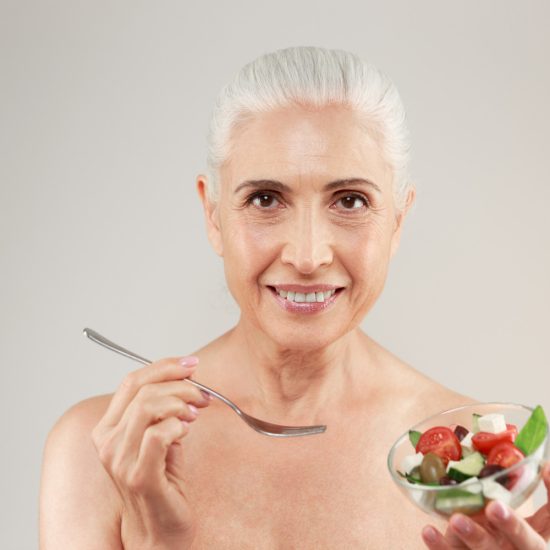
- Eat antioxidant-rich foods — Fruits and vegetables help reduce free radicals in the blood, easing oxidative stress.
- Exercise regularly — Physical activity strengthens the extracellular matrix and supports metabolic health.
- Stay socially connected — Meaningful social interactions protect cognitive function and reduce inflammaging.
The Bottom Line
Centenarians may carry certain biological advantages. Nevertheless, science increasingly confirms that healthy aging is achievable through consistent, intentional daily habits. Even if genetic predispositions and individual variability create obstacles, the most accessible secret to a long life remains the same: take care of yourself.




metoprolol tartrate 25 mg tablet / April 5, 2026
metoprolol tartrate 25 mg tablet
metoprolol tartrate 25 mg tablet
/
vidalista pills / April 26, 2026
vidalista pills
vidalista pills
/
generic stendra online / May 4, 2026
generic stendra online
generic stendra online
/
semaglutid tabletten 50 mg / May 16, 2026
semaglutid tabletten 50 mg
semaglutid tabletten 50 mg
/
viagra austin / May 17, 2026
viagra austin
viagra austin
/
doxycycline used for uti dosage / May 19, 2026
doxycycline used for uti dosage
doxycycline used for uti dosage
/
cialis pharmacy canada / May 29, 2026
cialis pharmacy canada
cialis pharmacy canada
/
acyclovir cream how to apply / May 31, 2026
acyclovir cream how to apply
acyclovir cream how to apply
/
bupropion side effects smoking cessation / June 1, 2026
bupropion side effects smoking cessation
bupropion side effects smoking cessation
/