Introduction
Digital transformation is rapidly reshaping healthcare access and security. However, as healthcare systems adopt more online tools, protecting patient identity becomes critical. Hospitals must ensure that only authorized individuals can access sensitive medical data.
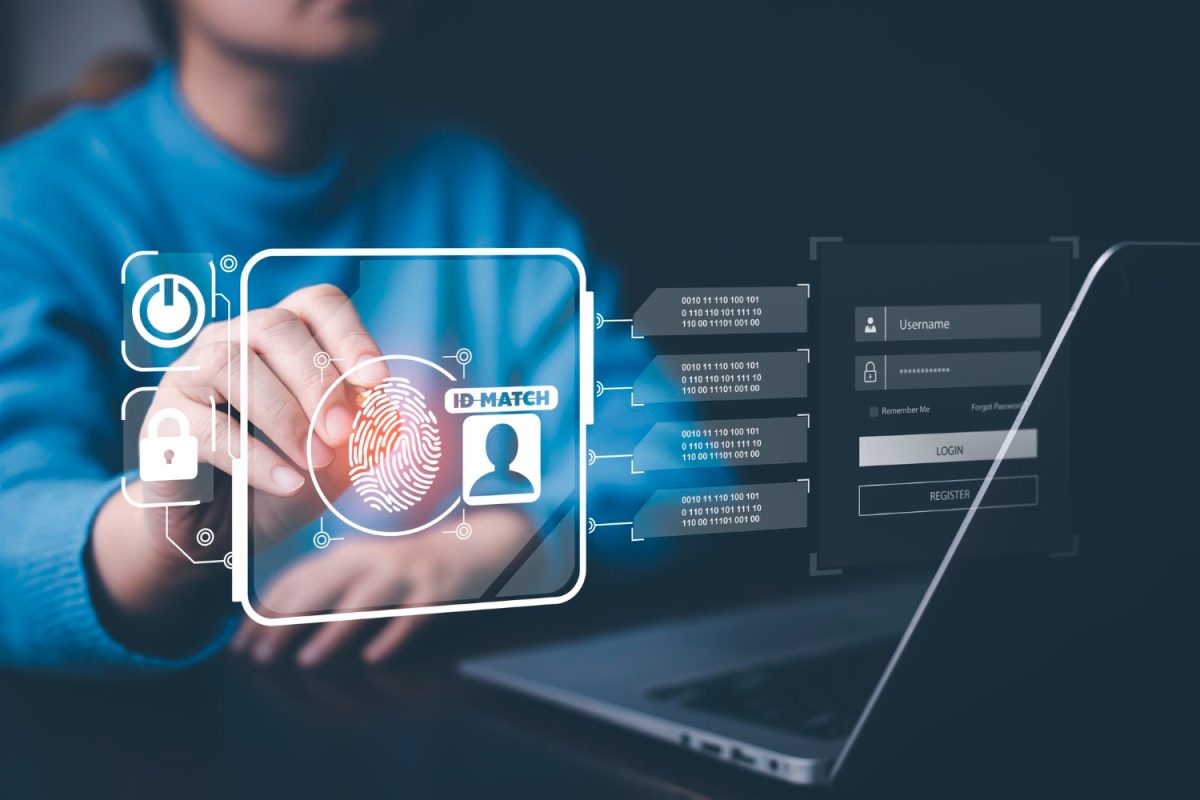
To address this challenge, CLEAR has partnered with Ochsner Health to strengthen identity verification across healthcare services. The collaboration introduces CLEAR’s secure identity platform, CLEAR1, to simplify patient access while improving cybersecurity.
With this initiative, Ochsner aims to create a safer and more seamless digital healthcare experience for patients and staff.
Why Healthcare Needs Strong Identity Verification
Healthcare organizations manage large volumes of sensitive patient information. As a result, protecting identity and preventing unauthorized access remain top priorities.
Traditionally, hospitals relied on manual identity verification. Staff often checked documents or asked security questions. Unfortunately, this process is slow and prone to human error.
Today, digital healthcare services require a more advanced solution. Patients increasingly use online portals to schedule appointments, review records, and communicate with providers. Consequently, healthcare systems must adopt secure digital identity verification tools.
Strong identity platforms can help organizations:
- Reduce fraud and identity theft
- Protect patient health records
- Improve compliance with security standards
- Simplify login and account recovery
Therefore, modern healthcare organizations are investing in trusted identity technologies to protect both patients and clinical systems.
CLEAR and Ochsner Partnership Overview
Ochsner Health serves millions of patients across the Gulf South. The health system operates 47 hospitals and more than 370 health centers with over 40,000 employees and 5,000 physicians.
To strengthen digital security, Ochsner implemented CLEAR’s identity platform, CLEAR1. This platform supports several workflows, including:
- Patient account creation
- Password recovery
- Access to healthcare information
- Employee identity verification
Since the rollout began in January 2026, more than 10,000 patients have already used CLEAR1 to reset their MyOchsner account passwords. The system has achieved a 93% success rate in account recovery, demonstrating strong early adoption.
This early success highlights the growing demand for secure, user-friendly identity verification in healthcare.
How CLEAR1 Improves Patient Access
CLEAR1 helps patients regain access to their healthcare accounts quickly and securely. Instead of calling support teams or answering complex security questions, patients can verify their identity digitally.
The platform performs identity checks and confirms user credentials before granting access. As a result, patients experience fewer delays when accessing their health information.
Furthermore, CLEAR1 integrates directly with healthcare systems such as:
- Electronic health records (EHRs)
- Patient portals
- Clinical access tools
Because of this integration, patients can move between services without repeated identity verification steps.
Another advantage is security certification. CLEAR1 meets high-assurance identity standards, including NIST Identity Assurance Level 2 (IAL2) and Authenticator Assurance Level 2 (AAL2). These standards support trusted healthcare data exchange and strengthen cybersecurity protections.
Consequently, healthcare providers can deliver digital services while maintaining strong patient privacy protections.
Benefits for Healthcare Staff and Systems
While patient access is a major benefit, healthcare staff also gain significant advantages.
First, automated identity verification reduces manual processes. Call center staff spend less time resetting passwords or verifying identities. As a result, administrative workloads decrease.
Second, staff members can access internal systems more efficiently. CLEAR1 also supports employee identity verification and account recovery. This feature helps thousands of healthcare workers securely access clinical tools and information systems.
Third, the platform creates a unified identity system across the organization. Instead of using different verification processes for different applications, healthcare systems can rely on one consistent identity framework.
Overall, these improvements enhance operational efficiency and cybersecurity.
Future Expansion of Digital Identity in Healthcare
The partnership between CLEAR and Ochsner Health represents only the beginning.
Future phases of the rollout will expand CLEAR1 capabilities across the entire Ochsner network. Planned enhancements include:
- Patient account creation for new users
- Expanded employee identity recovery tools
- Broader integration across clinical systems
These upgrades will allow both patients and staff to access healthcare services securely from any location.
Moreover, the broader healthcare industry continues to explore identity verification technologies. As telehealth, digital records, and patient portals expand, secure identity solutions will become essential components of modern healthcare systems.
Conclusion
Healthcare organizations must balance digital convenience with strong security. The partnership between CLEAR and Ochsner Health demonstrates how technology can support both goals.
By implementing CLEAR1, Ochsner improves patient access, reduces administrative workload, and strengthens identity protection. Patients can now recover accounts faster, while healthcare staff gain secure access to the tools they need.
As digital healthcare continues to evolve, identity verification platforms will play a crucial role in protecting sensitive data and improving the patient experience.