Drug discovery has long been a slow, costly process — and researchers in low-income countries have faced the steepest barriers. Now, a bold new AI drug discovery platform is changing that reality. Launched by Medicines for Malaria Venture (MMV) and deepmirror, the platform — called dd4gh (Drug Design for Global Health) — offers free access to eligible scientists worldwide. This initiative marks a major step toward making advanced research tools available to those who need them most.
What Is the dd4gh Platform?
A Free Tool for Eligible Researchers
The dd4gh platform is a purpose-built AI drug discovery tool designed specifically for global health research. MMV and deepmirror developed it to remove long-standing cost and infrastructure barriers. Consequently, scientists in resource-limited settings can now access cutting-edge technologies that were previously out of reach. Free access is extended to eligible researchers across the globe, making this one of the most inclusive launches in health research history.
Diseases the Platform Targets
Tackling Neglected and High-Burden Conditions
The AI drug discovery platform focuses on diseases that disproportionately affect vulnerable populations. These include:
- Malaria — one of the deadliest infectious diseases in sub-Saharan Africa
- Tuberculosis — a leading cause of death in low-income countries
- Neglected tropical diseases (NTDs) — conditions that affect over one billion people globally yet receive limited research funding
Moreover, these conditions share a common challenge: they attract less commercial investment because the populations they affect cannot afford high-cost treatments. The dd4gh platform directly addresses this funding and access gap.
How the AI Technology Works
Predictive and Generative AI in Action
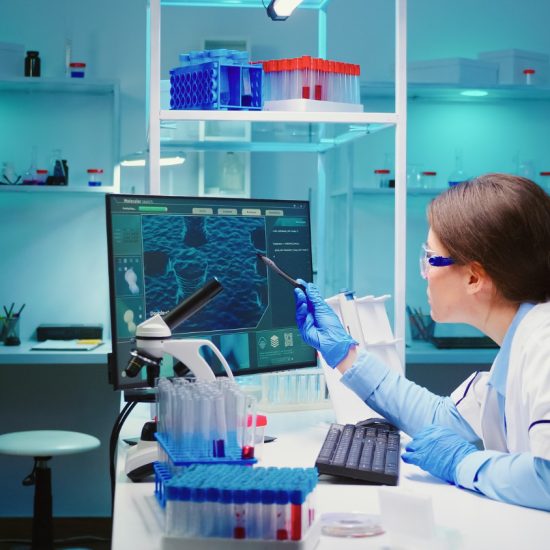
The platform integrates two powerful forms of artificial intelligence. First, predictive AI analyzes large datasets to identify compounds most likely to become effective drug candidates. Second, generative AI helps create and explore new molecular structures. Together, these tools allow researchers to work faster and smarter.
Active Learning Keeps the System Sharp
Additionally, the platform uses active learning — a method that lets the system refine its predictions as new data comes in. This means the AI improves continuously, becoming more accurate over time. As a result, researchers can prioritize compounds with the highest probability of success. This approach substantially reduces the time and expense typically associated with traditional drug discovery workflows.
Built With Global Researchers in Mind
Workshops in Ghana and Switzerland Shaped the Tool
MMV and deepmirror did not build this platform in isolation. Instead, they held collaborative workshops with global health scientists in both Ghana and Switzerland. These sessions ensured the platform reflects real-world research needs in high-burden settings, not just the priorities of well-funded institutions. Furthermore, the platform trains its AI models on diverse datasets drawn from multiple global health studies. This breadth of data makes the tool more useful for scientists working across varied geographic and epidemiological contexts.
Bridging the Equity Gap in Drug Development
Access Has Historically Favored Wealthier Institutions
Advanced AI drug discovery tools have traditionally served only well-resourced organizations. High costs and inadequate digital infrastructure have kept scientists in lower-income countries on the sidelines. The dd4gh platform challenges this status quo. By offering free access, it empowers researchers in underserved regions to drive innovation in the diseases affecting their own communities. Therefore, the launch is as much about scientific equity as it is about scientific advancement.
Reducing Dependence on Resource-Intensive Methods
Traditional drug discovery requires extensive laboratory infrastructure, repeated physical trials, and significant funding. AI-driven approaches significantly reduce this dependence. Researchers using dd4gh can identify viable drug candidates faster, without needing the same volume of costly lab work. This shift could prove especially transformative for countries where laboratory resources are scarce.
What This Means for the Future
A More Inclusive Global Research Ecosystem
The launch of dd4gh signals a broader shift in how the global scientific community approaches disease research. Widening access to AI drug discovery tools builds a more inclusive research ecosystem. Scientists from all regions can now contribute meaningfully to solving the world’s most pressing health challenges. Furthermore, as global health systems face growing pressure from emerging infectious diseases, tools like dd4gh could accelerate the delivery of life-saving therapies at scale.
Faster Treatments for the Populations That Need Them Most
Ultimately, the greatest measure of this platform’s success will be its real-world impact. If dd4gh enables researchers in Ghana, India, or Brazil to identify a viable malaria or tuberculosis drug candidate faster, that translates directly into lives saved. The platform represents a compelling proof of concept: AI can serve equity as powerfully as it serves efficiency.