From US Medicaid reform to South Korean supply bans, global health is moving fast. Drug breakthroughs, biotech listings, and a consumer safety probe round out a week of major developments. Here is what you need to know.
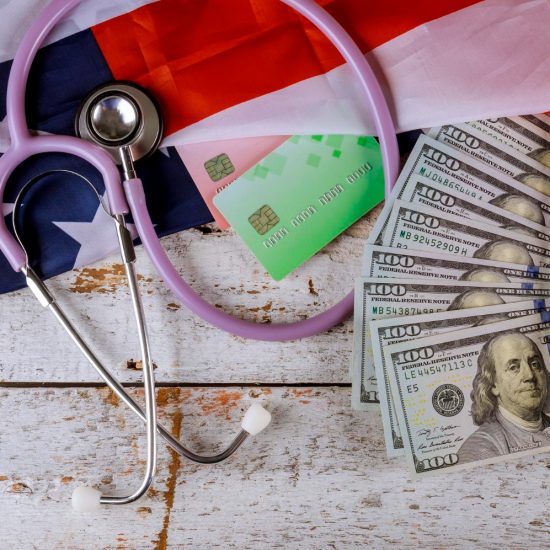
Medicaid Work Rules Leave States in Limbo
Trump Administration Sets New Eligibility Demands
The Trump administration has introduced new Medicaid work requirements. However, states and insurers are still waiting for the operational details needed to implement them. The rules require Americans to work, volunteer, or participate in job training to qualify for Medicaid benefits.
Funding Gap Raises Serious Concerns
Federal authorities designated only $200 million to support the rollout. Industry experts say this falls far short of what states actually need. Consequently, health administrators face an enormous implementation challenge with limited resources. Moreover, the timeline remains unclear, leaving millions of low-income beneficiaries in uncertainty about their future coverage. States must now weigh compliance costs against existing budget pressures, which adds further strain to already stretched Medicaid programs.
South Korea Acts to Prevent Medical Supply Crisis
Government Bans Stockpiling of Critical Supplies
South Korea has moved decisively to prevent shortages in hospitals. Authorities enacted a formal ban on stockpiling medical needles and syringes. The government took this action after meeting with industry stakeholders. Supply chain disruptions and rising plastic prices were at the centre of those discussions.
Geopolitical Tensions Strain Raw Material Flows
Oil price volatility driven by geopolitical tensions is pushing up the cost of plastics. Since medical-grade syringes rely on plastic components, manufacturers face tighter margins. As a result, hoarding behaviour among distributors had begun to threaten hospital supply chains. The ban aims to stabilise availability and ensure fair distribution across the healthcare system. Additionally, authorities are monitoring import pipelines to intervene early if shortages worsen.
Breakthrough Drug Trials Offer New Hope
Spyre Therapeutics Advances Ulcerative Colitis Treatment
Spyre Therapeutics reported encouraging results from its ulcerative colitis drug trial. The drug targets inflammatory bowel disease, which affects millions globally. Early trial data suggests the treatment could offer a meaningful improvement over existing therapies. Furthermore, the biopharmaceutical sector has responded positively to the findings, boosting investor confidence.
Revolution Medicines Targets Pancreatic Cancer
Revolution Medicines also delivered promising news this week. Its experimental pill for pancreatic cancer showed encouraging outcomes in clinical trials. Pancreatic cancer is notoriously difficult to treat, so any progress in this area carries significant weight. The results therefore represent a meaningful step forward for patients with limited treatment options. Researchers will continue monitoring outcomes as trials advance to later phases.
Biotech IPO Boom Reshapes Health Markets
Alamar and Kailera Seek Market Listings
The biopharmaceutical sector is experiencing a strong wave of IPO activity. Companies like Alamar and Kailera are pursuing substantial market valuations as they move toward public listings. This trend reflects renewed investor appetite for health innovation despite broader market uncertainties.
What This IPO Surge Signals for Healthcare
A busy IPO pipeline signals that capital is actively flowing into biotech. Firms with credible drug pipelines are finding willing investors. Thus, the broader healthcare market stands to benefit from the funding and competition that new listings generate. In turn, this activity could accelerate timelines for drug development and patient access to novel therapies.
Texas Probes Lululemon Over Hazardous Chemicals
State Investigation Targets Activewear Industry
Texas is investigating Lululemon over concerns about hazardous chemicals in its activewear. The probe highlights growing scrutiny of performance fabric manufacturing and the use of substances like PFAS, commonly known as forever chemicals. Regulators are examining whether the products meet consumer safety standards.
Broader Implications for the Apparel Sector
This investigation extends beyond a single brand. It signals that state authorities are increasingly willing to challenge large retailers on product safety. Consumers and health advocates have long raised concerns about chemical exposure from synthetic sportswear. Therefore, the outcome of this probe could set important precedents for the entire activewear industry going forward.