Recovery after a serious illness or injury is rarely straightforward. Patients often leave acute hospital settings still needing intensive, specialized support. PAM Health steps in at exactly that critical moment — offering post-acute care that is built around each individual patient’s needs. Moreover, its model is actively reshaping what rehabilitation looks like across the United States.
What Is Post-Acute Care?
Post-acute care refers to the medical and rehabilitative services patients receive after a hospital stay. Consequently, it serves as the bridge between inpatient hospitalization and a full return to everyday life. Without this transition, patients face higher risks of readmission, complications, and slower recoveries.
Who Needs Post-Acute Care?
Patients recovering from strokes, spinal cord injuries, traumatic brain injuries, complex wounds, and major surgeries commonly need post-acute care. Additionally, individuals managing chronic conditions such as multiple sclerosis or Parkinson’s disease benefit significantly from this level of support.
How PAM Health Personalizes Recovery
PAM Health does not apply a one-size-fits-all approach. Instead, its clinical teams design individualized care plans from the moment a patient arrives. Furthermore, each plan reflects the patient’s specific diagnosis, goals, and daily challenges.
A Multidisciplinary Team Model
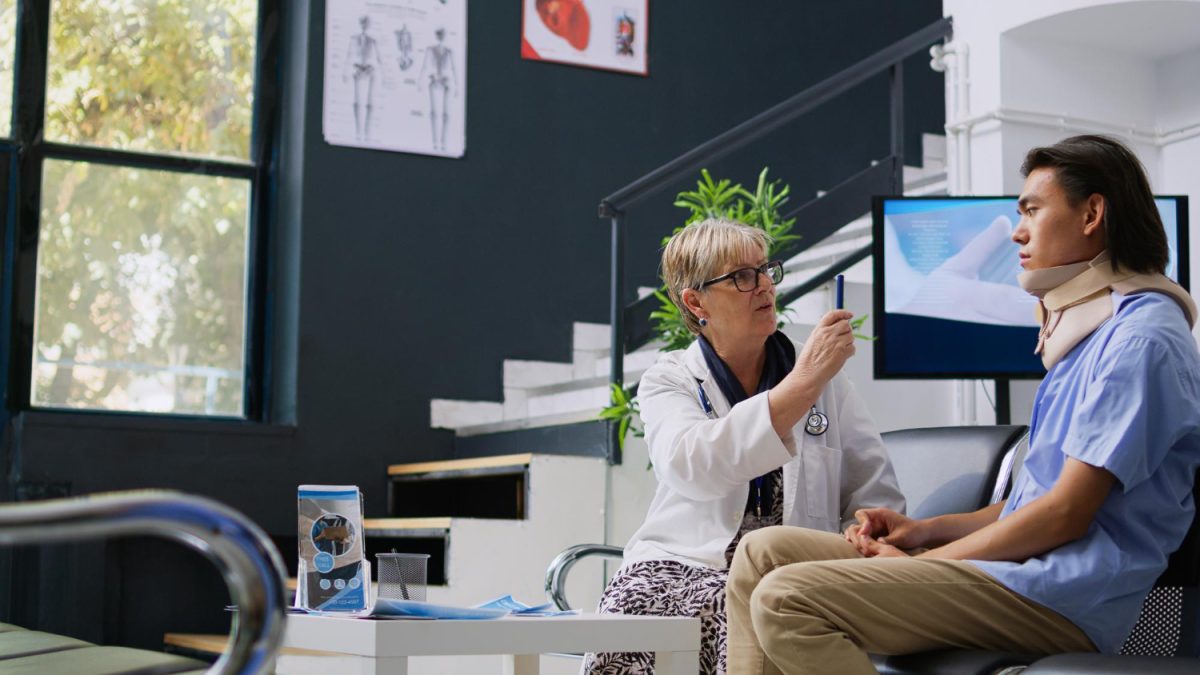
At PAM Health, specialists from nursing, therapy, wound care, and medicine collaborate closely on every case. This team-based structure ensures that no aspect of a patient’s recovery is overlooked. As a result, patients receive coordinated, comprehensive attention throughout their entire stay.
Three Hours of Daily Therapy
A defining feature of PAM Health’s rehabilitation model is its commitment to three hours of therapy per day. This intensive schedule accelerates healing and builds strength faster than lower-intensity programs. In addition, patients consistently report that this structured routine keeps them motivated and engaged in their own recovery.
Core Services That Set PAM Health Apart
PAM Health operates a national network of long-term acute care hospitals and inpatient rehabilitation hospitals. Its outpatient clinics extend care even after discharge. Together, these services cover the full continuum of post-acute recovery.
Specialized Treatment Programs
- Physical Therapy — restores movement, strength, and coordination
- Occupational Therapy — rebuilds the ability to perform daily activities independently
- Speech Therapy — addresses communication, swallowing, and cognitive challenges
- Wound Care — delivers advanced treatment for complex or non-healing wounds
- Ventilator Weaning — supports patients transitioning off mechanical ventilation
The PAM Health Patient Experience
Beyond clinical outcomes, PAM Health invests deeply in the patient experience. Staff treat patients as individuals, not simply as cases. Notably, many patients describe feeling more like welcomed guests than hospital patients during their stay.
Comfort, Dignity, and Flexibility
The environment at PAM Health facilities is designed to feel less clinical and more supportive. Flexible therapy scheduling, quality meals, and attentive nursing staff all contribute to an atmosphere where patients feel respected. Because recovery is physically and emotionally demanding, this culture of dignity makes a measurable difference.
Why Personalized Rehabilitation Matters
Research consistently shows that tailored rehabilitation plans produce better outcomes than standardized protocols. Personalized care reduces hospital readmissions, shortens recovery timelines, and improves long-term quality of life. Therefore, PAM Health’s investment in individualized treatment is not simply a patient-experience priority — it is a clinical one.
Building Independence, Not Dependency
PAM Health’s goal is always to restore independence. Every therapy session, every care decision, and every conversation with staff points toward the patient’s eventual return to home and community life. This commitment distinguishes PAM Health from facilities that focus narrowly on symptom management.
How to Access PAM Health Services
PAM Health serves patients across dozens of locations nationwide. Referrals come from acute care hospitals, physicians, and case managers. Families and patients can also reach out directly to explore care options.