


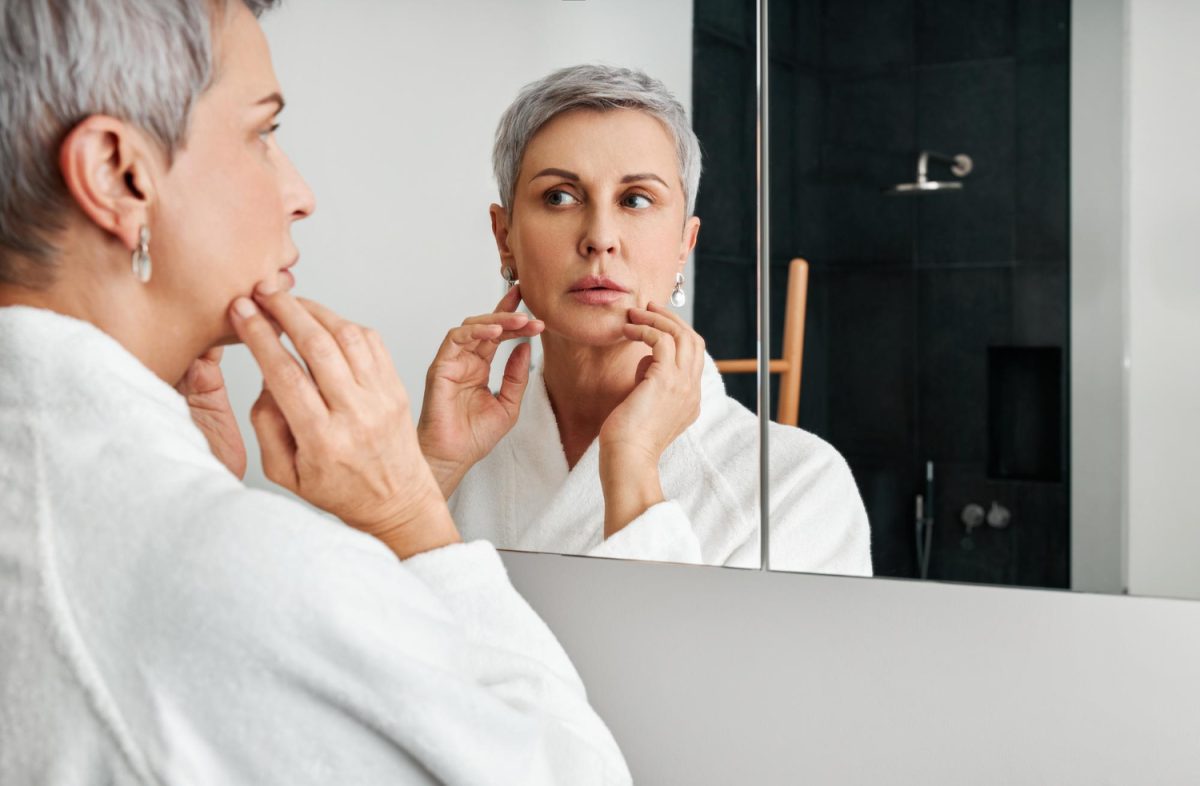
What Is “Ozempic Face”?
GLP-1 receptor agonists like semaglutide and tirzepatide have transformed weight management for millions of patients. However, these medications carry an increasingly visible side effect: accelerated facial aging. Clinicians and researchers now call this phenomenon “Ozempic face.”
As more patients turn to GLP-1 medications for diabetes and weight control, changes in facial appearance have become a growing concern. Rapid fat loss triggers hollowed cheeks, deepened wrinkles, sagging skin, and a generally older-looking face. Moreover, prominent cheekbones can emerge as skin loses its underlying support structure.
This trend carries significant implications—not just for patients, but also for managed care leaders who oversee treatment adherence, patient expectations, and downstream demand for aesthetic procedures.
Why GLP-1 Drugs Cause Facial Aging
Fat Loss Deflates the Face
GLP-1 medications accelerate subcutaneous fat loss throughout the body. Unfortunately, the face is not spared. When facial fat disappears, the skin has nothing to support it. The result is a deflated, prematurely aged appearance—hollow temples, sunken cheeks, and more pronounced nasolabial folds.
Unlike body fat loss, which patients often welcome, facial volume loss can be distressing. Cheeks lose fullness, skin begins to sag, and wrinkles deepen faster than expected.
Skin Elasticity Cannot Keep Pace
Rapid weight loss compounds the problem because skin cannot retract quickly enough. Collagen and elastin levels naturally decline with age. Therefore, when fat disappears suddenly, the skin lacks both the time and the biological resources to adjust. This leads to loose, sagging skin—particularly in the lower face and neck.
Cellular Mechanisms Beyond Fat Loss
Research published in peer-reviewed literature reveals that the problem extends beyond simple fat loss. GLP-1 receptors are expressed on dermal white adipose tissue (DWAT)—a skin layer that plays a key role in collagen production. When GLP-1 medications stimulate these receptors, they reduce the activity of adipose-derived stem cells (ADSCs).
Consequently, ADSCs produce fewer protective cytokines and less collagen. Additionally, GLP-1 drugs reduce estrogen output from DWAT, further limiting fibroblasts’ ability to generate collagen. Together, these mechanisms accelerate the skin aging process at a cellular level—beyond what fat loss alone would explain.
Bone Loss Adds Another Layer
Rapid weight loss can also cause minor bone resorption in the face. This loss of structural support deepens eye sockets, widens nasolabial folds, and produces a more skeletonized facial appearance. Thus, patients are dealing with simultaneous losses of fat, collagen, and bone density—all contributing to visible aging.
Who Faces the Highest Risk?
Age Is a Primary Factor
New York plastic surgeon Konstantin Vasyukevich, M.D., has identified several risk factors for developing pronounced facial changes. Older patients are generally at higher risk. Specifically, someone in their 40s or 50s is far more likely to experience noticeable aging changes than a patient in their 30s.
Skin Quality and Weight Loss Volume Matter
Beyond age, the following factors influence how severely “Ozempic face” presents in any individual patient:
- Baseline skin quality and soft tissue condition
- Total amount of weight lost during treatment
- Speed of weight loss progression
- Genetic predisposition and overall skin health
- Hydration and nutritional status during treatment
Furthermore, patients who lose weight rapidly without building muscle tend to experience more dramatic facial changes. Strength training during GLP-1 therapy can help maintain facial tone and produce a fuller, healthier overall appearance.
How This Affects Patient Decisions
Appearance Concerns Can Drive Non-Adherence
One of the most clinically significant findings is that appearance-related concerns can push patients away from medically necessary treatment. Vasyukevich notes that some patients consider stopping GLP-1 medications entirely because of how their faces have changed.
This dynamic creates a serious clinical and coverage challenge. Payers may not always recognize that a patient’s decision to stop therapy could stem from cosmetic concerns rather than medical ones. Yet the downstream effects of non-adherence—uncontrolled diabetes, cardiovascular risk, and obesity-related complications—are far costlier than addressing the aesthetic side effects.
What Healthcare Leaders Must Know
Downstream Demand for Aesthetic Care Is Rising
For managed care executives and health plan leaders, the “Ozempic face” trend has direct operational implications. As GLP-1 prescriptions continue to grow, demand for cosmetic consultations, dermatology visits, and aesthetic procedures will rise in parallel.
Notably, the aesthetic procedures most associated with correcting GLP-1-related facial changes include:
- Injectable fillers to restore lost volume in cheeks and temples
- Microneedling and radiofrequency treatments for skin tightening
- CO2 laser therapy to improve skin texture and firmness
- Surgical options such as brow lifts, blepharoplasty, and facelifts
- Autologous fat grafting to restore structural support using the patient’s own fat
Clinicians advise waiting until a patient has reached their weight loss goal before pursuing surgical correction. This ensures the face has stabilized before procedures are performed.
Managing Appearance Concerns Without Stopping Treatment
Lifestyle Strategies Help
Patients and clinicians can take proactive steps to minimize facial aging during GLP-1 therapy. Gradual weight loss—rather than rapid reduction—gives the skin more time to adjust. Additionally, strength training preserves muscle mass, which supports both body composition and facial tone.
A strong skincare routine also plays a meaningful role. Products containing hyaluronic acid, retinol, and growth factors can help improve skin texture and firmness. Sun protection is equally critical, since UV radiation accelerates collagen breakdown and compounds the aging effects of fat loss.
The Medical-Cosmetic Balance
Vasyukevich draws a clear line between GLP-1 use for legitimate medical purposes and use purely for cosmetic weight loss. For patients managing diabetes, cardiovascular disease, or obesity-related conditions, the medical benefits clearly outweigh the cosmetic risks. However, prescribers should proactively counsel patients about facial changes before they begin therapy—so appearance-related concerns don’t derail medically necessary treatment.
Conclusion
GLP-1 medications deliver powerful health benefits for millions of patients. Yet their potential to accelerate facial aging is a clinical reality that patients, providers, and payers can no longer overlook. Rapid fat loss, cellular skin aging, and reduced collagen production combine to produce the “Ozempic face” effect. Managed care leaders should prepare for rising demand for aesthetic consultations and build strategies to support treatment adherence despite cosmetic side effects. Ultimately, keeping patients on medically necessary therapy while addressing their appearance concerns represents the most balanced path forward.





Pingback: GLP-1 Weight Loss Drugs May Accelerate Facial Aging - Health & Wellness News / May 3, 2026
/