What the Research Says
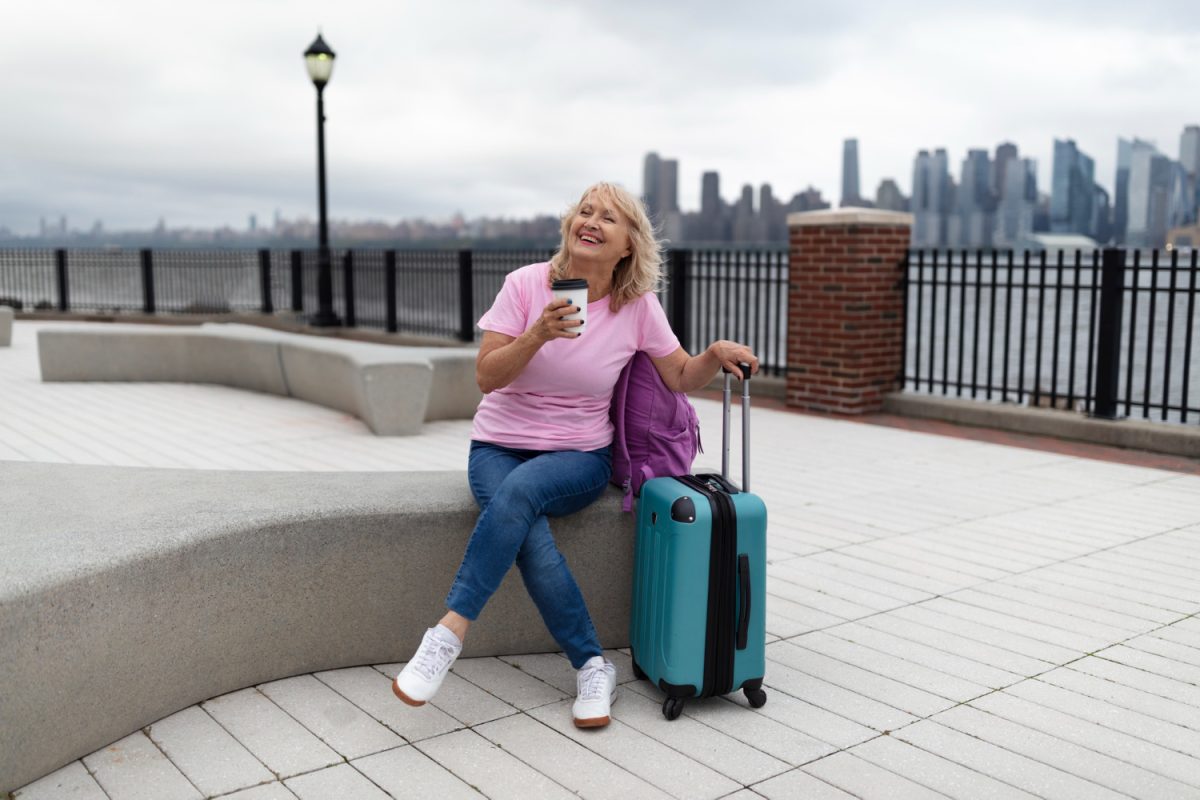
Forget the retinol creams. Scientists at Edith Cowan University (ECU) now suggest that travel may be one of the most powerful anti-aging tools available. A 2024 interdisciplinary study, published in the Journal of Travel Research, applied the theory of entropy to tourism. The findings are striking: positive travel experiences may support both physical and mental health in ways that slow some signs of aging.
Importantly, the study does not claim that travel can stop aging altogether. Instead, it frames tourism as more than a simple break from routine. Travel, when done right, may help the body maintain balance, resilience, and its own capacity for repair.
Understanding Entropy and the Body
What Is Entropy in Health Terms?
Entropy describes the natural tendency of systems to move toward disorder over time. In health, this concept applies directly to the body. As we age, biological systems gradually lose their ability to stay organized and function efficiently. This drift toward disorder is, in essence, what aging looks like at a cellular level.
ECU PhD candidate Ms. Fangli Hu explains it clearly: “Aging, as a process, is irreversible. While it can’t be stopped, it can be slowed down.”
Where Travel Fits In
Positive travel experiences may reduce the body’s drift toward disorder. Conversely, stressful or unsafe travel can push the body further into a state of dysfunction. The key, therefore, lies not just in traveling — but in traveling well.
How Travel Supports Four Body Systems
1. The Immune System
New environments stimulate the body in unique ways. Unfamiliar surroundings raise metabolic activity and activate self-organizing processes within the body. Moreover, exposure to new settings may prompt the adaptive immune system to become more alert and responsive. According to Ms. Hu, this reaction strengthens the body’s ability to detect and defend against outside threats.
2. The Self-Healing System
Travel that combines novelty with relaxation may trigger the release of hormones that support tissue repair and regeneration. As Ms. Hu notes, “The self-defense system becomes more resilient. Hormones conducive to tissue repair and regeneration may be released and promote the self-healing system’s functioning.”
3. The Metabolic System
Travel also keeps people moving. Trips frequently involve walking through cities, hiking trails, cycling, and exploring on foot. This physical activity increases metabolism, energy use, and nutrient transport throughout the body — all of which support the systems that keep us repaired and resilient.
4. The Anti-Wear-and-Tear System
Recreational activities during travel ease tension in muscles and joints. Furthermore, moderate physical activity supports metabolic balance and strengthens the body against everyday wear and tear. In Ms. Hu’s words, “Moderate exercise is beneficial to the bones, muscles, and joints in addition to supporting the body’s anti-wear-and-tear system.”
Movement, Stress Relief, and Healthy Aging
Why Staying Active on Vacation Matters
Most people move far more during travel than in their daily routines. Walking tours, beach hikes, and city exploration all count as meaningful physical activity. This movement, in turn, boosts circulation, accelerates nutrient delivery, and helps the body eliminate waste more effectively. Together, these effects actively support healthy aging from within.
How Travel Reduces Chronic Stress
Chronic stress accelerates aging. It keeps the immune system overactivated and disrupts the body’s ability to recover and repair. Travel, however, offers a natural break from stress triggers. Relaxing experiences calm inflammation, ease muscle fatigue, and restore the nervous system. Consequently, even a short, restorative trip can produce measurable benefits for overall health.
Social connection is another key factor. Travel encourages interaction with new people and cultures. Strong social bonds are closely linked to longevity. Therefore, the social dimension of travel adds yet another layer of protection against premature aging.
Travel Therapy as a Health Intervention
An Emerging Field with Real Promise
Since the 2024 study, follow-up research has continued to build the case for travel therapy. A 2025 research note by Ms. Hu and colleagues described travel therapy as an emerging approach in which positive travel experiences actively promote wellbeing. Additionally, a 2025 systematic review confirmed that tourism and healthy aging represent a growing interdisciplinary research area — though researchers agree that stronger methods and clearer frameworks are still needed.
Wellness Tourism Already Embraces This Logic
Wellness tourism, yoga retreats, and health-focused travel have long operated on similar principles. Now, science is catching up to validate what many travelers already sense intuitively: a good trip does not just recharge the mind — it also supports the body.
Ms. Hu summarizes the broader vision well: “Tourism isn’t just about leisure and recreation. It could also contribute to people’s physical and mental health.”
The Risks You Cannot Ignore
Travel is not automatically healthy. Tourists face real risks — infectious diseases, accidents, unsafe food and water, and unexpected violence. Poor planning can turn a restorative trip into a source of significant physical and psychological stress.
The researchers are direct about this tension. Negative travel experiences may actually accelerate the body’s drift toward disorder rather than slow it. Ms. Hu specifically cites COVID-19 as a stark example of how tourism can, under the wrong conditions, fuel public health crises rather than prevent them.
The message, then, is nuanced but clear: the health benefits of travel depend heavily on the quality of the experience. Safe, active, and socially engaging trips offer the strongest protective effects. Poorly planned or high-stress travel can negate them entirely.
Key Takeaways
Travel may do far more than create lasting memories. When it includes novelty, physical activity, relaxation, and genuine social connection, it actively supports the body’s ability to stay organized, resilient, and healthy. Researchers now frame this as a meaningful — if still emerging — tool in the broader effort to promote healthy aging.
As the science develops, the most important takeaway is straightforward: travel thoughtfully, stay active, connect with others, and choose experiences that restore rather than exhaust. Your next trip might just be doing more for your health than you ever realized.