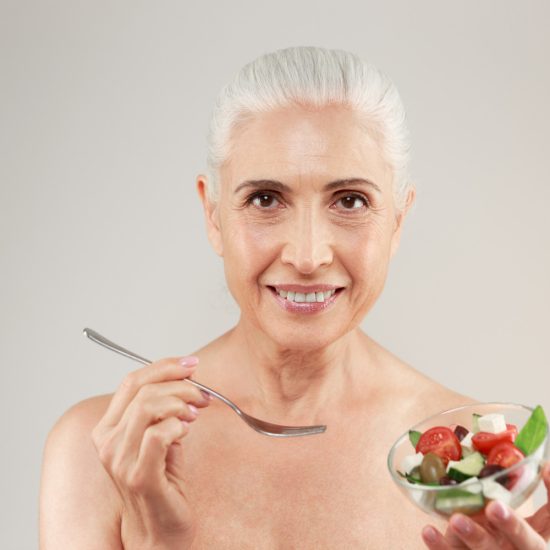
A groundbreaking study from the University of Sydney suggests that simple dietary adjustments may help older adults reduce signs of biological aging in just four weeks. Researchers discovered that participants who lowered fat intake or increased plant-based protein consumption showed measurable improvements in biomarkers linked to aging.
The findings have sparked excitement in the nutrition and longevity community. However, experts also stress that more long-term research is necessary before anyone can claim diet truly “reverses aging.” Still, the study highlights the powerful role nutrition plays in healthy aging and overall wellness.
What the Study Revealed
Researchers analyzed 104 adults between the ages of 65 and 75. Participants followed one of four carefully designed diet plans for four weeks. Scientists then evaluated biological age using 20 health biomarkers, including cholesterol, insulin, and inflammation levels.
The results were impressive. Participants who adopted healthier eating patterns showed noticeable reductions in biological age markers. In contrast, people who stayed closest to their original high-fat eating habits showed little or no improvement.
Additionally, researchers found that dietary changes can influence the body much faster than previously believed. This suggests that even later in life, healthy food choices may significantly improve health outcomes.
Understanding Biological Age
Biological Age vs. Chronological Age
Chronological age measures the number of years a person has lived. Biological age, however, reflects how well the body functions internally.
For example, two people may both be 70 years old. Yet one person’s organs, metabolism, and cardiovascular system may function more like those of a 60-year-old. Scientists use biomarkers to estimate this biological age.
Why Biological Age Matters
Biological age may provide better insight into long-term health risks than chronological age alone. Lower biological age often links to improved cardiovascular health, stronger metabolism, and reduced inflammation.
As a result, researchers increasingly view biological age as an important predictor of healthy aging and longevity.
The Four Diet Plans Explained
Participants followed one of four eating patterns during the study:
1. Omnivorous High-Fat Diet (OHF)
This diet closely resembled the participants’ original eating habits. It included higher fat intake and lower carbohydrates.
2. Omnivorous High-Carbohydrate Diet (OHC)
This plan emphasized lower fat intake and higher healthy carbohydrates while still including animal protein.
3. Semi-Vegetarian High-Fat Diet (VHF)
This diet relied heavily on plant-based protein but maintained higher fat levels.
4. Semi-Vegetarian High-Carbohydrate Diet (VHC)
Participants consumed mostly plant protein combined with higher healthy carbohydrates and lower fat intake.
Importantly, all diets maintained the same protein percentage. This allowed researchers to isolate how fat, carbohydrates, and protein sources influenced aging markers.
Which Diet Delivered the Best Results?
Low-Fat, High-Carb Diet Showed Strongest Improvement
The omnivorous high-carbohydrate group produced the strongest statistical improvements in biological age. Their diet contained:
- 14% protein
- 28–29% fat
- 53% carbohydrates
Researchers believe the lower-fat dietary pattern helped improve metabolic and inflammatory biomarkers quickly.
Plant-Based Protein Also Helped
Participants who increased plant-based protein intake also experienced positive changes. Semi-vegetarian diets appeared beneficial, although some results did not always reach statistical significance.
Consequently, experts believe both lower fat intake and plant-focused nutrition may support healthier aging.
Why Nutrition Impacts Aging
Diet affects nearly every system in the body. Healthy eating patterns influence inflammation, insulin sensitivity, cholesterol levels, and cellular repair.
Furthermore, nutrient-rich foods provide antioxidants and fiber that help protect cells from damage. Whole foods, vegetables, legumes, fruits, and healthy carbohydrates may reduce stress on the body over time.
Several online health communities also discussed the study extensively. Many users agreed that improving diet quality can quickly impact energy, metabolism, and wellness markers. However, some cautioned against exaggerated “age reversal” headlines.
Expert Insights and Limitations
Researchers Urge Caution
Lead researcher Dr. Caitlin Andrews explained that the findings are promising but preliminary. The study does not prove that diet permanently reverses aging.
Associate Professor Alistair Senior also noted that longer studies are essential to determine whether these changes reduce disease risk over time.
Short-Term Changes Need Long-Term Validation
Although biomarkers improved rapidly, scientists still need to confirm whether those benefits last for years. Future studies will likely explore larger populations and different age groups.
Nevertheless, the research provides encouraging evidence that the aging process may be more adaptable than previously believed.
Simple Dietary Changes for Healthy Aging
Focus on Whole Foods
Choose minimally processed foods rich in nutrients and fiber.
Increase Plant-Based Proteins
Beans, lentils, nuts, and seeds may support healthier aging markers.
Reduce Excess Fat Intake
Lower saturated fat intake may improve cholesterol and metabolic health.
Add Healthy Carbohydrates
Whole grains, fruits, and vegetables provide energy and antioxidants.
Stay Consistent
Even short-term changes may deliver measurable health improvements when maintained consistently.
Final Thoughts
This new study from the University of Sydney highlights the remarkable connection between nutrition and aging. Researchers found that just four weeks of dietary improvements helped older adults reduce biological age markers.
Although more research is necessary, the findings reinforce an important message: healthy eating habits can positively affect the body at any age. Small nutritional changes today may contribute to better health, improved vitality, and healthier aging tomorrow.