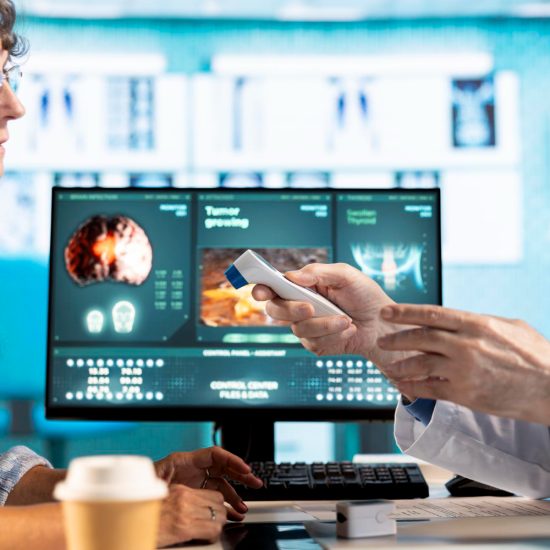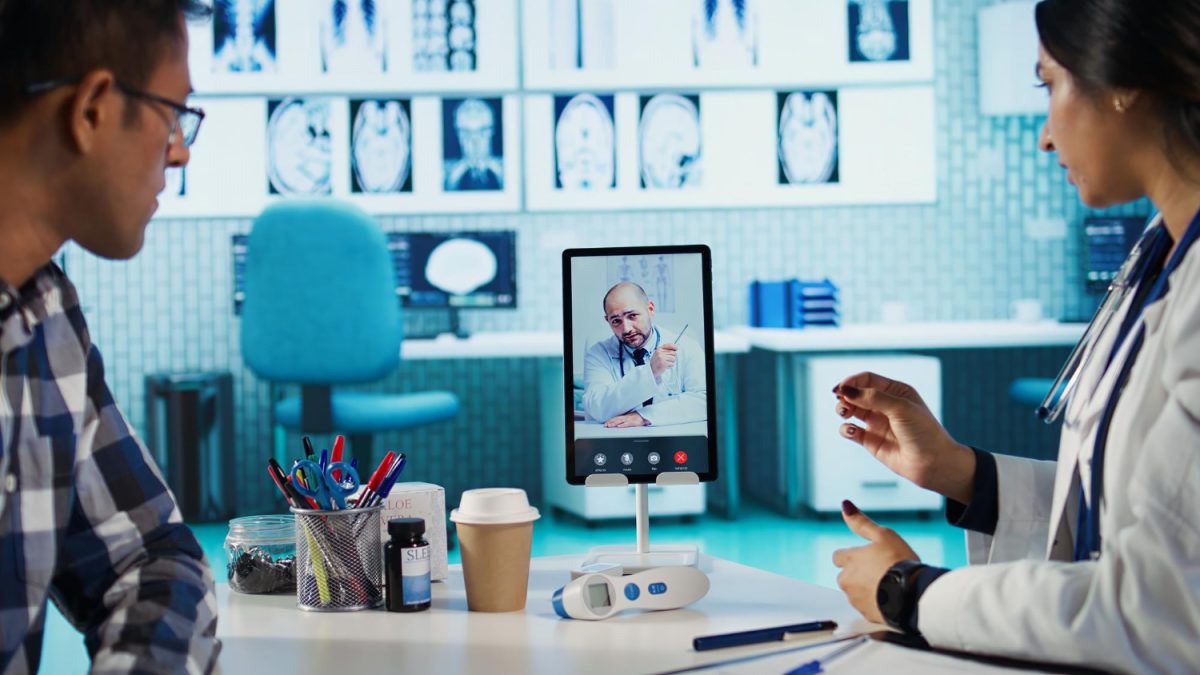
Healthcare is no longer confined to clinic walls. Today, artificial intelligence connects clinicians with patients in their homes and communities, enabling continuous, data-driven care at scale. Clinics increasingly adopt AI, IoT devices, and advanced analytics to move beyond episodic visits. As a result, care becomes more patient-centric, more responsive, and more effective. AI-enabled remote monitoring stands at the heart of this shift — capturing physiological signals in real time, converting them into clinical insights, and helping providers act before conditions worsen.
The Core Problem in Modern Healthcare
An Overwhelmed System Facing a Workforce Crisis
Modern healthcare systems carry enormous pressure. Aging populations, rising chronic disease rates, and surging demand for long-term care are stretching clinical teams thin. Moreover, clinicians must review expanding volumes of data — lab results, vitals, imaging, and unstructured notes — often manually and under time constraints. Traditional models that rely on periodic check-ins frequently miss early warning signs, pushing teams into reactive, crisis-driven care.
Workforce shortages compound the problem further. The WHO projects a global shortfall of nearly 11 million healthcare workers by 2030. Consequently, AI has evolved from a convenience tool into a capacity strategy. It helps organize high-dimensional data, automates routine tasks, and accelerates decision support — particularly when paired with continuous monitoring outside the clinic.
What Is AI-Powered Remote Monitoring?
Continuous Data Collection Meets Intelligent Analysis
AI monitoring combines two essential elements: continuous data collection and algorithmic intelligence. Wearables, automated home devices, and bedside sensors gather physiological signals around the clock. Meanwhile, AI algorithms convert those raw streams into actionable clinical insights.
Rather than capturing a single snapshot of vital signs, AI monitoring builds a time-based picture of a patient’s health. This approach detects subtle changes before symptoms escalate. For instance, AI can analyze multi-parameter streams — heart rate, blood oxygen levels, sleep patterns, and blood pressure trends — to flag anomalies and trigger early-warning workflows.
ASUS illustrates this model with its VivoWatch wearable. In a clinical study involving acute ischemic stroke patients, VivoWatch used ECG and PPG sensors to deliver reliable physiological monitoring. Furthermore, the device enabled continuous background observation without disturbing patients’ sleep, generating richer follow-up data for clinicians.
How ASUS Builds the AI-Ready Clinic
A Three-Tier Architecture for Clinical AI
ASUS structures its healthcare portfolio around a three-tier architecture: digital infrastructure, digital platforms, and digital applications. Each layer supports clinical-grade quality systems and cybersecurity practices, ensuring reliability and compliance.
At the patient edge, VivoWatch delivers continuous physiological data that complements in-visit measurements. Additionally, ASUS offers a suite of digital health platforms to reduce clinical workload:
- ASUS xHIS® Next-Gen Healthcare Information Platform — streamlines hospital information management
- Miraico — provides AI-assisted ICD-10 medical coding
- Lumos — enables FHIR-based connectivity and OMOP-based research services
- LLM-powered Clinical AI Assistant — automates EMR summarization and clinical note drafting
- HealthAI Genie — uses generative AI to deliver personalized health guidance to patients
Beyond remote monitoring, ASUS also provides point-of-care AI tools. EndoAim, for example, enables real-time polyp detection and classification during colonoscopy, demonstrating AI’s impact across diverse clinical settings.
Measurable Impact on Patient Outcomes
Earlier Detection Drives Better Results
AI-enabled remote monitoring enables earlier detection and more proactive intervention. Clinicians receive timely alerts instead of waiting for scheduled visits, allowing faster follow-up and more comprehensive tracking. The data also gives care teams a fuller picture of patient health between appointments.
The results are measurable. The Mayo Clinic reduced hospital readmissions by roughly 40% through remote care programs that combined continuous monitoring with structured outreach workflows. Furthermore, patients benefit from greater engagement with their own health data, which supports adherence to treatment plans and lifestyle changes.
Early detection does more than improve individual outcomes — it also reduces the cost burden on health systems. Preventing avoidable hospitalizations frees up resources for patients who need acute care most.
From Reactive to Proactive Healthcare
Building a Sustainable Care Model with AI
AI-enabled remote monitoring fundamentally reshapes how clinics deliver care. Instead of responding to crises, providers can intervene early, allocate resources efficiently, and support patients continuously. This shift from reactive to proactive care maximizes outcomes while optimizing clinical capacity.
However, achieving this model requires a strong foundation. Robust data pipelines, interoperable systems, reliable infrastructure, and clinical-grade governance are all essential. Without these elements, AI tools cannot deliver consistent, trustworthy results.
ASUS addresses these requirements through its end-to-end healthcare ecosystem. Its integrated approach — spanning wearables, health platforms, AI coding tools, and clinical assistants — gives clinics a proven path to deploying next-generation remote patient monitoring. Whether in clinical settings or home environments, the ASUS ecosystem supports a more connected, intelligent, and patient-first model of care.