Overview: A New Era of Care at Morrow County Hospital
OhioHealth Morrow County Hospital in Mount Gilead, Ohio, has launched a bold new approach to inpatient care. The hospital partnered with Columbus-based MedOne Healthcare Partners, a hospitalist group, to deliver 24/7 physician support through telehealth capabilities. This partnership marks a significant step forward. It allows the hospital to keep more patients local, reducing costly and stressful transfers to larger facilities.
Furthermore, the shift represents a growing national trend. Hospitals — especially critical access facilities — increasingly turn to telehealth hospitalists to strengthen their clinical teams. Morrow County Hospital now stands at the forefront of this movement in Ohio.
How the Telehealth Hospitalist Model Works
A Seamless Two-Layer Care Approach
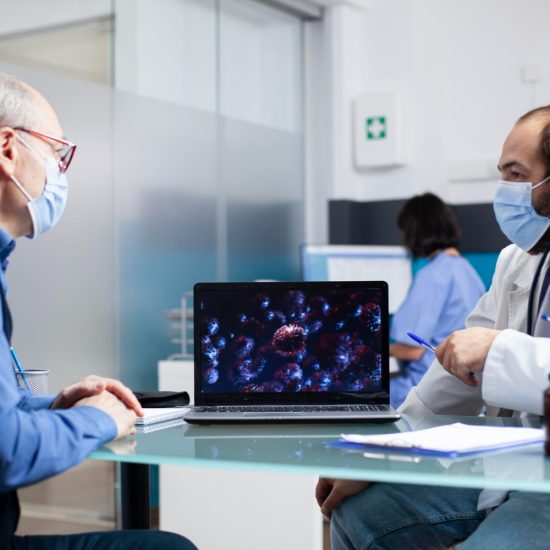
The care model at Morrow County Hospital blends in-person and virtual support. When a patient arrives, a nurse practitioner or physician’s assistant from MedOne meets them in person. At the same time, OhioHealth Emergency Department staff also assess the patient.
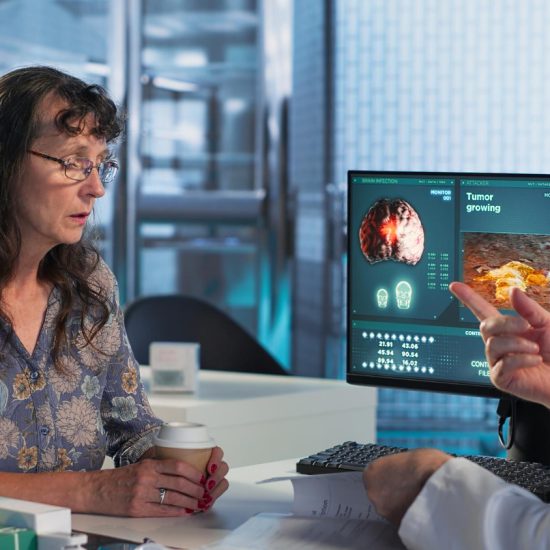
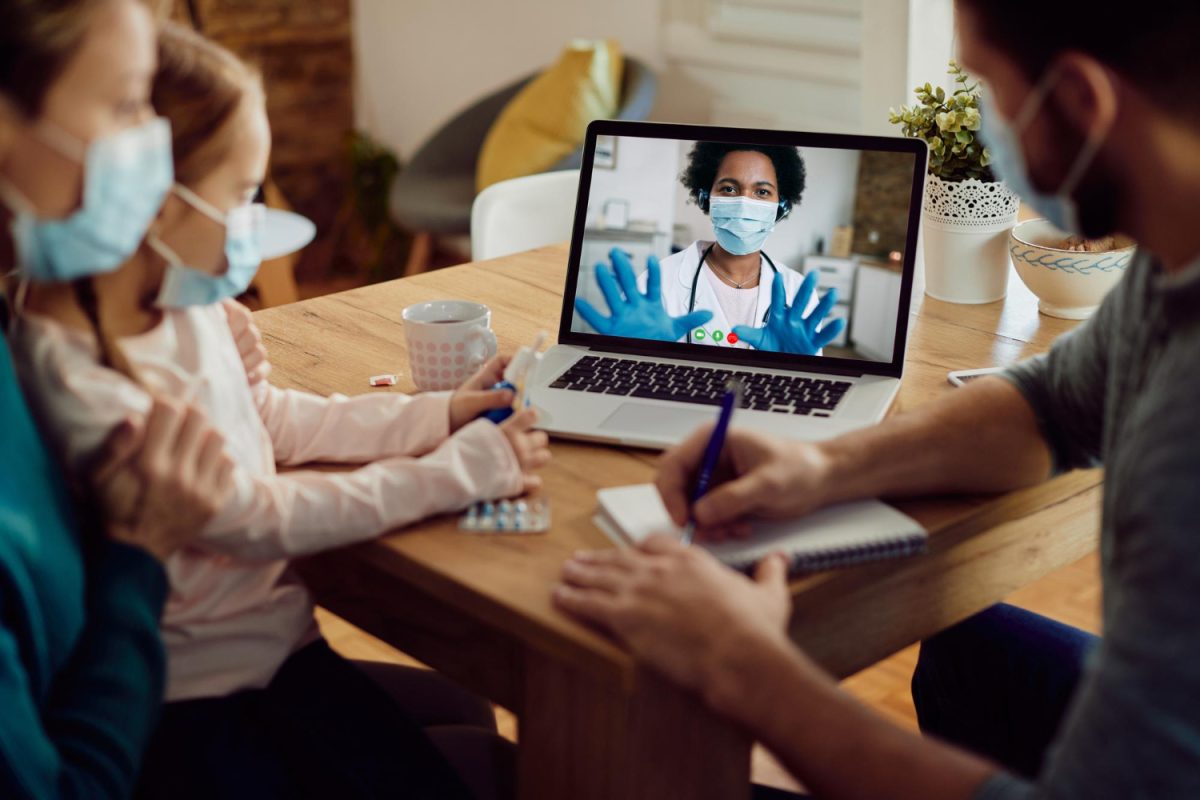
Next, the advanced practice provider contacts a MedOne physician via laptop. That physician then conducts a remote evaluation. This dual-layer approach means patients receive expert attention quickly. Moreover, it creates immediate collaboration between the bedside team and the remote doctor.
Around-the-Clock Physician Availability
Previously, around-the-clock physician coverage posed challenges for smaller hospitals. Now, Morrow County Hospital delivers 24/7 support through MedOne’s telehealth platform. Nurses or patients can page the on-call physician at any hour. If needed, the doctor joins a screen-based visit to evaluate the situation directly. This level of responsiveness was not always possible before the partnership launched in December.
Key Benefits for Patients and the Community
Fewer Patient Transfers
One of the most impactful outcomes is a reduction in unnecessary transfers. In the past, some patients moved to larger hospitals simply because of a perceived need for additional testing. Today, MedOne physicians — many of whom trained at tertiary care centers — can guide those decisions remotely. As a result, more patients stay close to home and receive quality care within their community.
Experienced Specialists at Every Bedside
MedOne’s clinical team brings deep experience from quaternary and tertiary care environments. Several advanced practice providers also hold ICU training. This level of expertise benefits rural patients. It gives them access to sophisticated clinical knowledge without requiring them to travel far for treatment.
Stronger ER-Hospitalist Collaboration
Additionally, the model improves teamwork within the hospital itself. The telehealth physician communicates directly with the emergency department physician. This three-way collaboration — bedside provider, remote physician, and ER doctor — creates a more coordinated care experience. Consequently, clinical decisions happen faster and with greater confidence.
Expert Voices: What Physicians Say
Dr. Joey Saliba, Medical Director, MedOne at Morrow County
Dr. Saliba addressed concerns about whether telehealth reduces the quality of care. “We’re not taking away services by doing this,” he said. Instead, the model adds a layer of expertise. “When we set up a telehealth visit, I’m talking directly to the ER physician, and that collaboration has been excellent.” He emphasized that both on-the-ground staff and remote physicians work as one team.
Dr. Grant Galbraith, Associate Director of Medical Affairs
Dr. Galbraith highlighted the connectivity advantage. He explained that having a group based at a tertiary care hospital connects Morrow County to a broader network. “Patients that may have been transferred because of need for testing may now be able to stay and receive telehealth services directed by experts in the tertiary care centers,” he noted.
Dr. Alex Kaple, Emergency Department Medical Director
Dr. Kaple underscored the practical simplicity of the system. “If a patient has a concern, you page the physician on call,” he said. “They can hop on the screen and actually evaluate the patient and talk with them.” This ease of access makes the telehealth model genuinely functional in a busy emergency environment.
Why This Model Matters for Rural Healthcare
Rural hospitals across the United States face a growing physician shortage. Meanwhile, patient volumes and clinical complexity continue to rise. Telehealth hospitalist programs offer a practical solution. They extend the reach of skilled physicians without requiring full-time, on-site staffing.
Morrow County Hospital’s experience illustrates what is possible. Thanks to its OhioHealth membership — official since January 2025 — the facility now taps into a network of resources previously unavailable. Telehealth connectivity is just one part of a broader transformation that also includes expanded MRI capacity, new PET scanning capabilities, and a planned EPIC electronic records system launch.
Looking Ahead: Telehealth and Community Care
The MedOne partnership reflects a wider shift in how hospitals approach care delivery. Telehealth is no longer a backup option. Instead, it functions as a primary tool for clinical decision-making and patient management. Moreover, both organizations express confidence in the model’s long-term value for the Mount Gilead community.
As telehealth technology continues to improve, partnerships like this one will likely multiply. For small and mid-sized hospitals, the ability to connect patients with specialist-level knowledge in real time is a critical advantage. OhioHealth Morrow County Hospital has demonstrated that geography need not limit the quality of care a patient receives.