A Jersey charity is proving that technology can bring care to patients — rather than the other way around. Family Nursing & Home Care (FNHC) has launched a two-year initiative called the Graphnet Remote Monitoring Pilot, designed to help vulnerable residents live safely and independently at home. Early findings show the project is already delivering real, measurable results.
How the Graphnet Remote Monitoring Pilot Works
A Platform Built for Remote Patient Monitoring
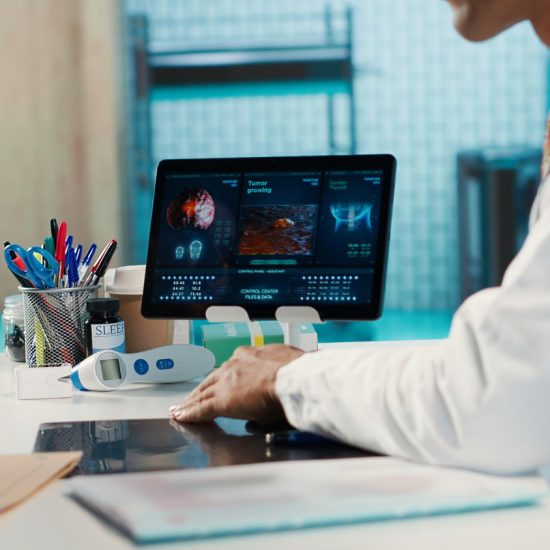
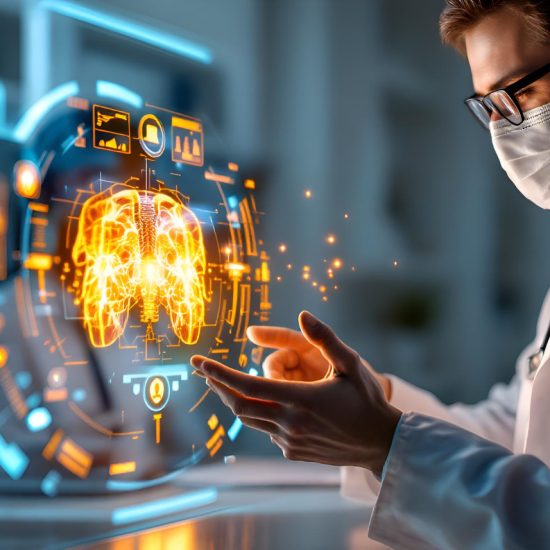
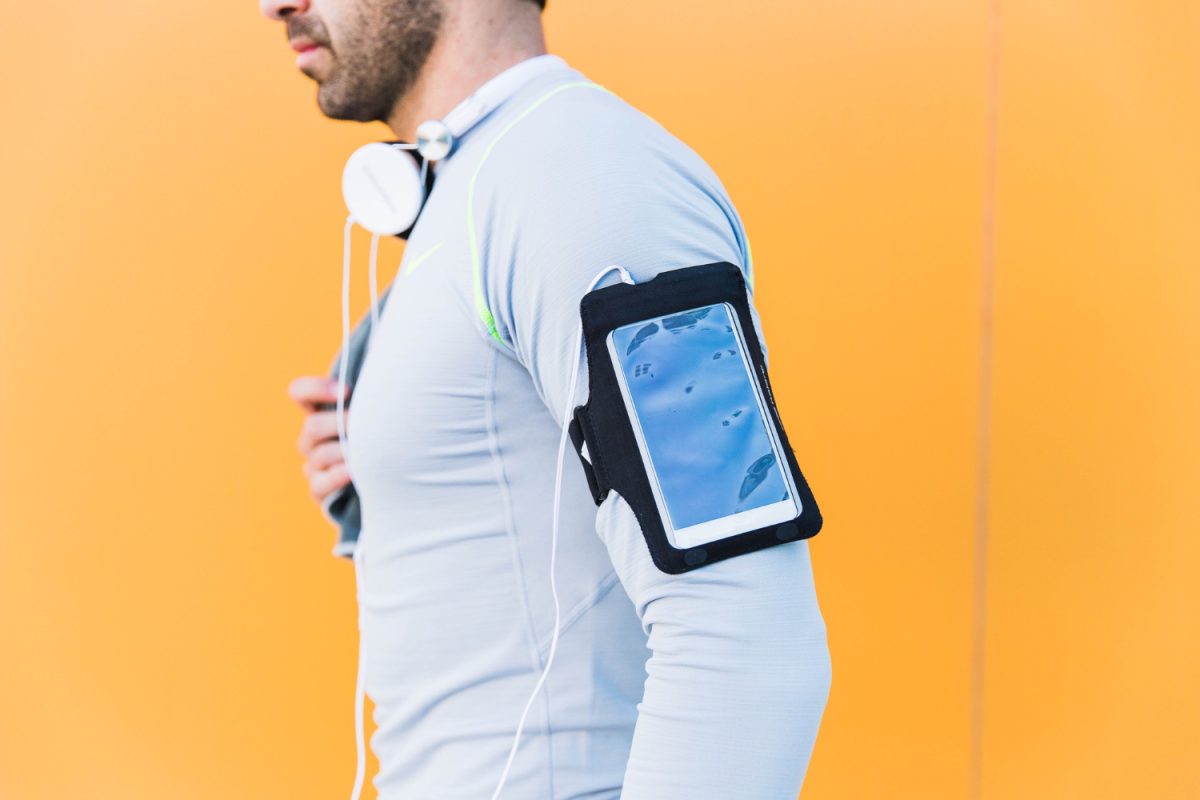
At the heart of the programme sits Luscii, a digital healthcare platform that connects patients to clinicians without requiring either party to travel. Through the app, patients submit vital health data from their homes. Clinicians then review this information remotely and flag any concerns promptly.
This setup allows nurses and healthcare professionals to make targeted home visits — but only when the data signals a genuine need. As a result, care becomes more focused and more efficient. Moreover, patients gain confidence from knowing that trained professionals monitor their health continuously.
Supporting Patients in Their Own Homes
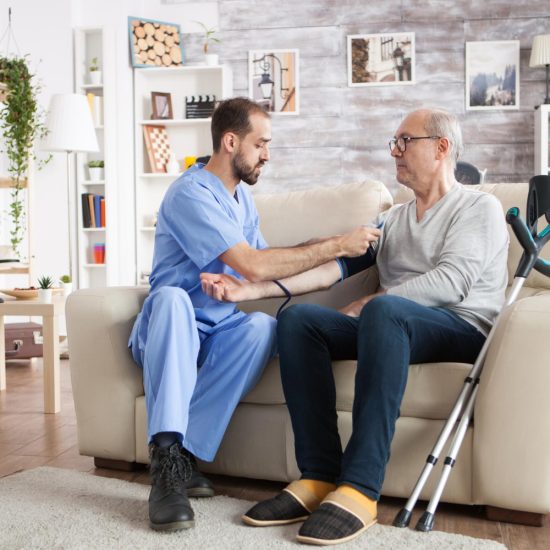
The project’s central aim is straightforward: help people stay at home for longer, safely. Traditional healthcare models often require patients to attend clinics or hospitals for routine checks. This pilot flips that model on its head. Instead, the system brings monitoring directly to the patient, reducing unnecessary travel and easing the burden on both families and healthcare facilities.
Early Results: Spotting Issues Before They Escalate
Kathryn Kelly, a nurse at FNHC, has seen the difference first-hand. “There’s been things we’ve spotted from a clinical aspect where the data’s come through and we’ve been able to act on that straight away,” she explained.
That ability to act quickly is critical in elderly and frail care. Consequently, early intervention prevents minor health changes from becoming serious medical emergencies. Furthermore, remote monitoring reduces unnecessary hospital admissions — a key pressure point for any island health system.
Kelly confirmed the project has already “made a difference,” a significant endorsement just months into the two-year pilot.
What Conditions Does the Pilot Cover?
Year One — Frailty
During the first year, the pilot targets frailty — one of the most complex and costly conditions in elderly care. Frailty makes patients vulnerable to sudden deterioration, so continuous monitoring provides an important safety net.
Year Two — Diabetes and Wound Care
In the second year, the scope expands to include diabetes management and wound care. Both conditions require consistent monitoring and timely clinical responses. Digital tools offer a practical way to track these remotely, reducing clinic visits without compromising care quality.
Funding Behind the Care Tech Challenge
The project receives financial support through Impact Jersey’s Care Tech Challenge, which made up to £2 million available for technology-driven health solutions. This investment reflects a broader commitment to building a smarter, more resilient healthcare system for Jersey.
Dr Chris Edmond, clinical lead for Impact Jersey, described the programme’s guiding principle clearly: helping people “live their best lives for as long as possible.” That philosophy extends beyond patient comfort — it also addresses systemic pressures on the island’s health services.
Keeping the Human Touch in Digital Care
Not everyone views healthcare technology without scepticism. Dr Edmond acknowledges the concern directly. “There is a fear around technology and how it’s cost-cutting, perhaps,” he said. However, he argues this misses the bigger picture.
“Actually, it’s allowing us to provide more care more efficiently,” Edmond explained, “and allowing people to stay in their homes for longer.” Importantly, he stressed that digital tools should support human connection, not replace it.
“We don’t want a future where we’re chatting to AI or chatbots rather than seeing a doctor — that human connection is really important,” he noted. “But AI should allow us to do more and target those connections where they’re most needed.” Therefore, technology in this context acts as an enabler, not a replacement.
Why Remote Monitoring Matters for Jersey’s Future
Jersey faces the same demographic pressures as many developed regions — an ageing population, rising demand for care, and limited healthcare capacity. Remote monitoring addresses all three at once. It stretches existing clinical resources further, identifies health risks earlier, and empowers patients to manage their wellbeing at home.
Additionally, the pilot’s phased design — starting with frailty before expanding to chronic conditions — allows FNHC to refine the model carefully. Each stage builds evidence and confidence that digital monitoring can become a standard component of community care in Jersey and beyond.
In the end, the Graphnet Remote Monitoring Pilot proves a simple but important point: technology, when applied thoughtfully, does not reduce the quality of care. Instead, it extends care to those who need it most.