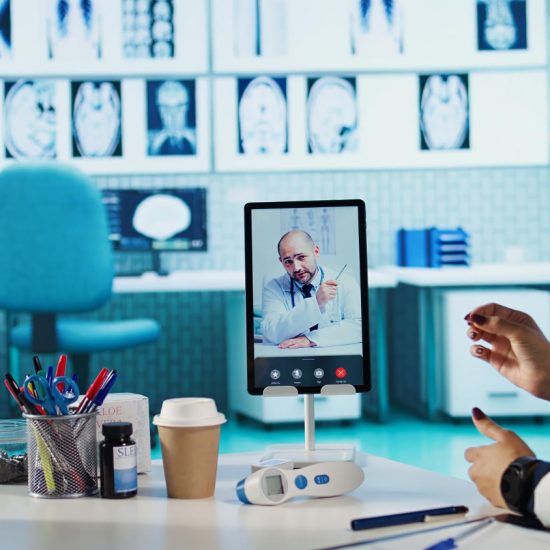
The way healthcare reaches patients is changing fast. Hospital-at-home technology is no longer a niche experiment. It is becoming a mainstream model that health systems worldwide are actively adopting. According to a new study by Global Reports Store, the global hospital-at-home technology market stood at US$ 5.62 billion in 2025. Furthermore, it will grow to US$ 17.95 billion by 2032, advancing at a strong CAGR of 18.10% from 2026 to 2032.
This growth signals a fundamental shift in how acute care is delivered, managed, and financed across the globe.
Market Size and Growth Forecast
The numbers tell a compelling story. In just seven years, the market will more than triple in size. This expansion reflects growing confidence in technology-enabled home care as a viable substitute for traditional inpatient care.
Key market projections at a glance:
- 2025 market value: US$ 5.62 billion
- 2032 projected value: US$ 17.95 billion
- CAGR (2026–2032): 18.10%
Moreover, these figures come against a backdrop of rising hospital costs, staffing shortages, and increasing demand for patient-centered care. Together, these forces make home-based acute care not just attractive but necessary.
Why Hospital-at-Home Is Gaining Momentum
Several converging trends drive this market forward. First, healthcare systems face mounting cost pressure. Hospital beds are expensive to maintain. Home-based care reduces overhead significantly. Second, patients increasingly prefer receiving care at home. Studies consistently show better recovery outcomes and higher satisfaction in familiar environments.
Cost Efficiency Fuels Adoption
Health systems and payers are realizing that hospital-at-home programs deliver acute-level care at a fraction of inpatient costs. This cost efficiency drives adoption across both private and government-funded health systems. Payers, therefore, are increasingly willing to reimburse home-based acute services.
Technology Enables Clinical-Grade Remote Care
Advanced remote patient monitoring tools, wearable biosensors, and AI-powered diagnostics now make it possible to deliver acute care safely outside hospital walls. Telehealth platforms further support round-the-clock physician oversight. As a result, the gap between home-based and in-facility care is narrowing rapidly.
North America Leads, Asia-Pacific Rises Fast
Geographically, North America currently leads the global hospital-at-home technology market. The region benefits from early program deployment, mature digital health infrastructure, and strong regulatory frameworks. The United States, in particular, has seen widespread adoption following expanded Medicare reimbursement waivers for acute home care programs.
However, Asia-Pacific is emerging as the fastest-growing strategic region. Countries like Japan, South Korea, and India are investing heavily in technology-enabled healthcare delivery. Aging populations, urban congestion, and under-resourced hospital networks make hospital-at-home solutions especially relevant across the region.
Key Technologies Driving the Market
Remote Patient Monitoring Systems
Real-time monitoring devices track vital signs, oxygen levels, heart rate, and glucose continuously. Clinicians receive instant alerts for any deviation. This technology forms the backbone of any hospital-at-home program.
AI and Predictive Analytics
AI tools analyze patient data in real time and flag early warning signs before conditions worsen. Predictive analytics help care teams intervene proactively, reducing emergency readmissions significantly.
Connected Care Platforms
Integrated platforms unify patient data, caregiver communication, and physician dashboards. They ensure seamless coordination among nurses, physicians, and family caregivers — a critical element of safe home-based acute care.
Challenges and Opportunities Ahead
Despite strong growth, the market faces real challenges. Reimbursement policies vary widely across countries. Not all patients have the home environments suitable for acute care delivery. Additionally, technology literacy gaps among older patients can hinder adoption.
Nevertheless, opportunities outweigh the hurdles. Governments across Asia, Europe, and North America are actively developing supportive policy frameworks. Additionally, private equity and venture capital are flowing steadily into hospital-at-home startups, accelerating innovation.
Conclusion
The hospital-at-home technology market is on a powerful growth trajectory. From US$ 5.62 billion in 2025 to nearly US$ 18 billion by 2032, this market reflects a healthcare system in transformation. North America leads today, while Asia-Pacific builds the infrastructure for tomorrow. As technology matures and policies align, hospital-at-home care will move from pilot programs to a standard pillar of global healthcare delivery.