What Is Hospital at Home?
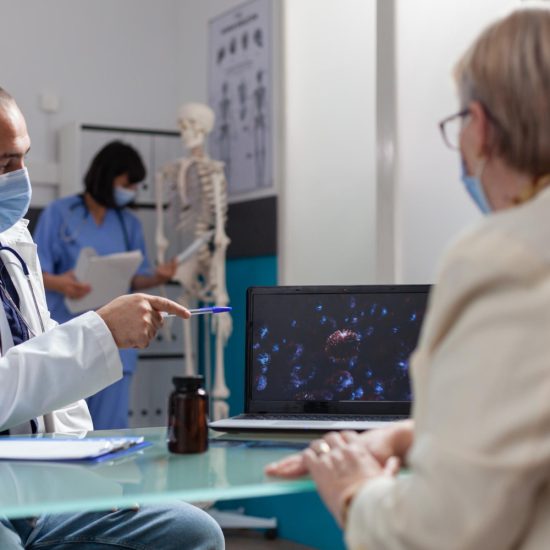
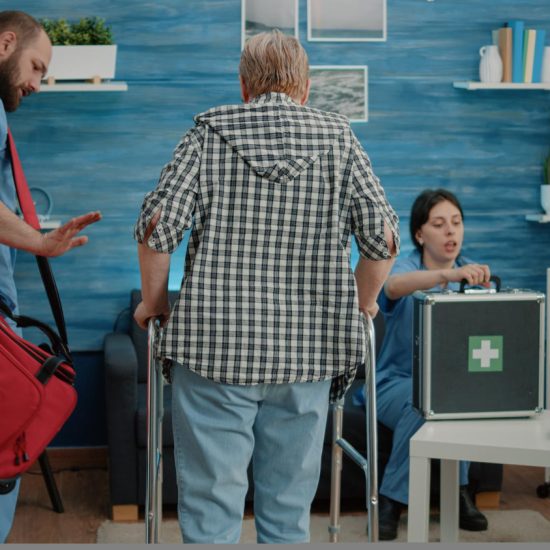
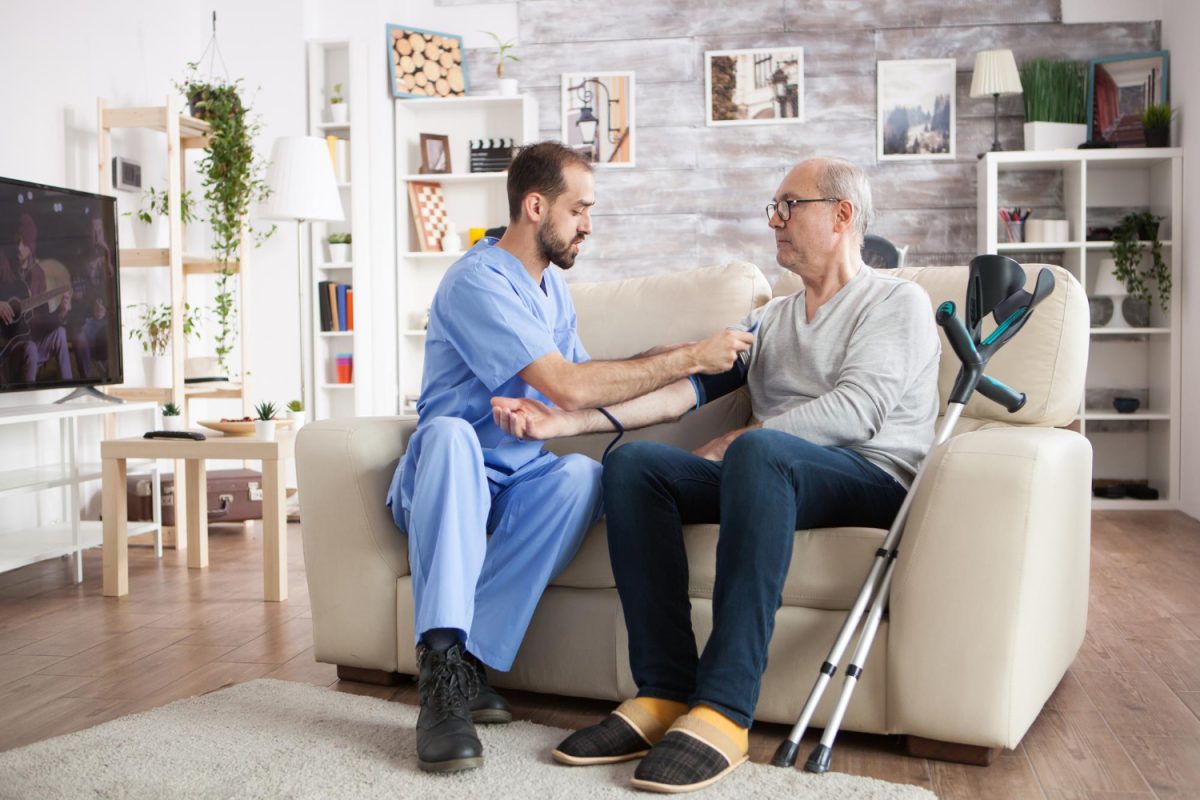
Hospital at home is a care model that delivers acute-level medical treatment inside a patient’s residence. Nurses, physicians, and paramedics visit patients at scheduled times. Remote monitoring technology tracks vital signs between visits. Together, these elements replicate the intensity of inpatient care — without the physical hospital setting.
The model has grown steadily since the Centers for Medicare and Medicaid Services launched its Acute Hospital Care at Home waiver program in 2020. CMS approvals have since expanded to dozens of health systems nationwide. As a result, interest in this alternative care model has accelerated among payers, providers, and policymakers alike.
What the JAMA Study Found
A May 2026 study published in JAMA Network Open provides compelling new evidence in favor of hospital-at-home care. Researchers at the University of Iowa analyzed data from nearly 16,000 Medicare patients. These patients received care at CMS-approved hospital-at-home programs between January 2021 and December 2022. The authors then compared outcomes against patients with similar risk profiles treated in traditional brick-and-mortar hospitals.
The findings strongly favored the home-based model across multiple clinical and financial measures.
Key Clinical Outcomes at a Glance
1. Dramatically Lower In-Hospital Mortality
In-hospital mortality stood at just 0.4% for hospital-at-home patients. Traditional inpatient care, by contrast, saw a mortality rate of 3.6%. Notably, both groups carried similar clinical risk profiles. This difference, therefore, points to a genuine care quality advantage — not simply a difference in patient severity.
2. Fewer Emergency Department Visits
Hospital-at-home patients visited the emergency department less frequently within 30 days of discharge. Meanwhile, readmission rates remained comparable between the two models. This outcome suggests that home-based care does not increase the risk of bounce-backs, which is a common concern among skeptics.
3. Lower ICU Escalation and Fewer Complications
Patients cared for at home required ICU-level escalation at a rate of 3.5%, compared to 7.9% for inpatients. Additionally, hospital-associated complications occurred in 3.6% of home-care patients versus 5.1% of traditional inpatients. Avoiding the hospital environment likely reduces exposure to infections and other facility-related risks.
4. Higher Rates of Discharge to Home
Around 95% of hospital-at-home patients returned directly to their own homes after the care episode ended. Only about 73% of traditional inpatients achieved the same outcome. A higher rate of direct home discharge often signals better functional recovery and reduced reliance on skilled nursing facilities.
5. Slightly Longer Length of Stay
Hospital-at-home patients experienced a modestly longer length of stay compared to those treated in hospitals. However, this factor did not negatively affect outcomes. Instead, it may reflect a more gradual, supported recovery process in the home setting.
Cost and Spending Differences
Overall 30-Day Spending Was Lower
Total 30-day spending was modestly lower for hospital-at-home patients. However, the cost breakdown reveals an important nuance. Index hospitalization costs — meaning the costs tied to the initial care episode — ran slightly higher for home-based patients. Savings, therefore, emerged primarily from lower post-discharge spending. Patients who recover at home tend to need fewer follow-up services, skilled nursing stays, and outpatient interventions.
This spending pattern aligns with what health economists have long predicted about home-based care. The upfront investment in remote monitoring and home visits can generate downstream savings across the full episode of care.
Where Hospital-at-Home Programs Operate
Concentration Among a Small Number of Hospitals
Just 11 hospitals accounted for approximately half of all hospital-at-home admissions in the study period. Furthermore, most programs concentrated in urban areas, particularly in the Northeast and South regions of the United States. This geographic imbalance reflects the uneven pace of adoption across the country.
Rural hospitals and under-resourced systems face greater barriers to launching home-based programs. Workforce constraints, technology infrastructure gaps, and reimbursement uncertainty all slow expansion. Bridging this gap will be essential if the model is to deliver equitable access at scale.
Why These Findings Matter
The JAMA study adds to a growing body of evidence that hospital-at-home care is not simply a convenience — it produces measurably better health outcomes. Lower mortality rates, reduced complications, and higher rates of returning home after care all represent meaningful improvements in quality.
Moreover, the cost data challenges the assumption that innovative care models must carry a premium price. With modest overall savings and strong clinical results, hospital at home presents a compelling value proposition for Medicare and managed care payers alike.
Health systems that have already launched programs are now well-positioned. They have accumulated operational experience, refined their patient selection criteria, and built relationships with monitoring technology vendors. Those that have not yet started face a growing competitive and quality gap.
The Road Ahead for Home-Based Hospital Care
Policy and Reimbursement Will Determine Scale
The future of hospital at home depends, in large part, on federal policy decisions. CMS’s Acute Hospital Care at Home waiver has driven adoption thus far. Congress must decide whether to extend, make permanent, or allow this authority to expire. A clear and durable reimbursement framework would unlock broader investment by health systems.
Technology Will Enable Wider Reach
Advances in remote patient monitoring, AI-powered early warning systems, and telehealth infrastructure will gradually reduce the operational barriers to home-based care. As these tools become more affordable and accessible, smaller and rural systems will find it easier to participate.
Patient Demand Is Rising
Patients increasingly prefer to recover in familiar, comfortable surroundings. This preference, combined with strong outcome data, creates a demand-side pull that health systems cannot ignore. Hospital at home is no longer a niche experiment. It is a proven care delivery model with real momentum.