The Primary Care Crisis in Americ
100 Million Americans Without Primary Care
The United States faces an unprecedented healthcare accessibility crisis. Approximately 100 million Americans currently lack a primary care physician, creating a significant gap in preventive medicine and chronic disease management. In Massachusetts alone, patients report calling more than ten physician offices only to discover that none are accepting new patients, with waiting lists extending up to two years.
This shortage stems from multiple systemic issues: physician burnout, lower compensation compared to specialists, administrative burden, and an aging population requiring more comprehensive medical attention. The COVID-19 pandemic exacerbated these challenges, accelerating retirements and career changes among healthcare professionals.
Traditional Healthcare Access Fails
Even in metropolitan areas known for world-class medical institutions like Boston, patients struggle to establish relationships with primary care providers. The traditional model of in-person healthcare delivery cannot keep pace with growing demand, leaving millions vulnerable to delayed diagnoses and inadequate chronic condition management.
One Patient’s Journey to AI Healthcare
Tammy MacDonald’s Unexpected Loss
Tammy MacDonald experienced the healthcare crisis firsthand when her longtime primary care physician died suddenly during summer 2024. Managing high blood pressure and recovering from a breast cancer scare, MacDonald required consistent medical oversight. Her doctor’s unexpected death thrust her into an impossible situation—needing immediate care but finding no available providers.
“We live in Boston, and we’re supposed to have this great medical care,” MacDonald explained. “I couldn’t get my mind around the fact that we just didn’t have any doctors.”
Discovering the AI Alternative
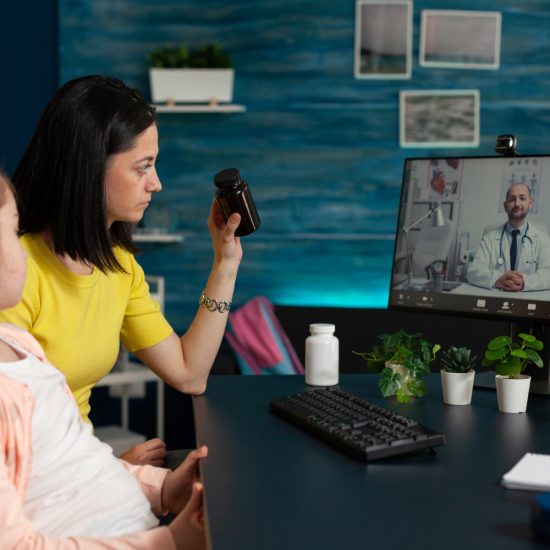
Growing increasingly anxious about prescription refills and ongoing health monitoring, MacDonald reviewed correspondence from Mass General Brigham and discovered Care Connect, an AI-enhanced telehealth platform. The application process proved surprisingly straightforward: she downloaded the app, spent approximately ten minutes conversing with an AI agent about her medical needs, and scheduled a virtual appointment.
The difference was dramatic. Within 24-48 hours, MacDonald connected with a physician—a stark contrast to the two-year waiting periods she encountered elsewhere. Since Care Connect’s September launch, she has utilized the service four times, sometimes interacting solely with the AI chatbot and other times conducting video consultations with physicians.
How Care Connect Works
AI Agent Initial Assessment
Care Connect employs artificial intelligence to streamline patient intake and preliminary assessment. The AI agent conducts conversational interviews, gathering symptoms, medical history, and immediate concerns. This technology triages cases, determining whether patients require immediate physician consultation or can receive AI-guided care for minor issues.
Human Physician Oversight
Mass General Brigham staffs Care Connect with twelve dedicated physicians available for virtual consultations. These doctors provide 24/7 coverage, ensuring patients access medical expertise whenever needed. The hybrid model combines AI efficiency with human clinical judgment, attempting to balance technological innovation with personalized medical care.
The Medical Community’s Divided Response
Primary Care Physicians Express Concerns
Dr. Michael Barnett, a Mass General Brigham primary care physician, views Care Connect skeptically. He describes the intense pressures facing primary care doctors: rushed patient visits, complex medical cases, evening hours dedicated to electronic health records, and constant patient message responses. These physicians earn 30-40% less than specialists like cardiologists or anesthesiologists, contributing to workforce attrition.
“It’s actually undermining our capacity to have a primary care system that can serve more patients,” Barnett argues. “Instead, we’re using it to basically fill a gap. That sounds like a Band-Aid for a broken system to me.”
Barnett worries that investing in cheaper virtual alternatives rather than addressing root causes—compensation disparities, administrative burden, and work-life balance—will further demoralize primary care physicians and accelerate their departure from the field.
Program Administrators Defend Innovation
Dr. Helen Ireland, the primary care physician managing Care Connect at Mass General Brigham, rejects the Band-Aid characterization. She argues hospitals must innovate to meet evolving patient needs and preferences.
“This is part of the puzzle of how to help with the current crisis and really serve those patients who want virtual care,” Ireland explains. She emphasizes that many patients prefer virtual healthcare options, appreciating the convenience and accessibility.
Safety and Effectiveness Concerns
Appropriate Use Cases
Dr. Steven Lin, founder of Stanford Healthcare’s AI Applied Research Team and chief of primary care at Stanford University School of Medicine, advocates for thoughtful AI implementation. He identifies specific conditions suitable for AI-enhanced virtual care:
- Upper respiratory tract infections
- Urinary tract infections
- Musculoskeletal injuries
- Skin rashes and dermatological concerns
Complex Conditions Require Traditional Care
Lin cautions against relying on virtual AI platforms for patients with multiple chronic conditions like diabetes, hypertension, and cardiovascular disease. These individuals benefit most from continuous relationships with in-person primary care physicians who can conduct comprehensive physical examinations and coordinate specialist care.
However, Lin acknowledges the pragmatic reality: “I would rather these patients get care, if that care can be safe, than not get care at all.”
K Health, the technology company partnering with Mass General Brigham on Care Connect, maintains that their platform safely manages more complex medical conditions beyond urgent care needs.
The Future of AI-Enhanced Primary Care
Expansion Plans
Mass General Brigham plans to expand Care Connect availability to all Massachusetts and New Hampshire residents by February 2025. Five other hospital networks nationwide currently offer similar AI-enhanced primary care platforms, suggesting growing acceptance of virtual healthcare delivery models.
Balancing Innovation and Traditional Medicine
The healthcare industry faces difficult decisions about resource allocation and care delivery transformation. While AI-enhanced platforms offer immediate access and convenience, they cannot replace comprehensive primary care relationships. The ideal solution likely involves hybrid models combining technological efficiency with human clinical expertise, addressing both immediate access needs and long-term health management.
As America grapples with its primary care shortage, programs like Care Connect represent experimental approaches to an intractable problem. Whether they prove transformative solutions or temporary fixes remains to be seen.
Discover the latest Provider news updates with a single click. Follow DistilINFO HospitalIT and stay ahead with updates. Join our community today!