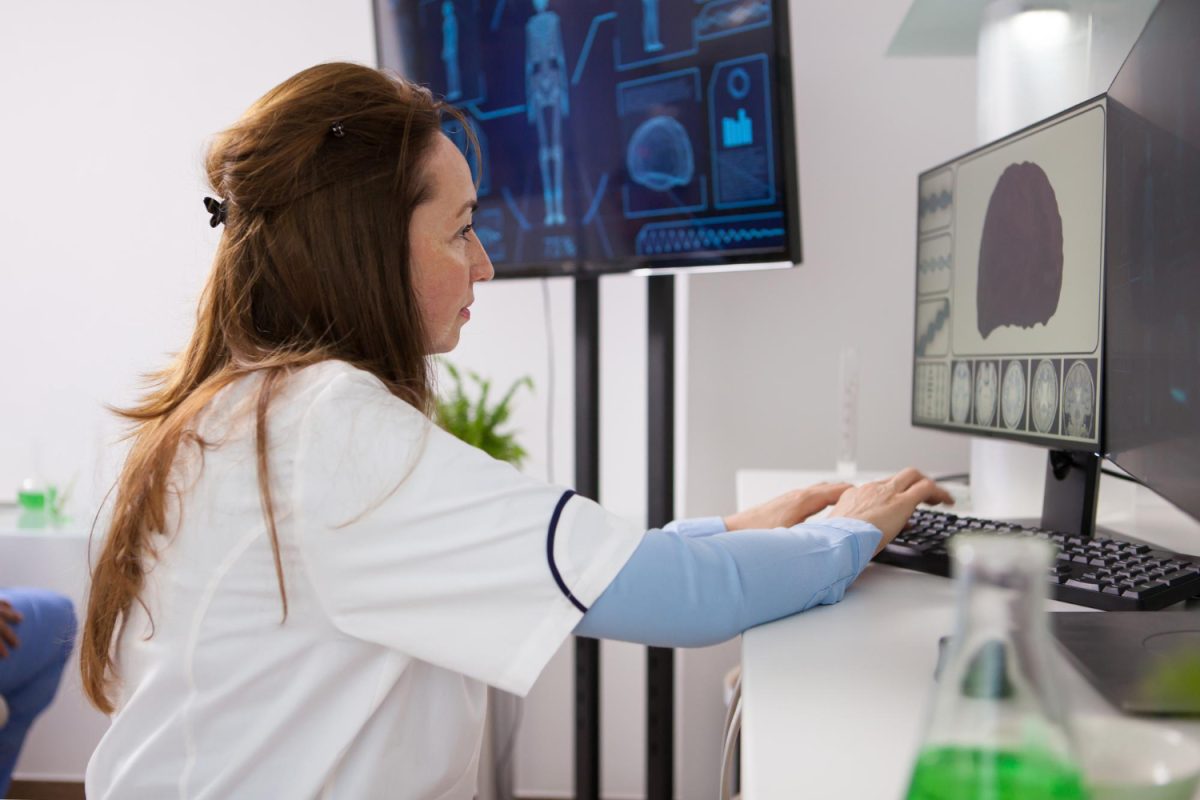
New Zealand’s Ministry of Health is pioneering artificial intelligence integration into the national breast cancer screening programme, marking a significant advancement in women’s healthcare delivery. The initiative demonstrates the country’s commitment to leveraging innovative technology for improved early detection and patient outcomes.
BreastScreen Aotearoa Embraces Digital Innovation
The New Zealand government has issued a Request for Information seeking AI and reporting solutions for BreastScreen Aotearoa, the nation’s breast cancer screening programme. Health Minister Simeon Brown emphasized that this exploratory phase aims to ensure New Zealand women maintain access to quality, future-focused screening services. The initiative specifically targets AI reading capabilities for screening mammograms and breast density reporting, representing a comprehensive approach to modernizing cancer detection protocols.
Te Whatu Ora Health New Zealand is reviewing its AI strategy to understand market solutions for image quality assistance at acquisition points, radiologist reporting for recalled cases, and medical scribing applications. This systematic evaluation reflects the government’s methodical approach to technology adoption in healthcare delivery systems.
Addressing Growing Healthcare Demands
Breast cancer remains the most commonly diagnosed cancer affecting New Zealand women, with approximately 3,400 diagnoses annually. BreastScreen Aotearoa currently screens around 270,000 women aged 45 to 74 through the recently expanded programme. The screening age extension from 69 to 74 years demonstrates the programme’s commitment to comprehensive coverage, though it simultaneously increases service demands on the healthcare workforce.
Minister Brown acknowledged these pressures, stating that growing demand necessitates smarter workforce support methods and faster, more reliable screening delivery. AI integration offers potential solutions for managing increased patient volumes while maintaining diagnostic accuracy and clinical excellence standards.
Digital Platform Enhancement Through Te Puna
The AI exploration coincides with BreastScreen Aotearoa’s transition to a population-based digital register. In July, Te Whatu Ora launched Te Puna, a digital breast screening platform enabling users to enroll, book, and manage screening appointments independently. This platform automatically identifies eligible individuals for breast screening and sends personalized invitations, significantly improving participation rates and accessibility.
The digital transformation positions New Zealand’s breast screening programme for seamless AI integration, creating infrastructure that supports advanced technological capabilities while maintaining patient-centered service delivery. The platform represents foundational work necessary for sophisticated AI implementation across screening operations.
International Evidence Supporting AI Adoption
Global implementation of AI-assisted breast screening demonstrates promising results that inform New Zealand’s approach. Sweden’s MASAI trial revealed that AI screening detected more cancers at earlier stages while reducing interval cancers diagnosed between routine screening appointments. Earlier detection provides women with expanded treatment options and substantially improves long-term health outcomes.
These international successes indicate that New Zealand can adopt proven models validated through extensive research, avoiding unnecessary development delays while ensuring implementation safety and effectiveness. The country positions itself as a strategic fast-follower, learning from established programmes while adapting solutions for local population needs.
Complementing Clinical Expertise With Technology
The proposed AI integration emphasizes augmenting rather than replacing radiologist expertise. AI tools would assist specialists by reducing workload pressures, accelerating image assessments, and improving abnormality detection consistency while maintaining rigorous clinical oversight and safety standards. This collaborative approach between human expertise and machine learning capabilities optimizes diagnostic accuracy without compromising patient care quality.
Health New Zealand describes the initiative as an exploratory validation process assessing real-world AI system performance and determining optimal radiologist support mechanisms. Any deployment would undergo careful testing, clinical governance review, and strict safeguard implementation before operational integration.
Future-Proofing Women’s Healthcare Services
The AI exploration represents one component of broader efforts to strengthen New Zealand’s healthcare system resilience and responsiveness. Te Whatu Ora recently sought information on radiology AI orchestrators and application marketplaces, exploring comprehensive AI adoption strategies across radiology services. This holistic approach ensures coordinated technology implementation benefiting multiple medical specialties and patient populations.
Minister Brown emphasized that the core goal remains straightforward: enabling more women to access timely screening while maximizing early detection opportunities. By combining clinical expertise with emerging technologies, New Zealand’s health system aims to deliver increasingly resilient and effective breast screening services for future generations of women.