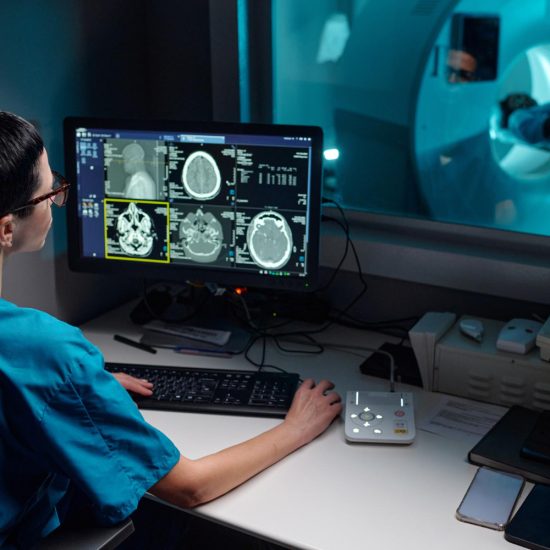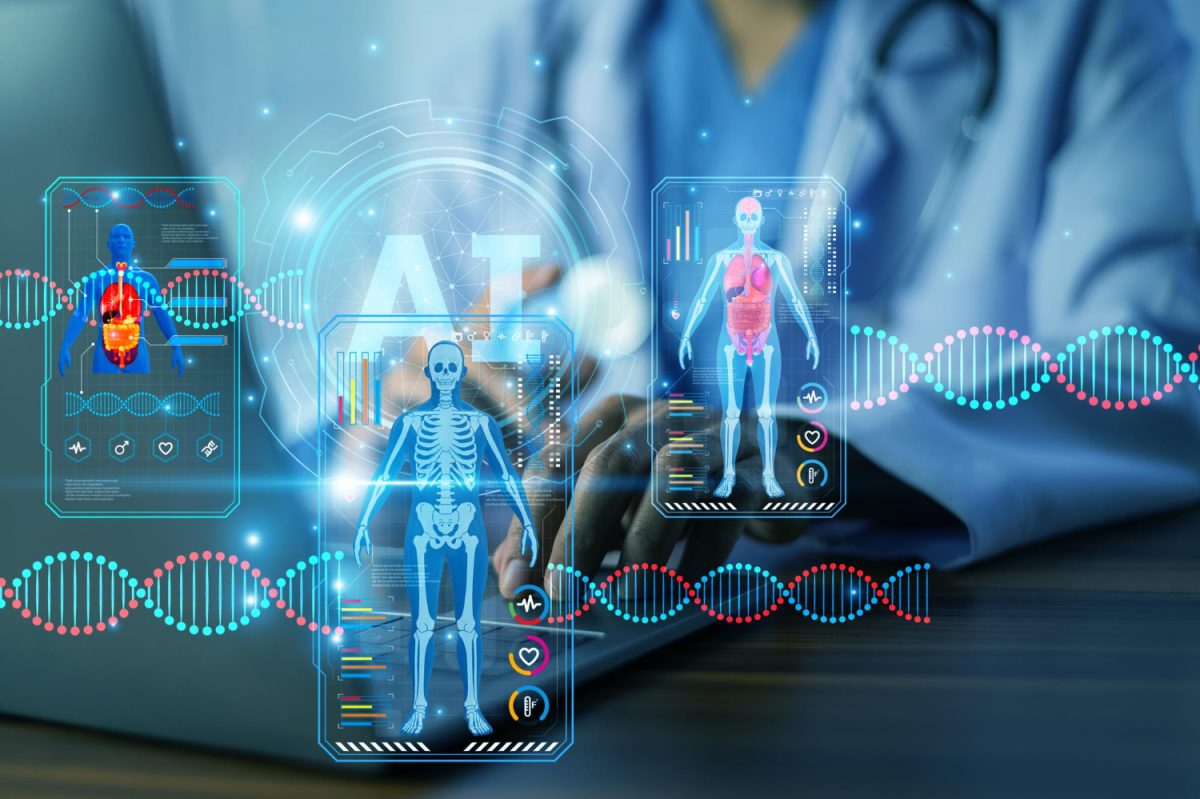
Artificial intelligence is no longer a distant concept in medicine — it is already inside the exam room, the radiology suite, and the operating theatre. From analyzing CT scans in seconds to flagging potential drug interactions before a prescription is written, AI is expanding the boundaries of modern healthcare at a pace that few could have predicted even a decade ago. Yet as these powerful tools grow more capable, a fundamental question looms large: Is AI a trusted assistant supporting doctors, or a rising rival threatening to replace them?
To explore this question, CGTN spoke with Professor Liu Zhongjun, an orthopedic specialist and deputy to China’s National People’s Congress, whose work sits at the crossroads of clinical practice and health policy. His insights shed light on what AI can realistically achieve in public healthcare today, what guardrails are needed to govern it responsibly, and why the human element in medicine must never be diminished.
How AI Is Reshaping Medical Imaging and Diagnosis
One of the most transformative applications of AI in healthcare is medical imaging analysis. Machine learning models trained on millions of X-rays, MRIs, and CT scans can now detect anomalies — from early-stage tumors to fractures — with accuracy that rivals, and in some cases surpasses, experienced radiologists. In orthopedics specifically, AI-assisted tools are helping surgeons plan procedures with greater precision, reducing operative risk and improving patient outcomes.
Speed and Accuracy in Early Detection
AI systems process imaging data far faster than any human specialist, enabling earlier detection of conditions that might otherwise go unnoticed until they become critical. In China’s vast public healthcare system, where patient volumes are enormous and specialist availability can be limited, this speed advantage holds enormous promise. AI effectively acts as a tireless second opinion, one that never experiences fatigue or cognitive overload.
Reducing Diagnostic Errors
Medical errors in diagnosis remain one of the leading causes of preventable harm in healthcare systems worldwide. AI tools designed to cross-reference patient symptoms, lab results, and imaging data can significantly reduce the likelihood of missed or incorrect diagnoses. This is not about replacing clinical judgment — it is about augmenting it with data-driven precision that humans alone cannot consistently deliver at scale.
AI in Clinical Decision Support: A Doctor’s Smart Partner
Beyond imaging, AI is making its presence felt in clinical decision support systems — platforms that assist physicians in selecting treatments, predicting patient deterioration, and managing chronic disease pathways. These tools integrate vast repositories of medical literature, clinical trial results, and real-world patient data to surface evidence-based recommendations at the point of care.
Personalizing Patient Care
One of the most exciting frontiers is AI-driven personalized medicine, where treatment plans are tailored not to a general population but to the unique genetic, physiological, and lifestyle profile of each individual patient. In oncology, for example, AI algorithms are already being used to match cancer patients with the most effective therapies based on tumor genetics, dramatically improving survival rates.
The Regulatory Landscape: Keeping AI in Check
Professor Liu emphasized that the rapid integration of AI into clinical settings must be matched by equally robust regulatory frameworks. Without proper oversight, poorly validated AI tools risk causing harm — misdiagnosing patients, generating biased outputs, or being deployed in contexts for which they were never designed.
China has been actively developing its national AI governance structure, including healthcare-specific guidelines that require AI medical devices to undergo rigorous clinical validation before receiving regulatory approval. Policymakers are working to ensure that innovation does not outpace patient safety, and that liability frameworks clearly define accountability when AI-assisted decisions lead to adverse outcomes.
Transparency and Accountability in AI Systems
A core principle in responsible AI deployment in medicine is transparency — clinicians and patients alike must be able to understand, at least at a high level, how an AI system reached a particular recommendation. “Black box” AI, where the reasoning behind outputs is entirely opaque, poses significant ethical and legal challenges that regulators and developers are still working to resolve.
Human Values at the Heart of Medicine
Perhaps the most important dimension of this conversation is one that transcends technology: the irreplaceable human values that define the doctor-patient relationship. Empathy, trust, compassion, and ethical judgment are not capabilities that any AI system can replicate. A patient facing a serious diagnosis needs not just clinical accuracy but emotional support, clear communication, and a sense that they are being seen as a whole person — not merely as a data set.
Professor Liu was clear in his view that AI should serve as a tool to empower physicians, not a system designed to override or sideline clinical expertise. Medicine, at its core, is a human endeavor, and any technology that weakens that human connection ultimately undermines the very purpose of healthcare.
The Road Ahead: Collaboration Over Competition
The framing of AI as either assistant or rival may itself be a false dichotomy. The most likely and most productive future is one of deep collaboration — where AI handles the data-intensive, pattern-recognition tasks at which it excels, while physicians focus on the complex, nuanced, and relational dimensions of care that require human wisdom. Training the next generation of medical professionals to work fluently alongside AI systems will be critical to realizing this vision.
Conclusion
AI is already transforming healthcare in profound ways, and its influence will only deepen in the years ahead. The challenge for policymakers, clinicians, and technology developers is to ensure this transformation serves patients first — guided by strong regulation, transparent systems, and an unwavering commitment to the human values that make medicine meaningful.