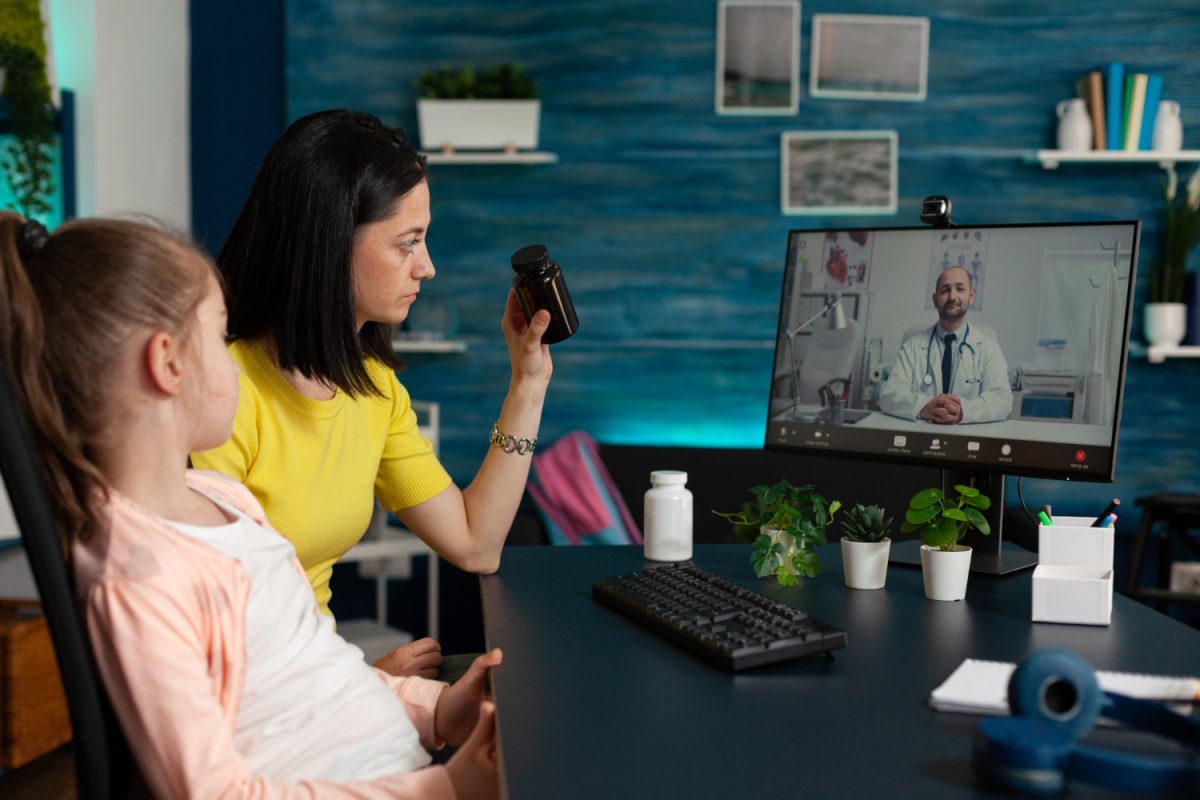
Telemedicine is reshaping healthcare delivery across every setting. However, long-term care (LTC) facilities face a unique set of challenges that demand a more tailored approach. Dr. Brian Carpenter, Chief Medical Officer at Sound Physicians, shares his frontline perspective on what it takes to make virtual care truly work for older adults. His insights offer lessons that extend well beyond LTC—applicable to any provider building or scaling a telehealth program.
Why Telemedicine Must Fit Long-Term Care
A Vulnerable Population Requires a Purposeful Design
Standard telehealth platforms often fall short in LTC environments. Seniors in these settings have widely varying levels of digital comfort. Some residents engage easily with video tools, while others have little or no experience with mobile devices or video platforms. This variability, says Dr. Carpenter, makes serving LTC residents less predictable than working with younger patient groups, who generally share a stronger familiarity with digital tools.
Therefore, telehealth programs for seniors must be intuitive, flexible, and backed by clear step-by-step guidance. Complexity is the enemy of adoption. Platforms that overwhelm users reduce clinical impact and erode trust. Consequently, designing for a practical digital baseline—not the average or ideal user—ensures broader and more consistent participation.
Designing for Digital Diversity Among Seniors
Simplicity Drives Engagement and Clinical Impact
Platforms serving LTC residents must meet users where they are. When systems are overly complex, residents disengage. Staff become frustrated. Clinical outcomes suffer. In contrast, simple and accessible design leads to smoother interactions and stronger health outcomes.
Beyond the interface, the physical setup matters too. Many residents have mobility limitations, vision challenges, or hearing difficulties. These factors should directly influence hardware choices, font sizes, audio settings, and session pacing. Thoughtful design at every level helps create an equitable telehealth experience.
The Critical Role of Frontline Nursing Staff
Technology Must Work With Existing Workflows
In LTC settings, nurses typically initiate and guide telehealth visits. This means the technology must align with how nursing teams already work—not disrupt their routines. Seamless integration with electronic health record (EHR) systems, for instance, eliminates redundant data entry and reduces friction during each visit.
Moreover, nurses are not just logistical coordinators—they are clinical partners. When telehealth tools support rather than burden frontline staff, adoption rates rise and patient care improves. Dr. Carpenter emphasizes that the facility team is central to every successful virtual visit. Without their buy-in, even the best platform will underperform.
Key Challenges in Scaling Telehealth Across LTC Facilities
Stakeholder Alignment Is Non-Negotiable
One of the most persistent challenges in scaling telehealth across LTC networks is achieving alignment among stakeholders. Executive leadership may quickly recognize the strategic value of after-hours coverage or remote clinical support. However, the real test lies in engaging frontline nursing staff and facility-based providers.
Without early, consistent communication about the program’s purpose and benefits, adoption lags. Physicians and advanced practice providers must also understand a key point: telehealth is not a replacement for their role. Instead, it is a complement—designed to reduce their burden and enhance resident management.
Competing Operational Priorities Create Friction
Many LTC facilities operate under tight staffing conditions. They simultaneously manage EHR transitions, infrastructure upgrades, and compliance requirements. Introducing a new telehealth initiative into this environment requires careful planning and phased implementation. Rushing the rollout without accounting for these competing demands often results in poor uptake and staff resistance.
Bridging the Rural Broadband Gap
Connectivity Gaps Still Limit Telehealth’s Reach
Broadband access has improved nationally in recent years. Nevertheless, meaningful gaps remain—particularly in rural communities. In areas where high-speed internet is unavailable, telephone-based encounters can serve as an interim solution. However, phone calls do not fully replicate the clinical value of a comprehensive video evaluation.
Rural LTC facilities must advocate for infrastructure investment while building hybrid protocols that allow telephone consultations to bridge gaps in connectivity. Planning for these limitations in advance prevents service disruptions when technology falls short.
Using Data to Reduce Avoidable Hospitalizations
Early Intervention Changes Patient Outcomes
For telehealth to reduce avoidable hospital transfers, providers must engage early—before a resident deteriorates to the point of transfer. This requires a proactive rather than reactive mindset. Tracking patterns such as missed consultation opportunities or post-discharge stabilization visits helps teams identify gaps and drive process improvements.
Additionally, data-driven collaboration between telehealth teams and facility staff creates a feedback loop that continuously strengthens care delivery. When outcome data is paired with actionable steps, providers can reduce unnecessary admissions and readmissions over time.
Partnering Closely With Facilities Accelerates Impact
Shared data is most powerful when both sides act on it together. Telehealth programs that work in close partnership with facility leadership—reviewing trends, addressing root causes, and adjusting protocols—generate measurable improvements in resident outcomes. This partnership model is the foundation of sustainable, scalable telehealth in LTC.
What Every Provider Can Apply Today
Universal Lessons From the LTC Experience
Long-term care is one of the most demanding environments in which to operate a telehealth program. As a result, the lessons learned here apply across virtually every care setting. Specifically, providers in any specialty or facility type should consider the following:
- Design for the least digitally comfortable user in your patient population, not the average.
- Engage frontline staff early and maintain ongoing communication about program goals.
- Integrate with existing workflows to minimize friction and maximize adoption.
- Plan for connectivity limitations, especially in rural or underserved areas.
- Use outcome data proactively to identify missed opportunities and improve care.
- Position telehealth as a complement, not a threat, to existing clinical roles.
These principles—rooted in real-world LTC experience—can help any provider build a telehealth program that delivers consistent, high-quality care.