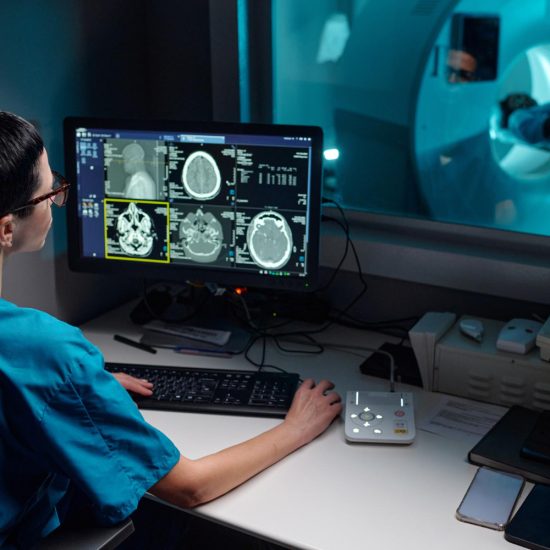
Artificial intelligence continues to reshape healthcare, especially in women’s health diagnostics. Recently, Cleveland Clinic partnered with Aspira Women’s Health to advance AI-powered diagnostic tools for women. The collaboration aims to improve early disease detection, strengthen precision medicine, and expand access to noninvasive testing solutions.
The partnership highlights how healthcare organizations increasingly rely on AI, biomarker discovery, and advanced analytics to solve long-standing diagnostic challenges. Experts believe this initiative could significantly improve outcomes for conditions such as ovarian cancer and endometriosis.
Cleveland Clinic and Aspira Partnership
Cleveland Clinic and Aspira Women’s Health signed a strategic collaboration agreement focused on AI-driven diagnostics in women’s healthcare. The agreement supports research projects involving biomarker discovery, clinical validation, and translational research initiatives.
Additionally, the collaboration creates a framework for future innovation. The organizations plan to work together on intellectual property development, advanced analytical modeling, and scalable clinical research programs. Their combined expertise may accelerate commercialization of next-generation diagnostic solutions.
Shared Goals of the Collaboration
The partnership focuses on several major objectives:
- Improving diagnostic accuracy through AI analytics
- Expanding patient sample access for research
- Accelerating biomarker discovery
- Developing noninvasive diagnostic tools
- Enhancing clinical decision-making
- Supporting precision medicine initiatives
Because women’s diseases often go undetected for years, healthcare providers seek faster and more accurate screening technologies. AI-based diagnostic platforms may help close these gaps.
How AI is Transforming Women’s Health
Artificial intelligence now plays a larger role in healthcare operations, diagnostics, and clinical research. Hospitals increasingly adopt AI tools to improve workflow efficiency and patient outcomes. In women’s health, AI helps analyze complex biological data more quickly and accurately than traditional methods.
AI and Multiomic Diagnostics
Aspira’s platform combines multiple forms of biological information, including:
- Protein biomarkers
- MicroRNA data
- Patient clinical history
- AI-driven computational models
This “multiomic” approach helps physicians identify disease patterns earlier. As a result, clinicians may diagnose conditions with greater precision and fewer invasive procedures.
Furthermore, researchers believe AI can improve sensitivity and specificity in ovarian cancer detection. Earlier diagnosis often leads to better treatment outcomes and lower healthcare costs.
Focus on Ovarian Cancer Diagnostics
Ovarian cancer remains one of the most difficult cancers to diagnose early. Symptoms are often vague and appear only in later stages. Consequently, many women receive diagnoses after the disease has already progressed.
Current Diagnostic Tools
Aspira Women’s Health currently offers diagnostic products under the OvaSuite portfolio, including:
OvaWatch
A blood-based test designed to assess ovarian cancer risk when an adnexal mass appears likely benign or indeterminate.
Ova1Plus
A diagnostic assessment tool that evaluates ovarian malignancy risk before surgery.
These tools aim to reduce unnecessary procedures while improving cancer detection accuracy. According to company data, OvaWatch delivers a high negative predictive value, helping clinicians make more informed decisions.
Multiomic Technology and Precision Medicine
The partnership reflects the growing importance of precision medicine in healthcare. Precision medicine uses genetic, molecular, and clinical data to tailor treatments and diagnostics for individual patients.
By integrating AI with multiomic biomarker analysis, researchers can identify subtle disease indicators that traditional testing methods may overlook. Therefore, physicians may eventually diagnose conditions earlier and personalize treatment plans more effectively.
Advantages of AI-Powered Precision Diagnostics
Faster Data Analysis
AI systems process large volumes of patient data rapidly.
Improved Clinical Accuracy
Machine learning models identify hidden disease patterns.
Better Patient Outcomes
Earlier detection can improve survival rates and treatment success.
Reduced Invasive Testing
Noninvasive blood tests may replace certain surgical procedures.
This approach aligns with broader healthcare trends focused on preventive care and personalized treatment strategies.
Benefits for Patients and Providers
The collaboration may create meaningful advantages for healthcare systems, clinicians, and patients alike.
For Patients
- Earlier disease detection
- Fewer unnecessary surgeries
- More accurate diagnoses
- Improved treatment planning
- Better long-term outcomes
For Healthcare Providers
- Enhanced diagnostic confidence
- Stronger research capabilities
- Faster clinical validation processes
- Access to AI-supported insights
Moreover, the partnership could improve healthcare accessibility by enabling scalable testing solutions across larger patient populations.
Future of AI in Women’s Healthcare
Healthcare leaders continue to invest heavily in AI technologies. Many hospitals now use AI for clinical documentation, patient identification, diagnostics, and operational workflows.
As AI systems evolve, women’s healthcare may benefit from:
- Earlier cancer screening
- Faster endometriosis diagnosis
- Personalized treatment recommendations
- Predictive health analytics
- Expanded remote diagnostic capabilities
Industry experts believe collaborations between healthcare providers and AI-focused biotech companies will continue to accelerate innovation.
Conclusion
The collaboration between Cleveland Clinic and Aspira Women’s Health represents a major step forward in AI-powered women’s healthcare diagnostics. By combining advanced analytics, biomarker discovery, and precision medicine, the organizations aim to improve early disease detection and patient care outcomes.
As healthcare increasingly embraces artificial intelligence, partnerships like this could transform how clinicians diagnose and manage complex women’s health conditions. The initiative also demonstrates how AI continues to shape the future of modern medicine through innovation, scalability, and improved clinical accuracy.