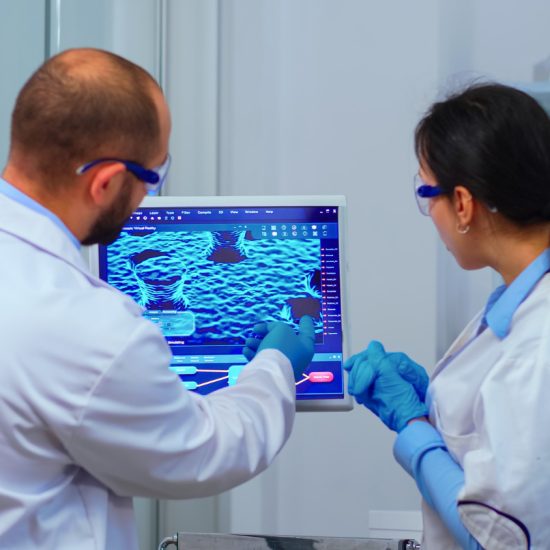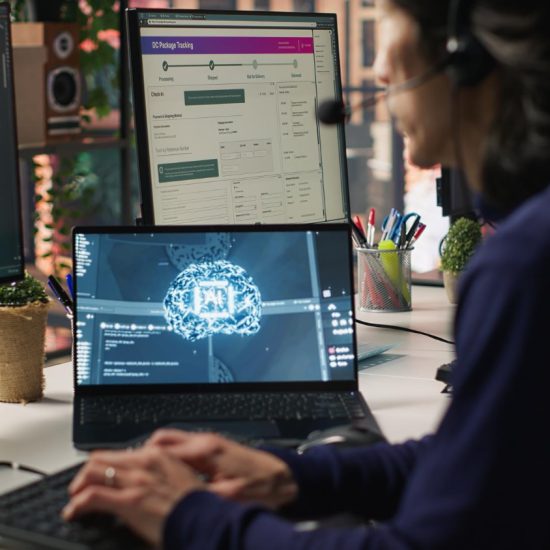
Healthcare organizations are rapidly adopting artificial intelligence to improve operations, reduce clinician burnout, and accelerate innovation. Now, Children’s Nebraska is taking a bold step forward. The pediatric health system wants all clinicians to learn “vibe coding” by 2027, signaling a major shift in how healthcare professionals interact with technology.
This initiative reflects a growing industry trend. Hospitals no longer want clinicians to remain passive users of digital tools. Instead, healthcare leaders want doctors, nurses, and care teams to actively shape software solutions using AI-powered coding platforms.
What Is Vibe Coding?
AI-Powered Software Creation
Vibe coding is a modern approach to software development that uses natural language prompts instead of traditional programming languages. Users describe what they want, and AI systems generate the required code.
The concept became popular after AI experts highlighted how large language models could help people create applications without deep coding knowledge. Today, clinicians can build dashboards, automate workflows, and prototype healthcare tools through simple conversational prompts.
Why Healthcare Is Interested
Healthcare organizations deal with thousands of repetitive administrative tasks every day. Many workflows remain inefficient because clinicians often depend on overburdened IT teams for software changes. Vibe coding offers a faster alternative.
Instead of waiting months for development cycles, clinicians can create lightweight solutions independently. As a result, innovation becomes faster, cheaper, and more practical for frontline healthcare workers.
Children’s Nebraska’s AI Vision
A Goal for 2027
Children’s Nebraska aims to train all clinicians in vibe coding by 2027. The organization believes AI-assisted software creation can improve patient care and operational efficiency.
Ryan Cameron, the organization’s chief information and innovation officer, has emphasized the importance of transitioning from task-based digital systems to intelligent agentic systems. These systems can automate decisions, reduce manual work, and support clinical teams more effectively.
Clinicians Becoming Digital Innovators
Traditionally, healthcare workers identified workflow problems while software engineers built the solutions. However, this process often created delays and communication gaps.
Now, vibe coding enables clinicians to participate directly in software creation. Doctors and nurses can quickly prototype tools that match real-world clinical workflows. Consequently, healthcare systems can build more practical and user-friendly applications.
Why Healthcare Needs Clinician-Led Innovation
Closing the Gap Between Care and Technology
Many healthcare applications fail because developers do not fully understand clinical environments. Clinicians experience these problems firsthand every day. Therefore, they are often best positioned to design useful solutions.
Vibe coding bridges the gap between medical expertise and software development. It empowers healthcare professionals to translate ideas into working tools rapidly.
Reducing Burnout and Administrative Burden
Administrative overload remains one of healthcare’s biggest challenges. Clinicians spend significant time documenting patient data, updating records, and managing communication systems.
AI-driven coding tools can automate many repetitive processes. For example, clinicians may create scheduling assistants, workflow automation tools, or patient communication systems without extensive programming experience.
As a result, healthcare workers can focus more on patient care and less on administrative tasks.
Benefits of Vibe Coding in Hospitals
Faster Innovation Cycles
Hospitals often struggle with slow software development timelines. Vibe coding accelerates experimentation and testing. Clinicians can create prototypes in days instead of months.
Lower Technical Barriers
Healthcare professionals usually lack formal coding education. However, AI-assisted development removes many technical barriers. Natural language interfaces make software creation more accessible for non-engineers.
Better Clinical Workflows
Because clinicians understand patient care processes, the tools they create often align more closely with operational needs. This alignment can improve usability and reduce frustration among care teams.
Encouraging Digital Transformation
Healthcare organizations increasingly view AI literacy as a critical workforce skill. Gartner predicts that 40% of enterprise software could involve vibe coding by 2028.
Therefore, hospitals investing in AI education today may gain long-term competitive advantages.
Risks and Governance Challenges
Security and Compliance Concerns
Although vibe coding offers major opportunities, experts also warn about risks. AI-generated code may contain security vulnerabilities, compliance issues, or hidden errors.
Healthcare organizations must ensure all AI-generated applications comply with patient privacy regulations and cybersecurity standards.
Need for Human Oversight
AI tools cannot replace experienced developers entirely. Most experts agree that human review remains essential before deploying applications in clinical environments.
Therefore, hospitals must establish governance frameworks, testing protocols, and approval processes for clinician-developed tools.
How AI Will Transform Clinical Workflows
Rise of Intelligent Systems
Healthcare is moving beyond static software systems toward adaptive AI-driven platforms. These intelligent systems can assist with diagnosis, workflow optimization, and administrative coordination.
Children’s Nebraska appears to recognize this shift early. By training clinicians in AI-assisted development, the organization is preparing its workforce for the next generation of healthcare technology.
The Future Clinician
Future clinicians may need both medical expertise and digital literacy. Prompt engineering, AI collaboration, and workflow automation could become standard healthcare skills within the next decade.
Consequently, healthcare education may evolve to include AI development training alongside clinical instruction.
Conclusion
Children’s Nebraska’s push for universal clinician vibe coding by 2027 highlights the growing intersection of healthcare and artificial intelligence. The initiative demonstrates how hospitals are rethinking innovation, workflow design, and clinician empowerment.
Although challenges around governance, security, and oversight remain, the potential benefits are significant. AI-assisted coding could help healthcare organizations improve efficiency, accelerate digital transformation, and create better patient-centered tools.
As healthcare continues evolving, clinicians may soon become not only caregivers but also active creators of the digital systems they use every day.