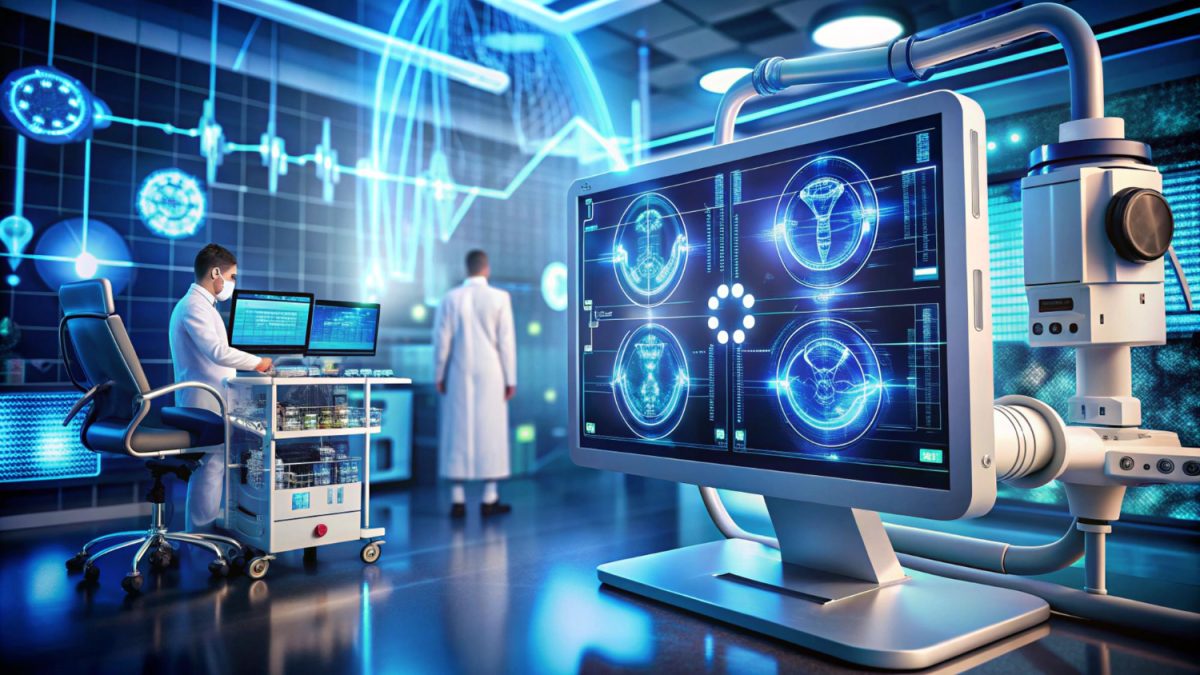
Introduction to GIMS AI-Powered Clinic
The Government Institute of Medical Sciences (GIMS) in Kasna, Noida, has launched Uttar Pradesh’s first artificial intelligence-powered government clinic within a public hospital facility, marking a significant milestone in India’s healthcare modernization efforts. This groundbreaking facility combines cutting-edge AI technology with genetic screening capabilities to detect and treat serious diseases including cancer, cardiovascular conditions, kidney disorders, and liver ailments at critically early stages when treatment effectiveness remains highest.
Dr. Rakesh Gupta, Director at GIMS and Brigadier, explained that the clinic represents a transformative approach to preventive medicine and early disease detection. The facility was inaugurated online by the Additional Director General of Health Services from the Government of India, with over 100 participants from across India and international locations attending the launch event, including clinicians, medical researchers, and healthcare technology experts.
Comprehensive AI Diagnostic Capabilities
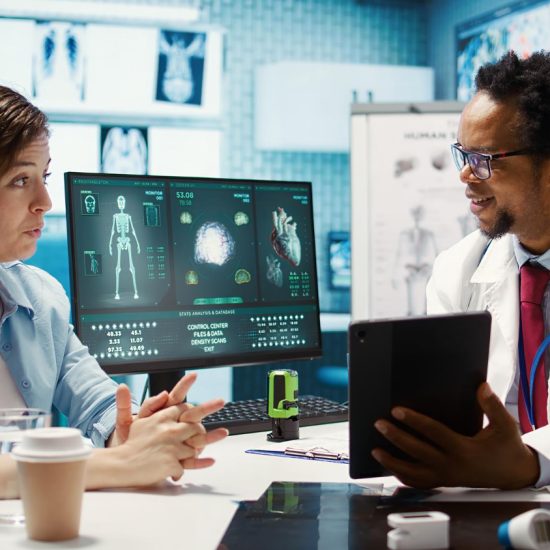
The AI-powered clinic will utilize sophisticated artificial intelligence algorithms along with comprehensive genetic screening to analyze diverse diagnostic inputs, including detailed blood test results, advanced imaging scans, and extensive clinical data collected from patient examinations and medical histories.
Integrated Diagnostic Analysis Platform
This integrated approach enables the clinic to process multiple data streams simultaneously, identifying patterns and correlations that human clinicians might miss when examining individual test results in isolation. By combining laboratory findings with genetic predisposition data and imaging results, the AI system can generate more accurate disease predictions and personalized treatment recommendations.
The facility will analyze blood tests to identify biomarkers indicating early disease processes, carry out comprehensive scans using state-of-the-art imaging equipment, and utilize genetic data to predict disease susceptibility and assess potential recovery trajectories based on individual patient genetic profiles.
Genetic Screening and Disease Prediction
Genetic screening represents a crucial component of the clinic’s predictive medicine approach. By analyzing patients’ genetic information, the AI system can identify inherited disease risks, predict how individuals might respond to specific medications, and recommend preventive measures tailored to unique genetic vulnerabilities.
Personalized Risk Assessment
This personalized approach moves beyond one-size-fits-all healthcare toward precision medicine that accounts for individual genetic differences affecting disease development and treatment outcomes. Patients with family histories of cancer, heart disease, diabetes, or other hereditary conditions can receive targeted screening and preventive interventions before symptoms emerge.
The combination of genetic data with AI-powered analysis enables more accurate long-term health forecasting, allowing doctors to intervene proactively rather than reactively treating diseases after they become symptomatic and potentially more difficult to manage effectively.
Advanced Medical Imaging Analysis
AI tools integrated into the clinic will analyze X-rays, ultrasounds, computed tomography scans, magnetic resonance imaging reports, and laboratory investigations, particularly for critically ill patients requiring urgent diagnostic clarity. These advanced imaging analysis capabilities can detect subtle abnormalities that might escape notice during traditional radiological review.
Enhanced Diagnostic Accuracy
Artificial intelligence excels at identifying patterns within complex medical images, potentially catching early-stage cancers, cardiovascular abnormalities, neurological conditions, and organ damage before they progress to advanced stages requiring more aggressive treatment interventions.
The AI imaging analysis provides second opinions that support radiologists’ interpretations, reducing diagnostic errors and improving confidence in clinical decision-making. This dual-review approach combines human expertise with computational pattern recognition capabilities.
Addressing Rising Health Concerns in Young Patients
GIMS officials observed alarming trends showing significant increases in serious health conditions among younger patients, including cancer diagnoses, cardiovascular diseases, kidney and liver disorders, and high blood pressure cases occurring in age groups traditionally considered low-risk for these conditions.
Early Detection Combats Delayed Diagnosis
In many documented cases, delayed diagnosis made treatment substantially more complicated, reducing survival rates and recovery prospects. The AI clinic directly addresses this critical problem by enabling earlier detection when diseases remain more treatable and patients have better prognosis outcomes.
Younger patients often dismiss early symptoms or delay seeking medical attention, assuming serious diseases only affect older populations. The AI clinic’s comprehensive screening capabilities can identify disease processes during routine checkups before patients recognize concerning symptoms warranting medical evaluation.
AI-Assisted Robotic Surgery Integration
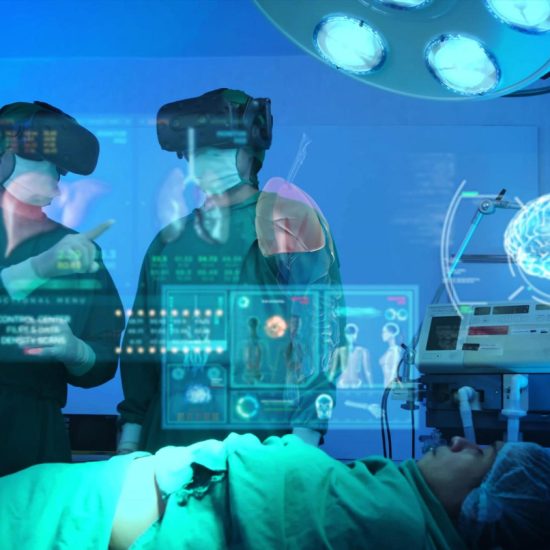
Beyond diagnostic capabilities, the facility will support AI-assisted robotic surgery, representing a comprehensive approach to both disease detection and advanced treatment delivery. According to GIMS doctors, combining robotics with artificial intelligence can dramatically improve surgical precision across multiple medical specialties.
Multi-Specialty Surgical Applications
The AI-enhanced robotic surgery capabilities extend across diverse surgical specialties, including abdominal procedures, orthopedic operations, neurological surgeries, and cardiac interventions. Each specialty benefits from the enhanced precision, stability, and visualization that robotic systems provide when augmented by intelligent software.
AI assists surgeons by analyzing anatomical structures in real-time, suggesting optimal surgical approaches, predicting potential complications based on patient-specific factors, and providing guidance during complex procedures requiring extreme precision.
Improved Surgical Precision Across Specialties
Robotic surgical systems equipped with AI capabilities offer several advantages over traditional surgical techniques. The technology eliminates natural hand tremors, enables access to difficult anatomical locations through smaller incisions, provides magnified three-dimensional visualization of surgical fields, and allows precise instrument manipulation.
Minimally Invasive Procedures
AI-assisted robotic surgery facilitates minimally invasive approaches that reduce tissue damage, minimize blood loss, decrease infection risks, and accelerate healing compared to conventional open surgical techniques. These benefits translate directly into improved patient outcomes and quality of life following surgical interventions.
The AI component analyzes pre-operative imaging, patient medical histories, and real-time surgical data to optimize procedural planning and execution, helping surgeons anticipate challenges and adjust techniques dynamically during operations.
Reducing Hospitalization and Recovery Time
GIMS officials emphasized that AI-assisted surgical capabilities could help substantially reduce hospitalization duration and improve post-surgery recovery outcomes by allowing better planning and more precise execution of complex operations requiring advanced technical skills.
Accelerated Patient Recovery
Shorter hospital stays reduce infection exposure risks, lower healthcare costs for patients and government health systems, and enable faster return to normal activities and productive work. These benefits particularly matter for younger patients whose illnesses interrupt education, career development, and family responsibilities.
Enhanced surgical planning using AI analysis of patient-specific anatomy and pathology allows surgical teams to anticipate complications, prepare appropriate resources, and execute procedures more efficiently with fewer unexpected difficulties requiring extended operative time or additional interventions.
National and International Expert Participation
The AI clinic launch attracted significant attention from medical professionals worldwide, with over 100 participants from across India and international locations attending the online inauguration ceremony. This diverse participation included practicing clinicians, academic medical researchers, and healthcare technology development experts.
Knowledge Sharing and Collaboration
The substantial expert engagement demonstrates recognition that AI-powered diagnostic and treatment capabilities represent the future direction of modern medicine globally. International participation facilitates knowledge sharing, collaborative research opportunities, and potential partnerships that can accelerate AI healthcare adoption throughout India’s public health system.
Future Implications for Indian Healthcare
As Uttar Pradesh’s first AI-powered government clinic within a public hospital, the GIMS facility serves as a potential model for expanding similar capabilities throughout India’s extensive government healthcare network serving millions of citizens who depend on public medical services.
Scaling AI Healthcare Nationally
Successful implementation and validation of outcomes at GIMS could encourage replication across other government medical institutions, democratizing access to advanced diagnostic and treatment technologies previously available primarily through expensive private hospitals serving affluent populations.