Millennials are leading the new wave of anti-aging skincare, not only as consumers but also as changemakers in the discourse surrounding it. The modern approach to anti-aging is no longer about hiding wrinkles or reversing visible signs of aging. Instead, it’s about taking proactive care of your skin from an early age, feeling confident, and breaking down stigmas related to the aging process.
The anti-aging products market has undergone a dramatic transformation in recent years. It’s no longer dominated solely by older generations seeking corrective solutions. Today, Millennials—those born between 1981 and 1996—have emerged as the primary buyers of skincare products and treatments focused on preventing and combating the signs of aging. This shift is revealed by the most recent data and statistics from a comprehensive Statista report that analyzed consumer purchasing habits in the United States, one of the world’s leading skincare markets.
Which Generation Buys the Most Anti-Aging Products?
According to the groundbreaking study, more than 40% of consumers who purchase anti-aging products in the United States belong to the Millennial generation. This significant percentage far surpasses Generation X, which accounts for 32% of the market, and Generation Z, which represents 21% of anti-aging product consumers. Perhaps most surprisingly, Baby Boomers—the generation traditionally associated with this product category—account for just 6% of the current market share.
This striking trend confirms that anti-aging skincare is no longer an issue exclusive to older adults approaching retirement. Today, taking preventive care of the skin has become a priority for consumers starting as early as age 25, fundamentally reshaping how the beauty industry approaches product development and marketing strategies.
What Motivates Millennials to Invest in Skincare?
Understanding consumer motivation is crucial for brands looking to capture this valuable market segment. The data shows that the main motivations for consumers to use facial skincare products include:
⇒ Hydration (75%)
⇒ Aging prevention (63%)
⇒ Improved skin texture (44%)
This holistic approach reflects a broader vision of wellness and self-care, where skincare is no longer just about aesthetic enhancement. For Millennials, skincare represents an integral part of a healthy lifestyle that encompasses mental health, physical wellness, and personal confidence.
The Digital Influence on Millennial Skincare Habits
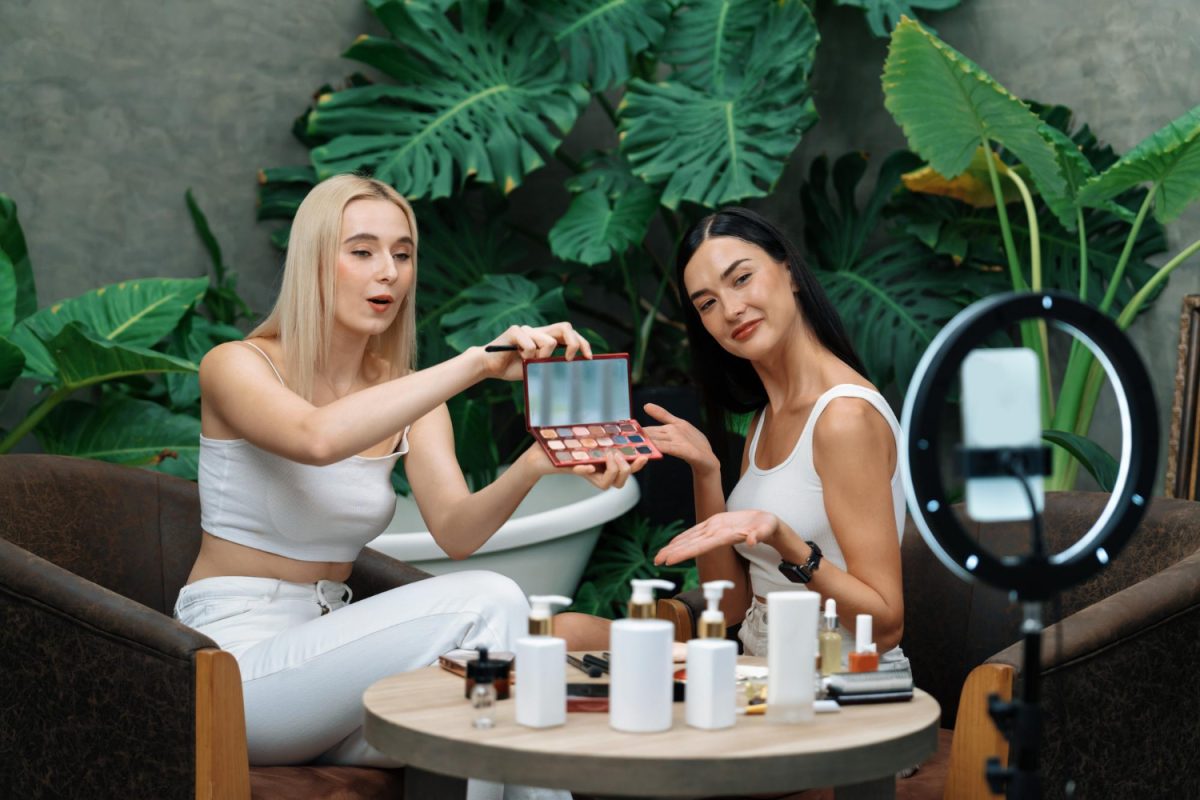
Millennials, in particular, have grown up in a digital environment saturated with images, tutorials, and aesthetic influences from around the globe. Social media platforms, photo filters, the pervasive cult of youth, and the rise of conscious self-care movements have driven this demographic group toward more proactive and educated skincare practices.
Instagram, TikTok, and YouTube have become primary sources of skincare education, with influencers and dermatologists sharing ingredient breakdowns, routine recommendations, and product reviews that shape purchasing decisions.
What Percentage of Millennials Have Recently Purchased Anti-Aging Products?
One of the most revealing statistics from the comprehensive Statista report indicates that 15% of Millennials surveyed said they had purchased an anti-aging product within the past four weeks. This represents the highest percentage among all generations studied, demonstrating not just interest but consistent purchasing behavior.
This impressive figure highlights not only the overall interest in anti-aging solutions but also the purchase frequency among Millennials, positioning this demographic group as a recurring and loyal consumer base within the anti-aging segment. Unlike previous generations who might purchase such products sporadically, Millennials integrate anti-aging skincare into their regular shopping habits.
How Does This Translate Into Opportunities for Brands?
The rise of Millennials as the core anti-aging target audience has created direct and transformative implications for the skincare market:
Earlier Age Segmentation
Marketing campaigns are no longer focused solely on women over 50 seeking corrective treatments. Brands now target both men and women aged 25 to 40 with prevention-focused messaging that emphasizes maintaining youthful skin rather than reversing damage.
Focus on Prevention Over Correction
Forward-thinking brands are developing innovative products aimed at early expression lines and preventive care, featuring scientifically-backed ingredients such as hyaluronic acid for hydration, gentle retinol formulations for cell turnover, and broad-spectrum sunscreens with anti-aging benefits that protect against UV damage.
Emphasis on Clean and Transparent Ingredients
This generation actively seeks vegan formulations, cruelty-free products, and skincare free from parabens, sulfates, and artificial fragrances. Transparency in ingredient sourcing and manufacturing processes has become a critical factor in purchase decisions.
Digital-First Shopping Experience
Most Millennials research and purchase skincare products through social media advertisements, e-commerce platforms, subscription services, or influencer reviews rather than traditional retail channels. Brands must maintain strong digital presence and authentic online engagement to capture this market.
What Role Do Data and Statistics Play in This Trend?
Accessible consumer data reveals that the Millennial generation is fundamentally redefining the paradigms of aging and beauty standards. What was once primarily a corrective market focused on mature consumers is now a market centered on prevention, education, transparency, and emotional well-being.
This transformation is accompanied by greater utilization of statistics, scientific research, and accessible information. Modern consumers extensively research active ingredients, compare skincare routines, analyze product reviews, and compare prices across multiple platforms before making informed purchasing decisions.
The Rise of Non-Invasive Anti-Aging Solutions
Additionally, demand has significantly grown for products that promise visible yet gentle results without surgical interventions or invasive procedures. This consumer preference has boosted categories such as non-invasive anti-aging treatments, at-home devices, and professional-grade skincare formulations available for consumer use.
The Millennial-driven anti-aging revolution represents more than just a market shift—it signals a cultural transformation in how we approach aging, self-care, and personal wellness across generations.